Poet Simon Armitage explores the art of persuasion in powerful speeches.
Well-honed rhetorical devices should appeal not just to the listener's head but also the heart and 'guts'.
Great speeches have the power to rally a nation, fight for justice and even change the course of history.
This short film includes an extract from Olivier's Henry V, Martin Luther King's 'I Have a Dream,' a rousing address from a Suffragette and a speech from Boris Johnson.
Simon stresses the importance of structuring your argument clearly. He's given expert advice on how to build up to the 'Big Idea' using finer details and concrete action like steps on a ladder. The expert distinguishes between merely presenting ideas to motivating an audience to act. Comic clips from silent movies support advice on structuring your argument to persuade.
Using extracts from Churchill's wartime speeches, Simon stresses the importance of emotive words, powerful imagery and good delivery.
This clip is from the BBC series, Speeches that Shook the World, first broadcast in 2013.
Please note, this clip contains some scenes of the Blitz which some younger viewers may find upsetting. Teacher review recommended prior to use in class.
Teacher Notes
This could be used to help students make their own speeches more persuasive by structuring their arguments clearly.
This could be a starting point to reinforce the need for a strong opening, "meaty middle" and powerful ending.
This could be extended by watching and / or reading the transcript of one of the famous speeches highlighted.
Curriculum Notes
This short film is suitable for teaching KS3 English in England, Wales and Northern Ireland and third level in Scotland.

More videos on making great speeches:
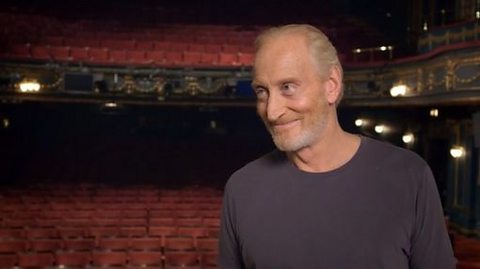
Make your audience listen. video
Simon is given expert advice from actor Charles Dance OBE on how to deliver a speech.
Great speeches - the art of persuasion. video
Simon Armitage explores key features of persuasive speeches using examples from the last hundred years.
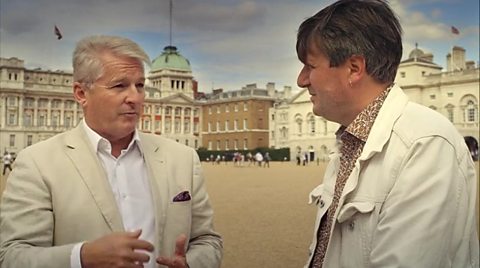
Key elements of making a great speech. video
Simon Armitage looks at the importance of engaging with your audience when delivering a speech.