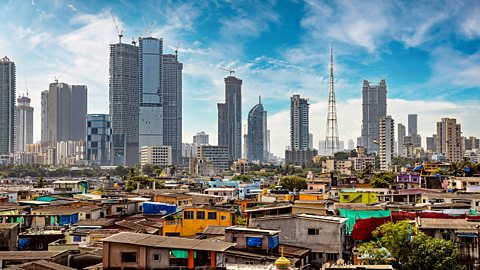
Overview of Planet Planners on Roblox
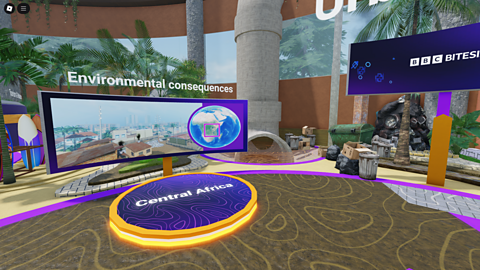
Planet Planners on Roblox is an engaging way for students to learn about some of the world's most pressing challenges – from preparing for natural disasters to managing large cities.
A decision-making exercise game with geographical thinking at its core, it also builds key skills such as teamwork, time management, resilience, problem-solving and decision-making.
It is accessed via Roblox – an immersive platform for 3D experiences. To learn more about Roblox and how it can be used in education, visit Get started with Roblox Education.
For more detailed information about the game, visit How to teach using Planet Planners on Roblox.
Scenario description
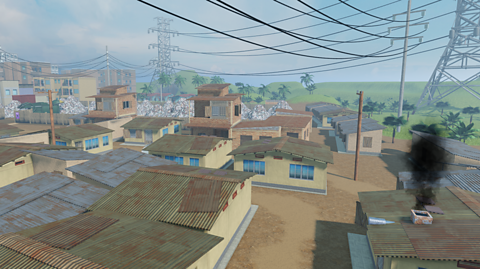
In this scenario, players take on the role of decision makers responding to the growing impacts of rapid urbanisation, particularly its impact on air quality and waste.
They must investigate sources of pollution, make decisions about future infrastructure projects and allocate resources to improve public health and the urban environment.
Players must think critically about cost, fairness and inequalities, long-term outcomes and competing priorities in a fast-growing city.
Approximate location: Central Africa
Teacher notes
Download/print the teacher notes for this scenario (PDF).
Teacher notes prepared in partnership with the Geographical Association.
Learning objectives
- To identify the causes and effects of urbanisation in low-income countries (LICs).
- To identify social, economic and environmental challenges in LIC cities.
- To make decisions about how to manage the growth of cities and how to improve conditions for those living in informal settlements in LICs.
Key decisions
- How can we reduce domestic air pollution?
- What are the best ways to manage sanitation in informal settlements?
- How can we prevent waste build-up and promote recycling?
- Should we take on imported waste for profit?
- How should we prepare for and respond to a disease outbreak?
- Should we address car pollution by punishing the worst offenders or offering greener alternatives?
Key geographical terminology
Urbanisation: When somewhere becomes more urban. This means a greater percentage of people live in cities rather than the countryside.
Informal settlements: Unplanned housing constructed on the edge of cities in LICs.
Recycling centres: Places where people can take rubbish to be recycled.
Sanitation: Access to clean water and sewage disposal.
Think, work and apply like a geographer
Encourage students to explore the links between gameplay and real-world job roles, such as:
- urban planner
- public health official
- environmental engineer
- epidemiologist
- waste management officer
Questions to explore
- How does poor air quality affect human health and the urban environment?
- What are the advantages and disadvantages of short-term fixes vs long-term infrastructure solutions?
- How do we decide what’s fair when resources are limited?
- How are disease outbreaks linked to sanitation, pollution and urban crowding?
- What responsibilities do governments have to protect vulnerable populations from environmental hazards?
Emotional and ethical considerations
Ethical decision-making: How do we ensure that decisions made about clean air, sanitation and healthcare are fair? Can short-term decisions unintentionally worsen long-term problems? Who bears the burden of pollution and who benefits from decisions made about it?
Resources
Teacher notes
Download/print a copy of the teacher notes for this scenario (PDF).

Student worksheet
Download/print a copy of the student worksheet (PDF).
Explore more
Support classroom learning with BBC Bitesize resources.
Note: Some video content may only be available in the UK.
Rapid urbanisation
Watch this film to increase understanding of rapid urbanisation and its effect.
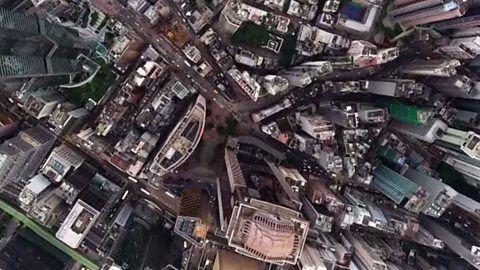
Urbanisation in India
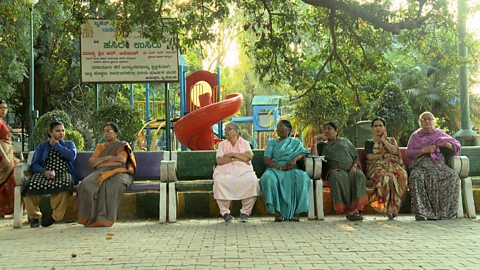
Dua, and Amalia learn about the impact of migration to the Indian city of Bangalore (Bengaluru) and its rapid urbanisation.
Where are the largest cities? video
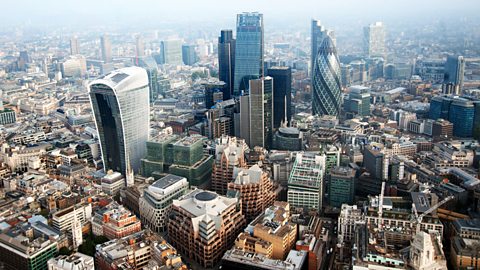
Which cities are the world's largest and where are they located? Play this 60-second animation to find out.
Africa - Johannesburg and urbanisation
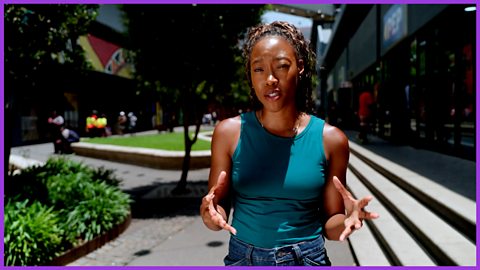
Exploring some of the causes and consequences of urbanisation in African countries.
Urban patterns in LICs and MICs
Revise this guide on urban patterns to expand Geography knowledge.

Urban processes in LICs and MICs
Learn about how cities are changing.