Overview of Planet Planners on Roblox
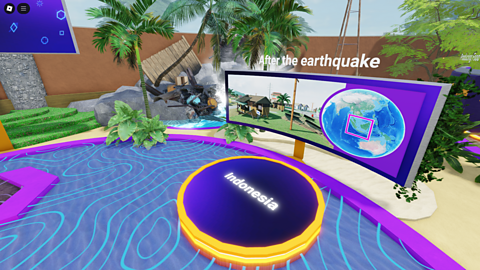
Planet Planners on Roblox is an engaging way for students to learn about some of the world's most pressing challenges – from preparing for natural disasters to managing large cities.
A decision-making exercise game with geographical thinking at its core, it also builds key skills such as teamwork, time management, resilience, problem-solving and decision-making.
It is accessed via Roblox – an immersive platform for 3D experiences. To learn more about Roblox and how it can be used in education, visit Get started with Roblox Education.
For more detailed information about the game, visit How to teach using Planet Planners on Roblox.
Scenario description
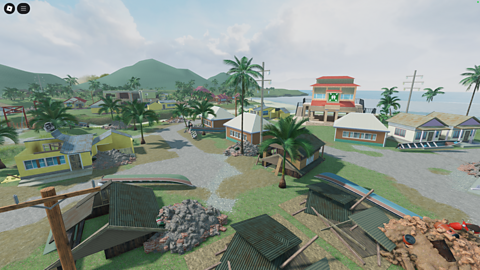
In this scenario, players take on the role of decision-makers responding to the threat of earthquakes (and the tsunamis they may generate).
They must analyse data, make decisions and allocate resources to prepare for - and respond to - these natural hazards.
Players must think critically about which preparation techniques to invest in and which types of economic activity and services to prioritise for recovery.
Approximate location: Indonesia
Teacher notes
Download/print the Teacher notes for this scenario (PDF).
Teacher notes prepared in partnership with the Geographical Association.
Learning objectives
- To identify the impacts of earthquakes/tsunamis.
- To make decisions about how to recover from earthquakes/tsunamis.
- To prioritise responses to earthquakes/tsunamis, whilst balancing the needs of people, the economy and the environment.
Key decisions
- How should we prepare for tectonic hazards like earthquakes and tsunamis?
- How should we respond to an earthquake?
- How should we respond to a tsunami?
- After an earthquake/tsunami which types of economic activity should be prioritised for recovery?
- Which services should be prioritised for recovery after an earthquake/tsunami?
Key geographical terminology
Earthquake: The shaking and vibration of a section of the Earth's crust due to the movement of the Earth's plates (plate tectonics).
Natural hazard: A naturally occurring event that causes harm to people and property.
Tsunami: Large ocean waves caused by earthquakes beneath the sea bed.
Buoy: A floating device anchored to the seabed.
Think, work and apply like a geographer
Encourage students to explore the links between gameplay and real-world job roles, such as:
- seismologist
- geologist
- civil engineer (disaster preparedness)
- public information officer
- healthcare worker
- emergency response worker
Questions to explore
- How can we prepare for earthquakes and tsunamis?
- How can we respond to earthquakes and tsunamis?
- How can technology help us to prepare for and respond to natural hazards?
- What are services and why are they critical to disaster recovery?
- What do emergency services do immediately after an earthquake or tsunami?
- Who makes decisions about how to prepare for and respond to earthquakes, tsunamis and other natural disasters?
- What should be included in an emergency kit for a natural disaster?
Emotional and ethical considerations
Fear and uncertainty: The threat of an earthquake or tsunami may cause anxiety. Survivors of an event may also suffer from additional stress.
Ethical decision-making: How do we ensure that decisions made during and after a disaster are fair to all members of the community? Should vulnerable populations (e.g. children, the elderly or people with disabilities) be given special consideration in planning?
Resources
Teacher notes
Download/print a copy of the teacher notes for this scenario (PDF).

Student worksheet
Download/print a copy of the student worksheet (PDF).
Explore more
Support classroom learning with BBC Bitesize resources.
Note: Some video content may only be available in the UK.
Plate tectonics: Earthquakes
Investigating the causes and consequences of earthquakes, with case studies from Haiti and New Zealand.
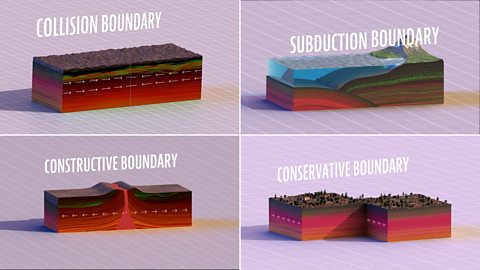
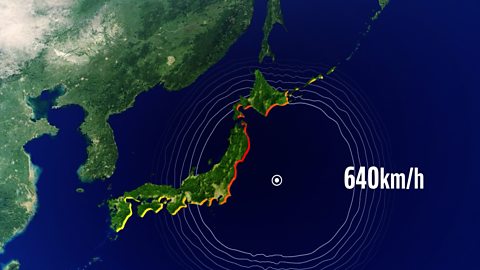
Plate tectonics: Tsunamis
Investigating the causes and consequences of tsunamis, with case studies from Japan and Indonesia.
Tectonic hazards - earthquakes and tsunamis
Learn what earthquakes and tsunamis are, responses to them and how to reduce risk in this guide for students aged 11 to 14 from BBC Bitesize.
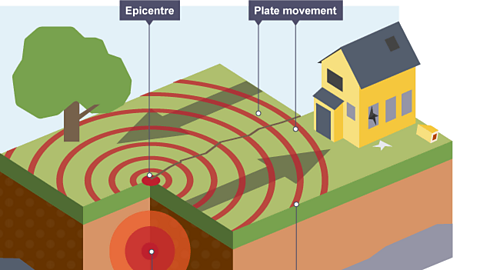
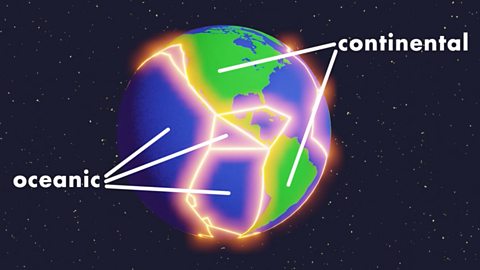
Plate tectonics animated film
A short animated film for secondary schools detailing tectonic plates, their movement and boundaries, and what this means for Earth.
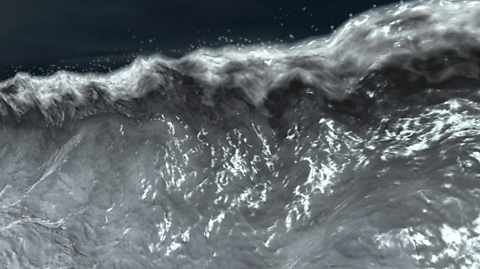
What is a tsunami and why do they happen?
So what causes a tsunami? Watch this video to find out more.
Fierce Earth Extreme: Tsunami
Join Leo as he learns how to survive a Tsunami by climbing a palm tree.