Opening King Tut's tomb
King Tutankhamun has captivated the world since his tomb was discovered in 1922.
Unearthed by British archaeologist Howard Carter, it was the first time a pharaoh's burial chamber had been found intact. Today millions have viewed Tutankhamun's treasures but questions remain over how the teenage king died. Now with the aid of forensic techniques we may be closer than ever to understanding this ancient mystery.
What finished off the pharaoh?
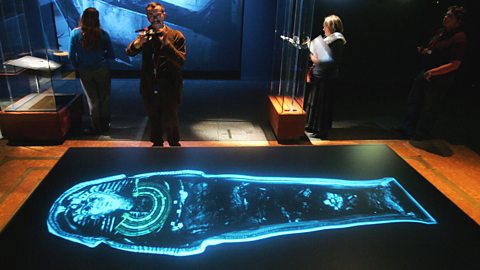
King Tut’s skeleton has been dismantled and stuck back together, photographed and x-rayed, had CT scans and DNA tests. But do we now know how he died? Click on the theories and decide for yourself.
Life after death: Tutmania
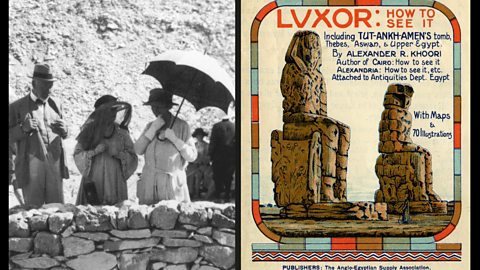
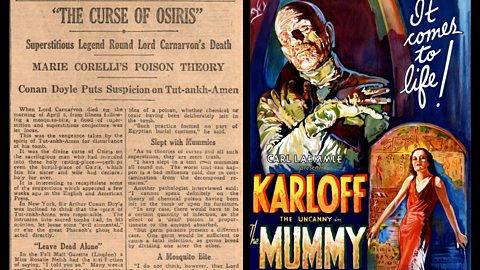
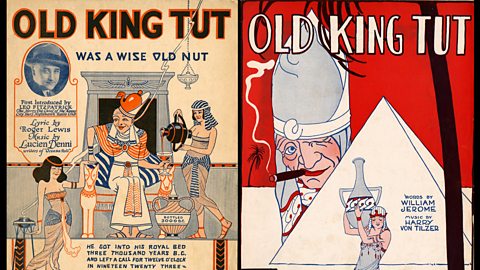
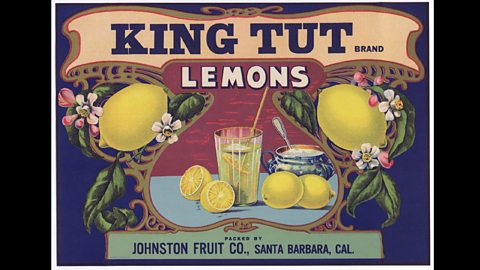
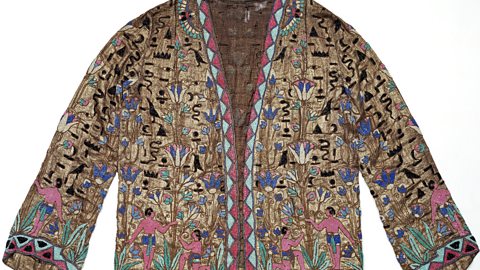
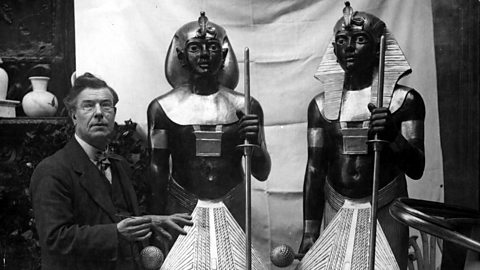
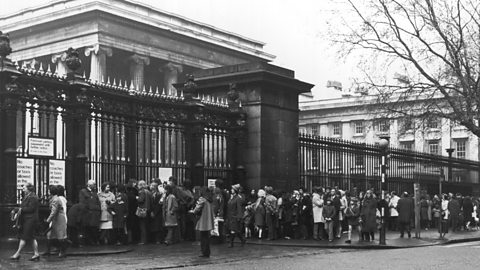
King Tutankhamun was a minor pharaoh who reigned for nine years more than 3,000 years ago. Yet today he is one of the best known kings of Ancient Egypt. Browse the images below o see how his legend has grown.
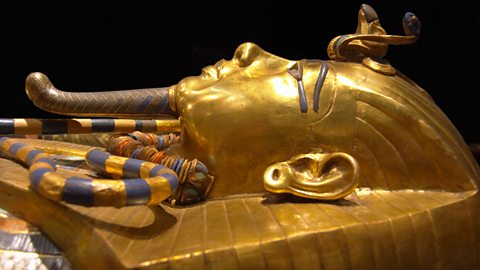
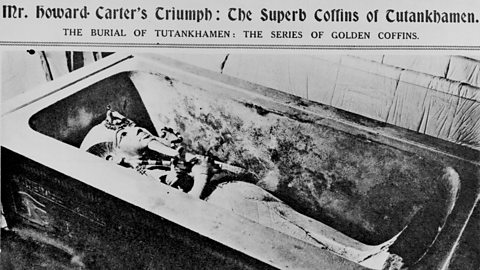
Image caption, In November 1922 Howard Carter opened Tutankhamun's tomb. It was the first pharaoh's tomb to be found that was almost intact. It contained 5,398 artefacts including two thrones, six chariots, a solid gold death mask and coffin holding his mummy.
1 of 10
Learn more about World War Two and the Holocaust
Introducing Ancient Egypt. video
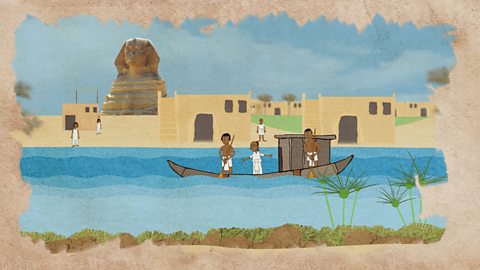
A short animation about Ancient Egyptian life some 5000 years ago.
How do you get to Viking Valhalla? document
Viking Valhalla was a hall in Asgard where the god Odin welcomed warriors after they were slain in battle.
Would you visit 'Celtic Britain'? document
Step back in time and discover what life in Iron Age Britain was really like.