Planet Planners on Roblox has been specifically designed to align to the Northern Ireland curriculum for years 8 to 10.
Select show more to discover how the game delivers learning objectives and supports cross-curricular development.
Tectonic hazards
Volcanic preparation
Approximate location: Iceland
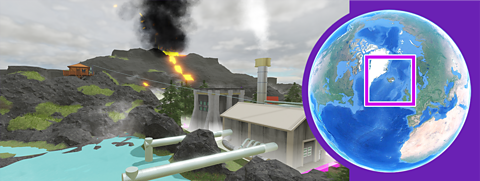
Learning objectives
- to identify the impacts of volcanic eruptions
- to make decisions about how to monitor, prepare for, and respond to volcanic eruptions
- to examine the social, economic, and environmental consequences of living close to volcanoes, including the potential benefits
Northern Ireland curriculum focus: Environment and Society
Knowledge, understanding and skills:
Young people should have opportunities to:
- develop geographical skills to interpret spatial patterns including atlas and map-work skills
- develop enquiry and fieldwork skills: questioning, planning, collecting, recording, presenting, analysing, interpreting information and drawing conclusions relating to a range of primary and secondary sources
- develop critical and creative thinking skills to solve geographical problems and make informed decisions
Young people should develop an understanding of:
- physical processes of landscape development
- the interrelationships between physical and human environments
- the dynamic nature of physical and human environments
- the need for social, economic and environmental change to be sustainable
Objectives:
Young people should have opportunities to:
- develop an understanding of how people in different places interact with their environment
- investigate how the skills developed through geography will be useful to a range of careers
- investigate how physical processes operate to create distinct and diverse environments
- investigate the impact of conflict between social, economic and environmental needs both locally and globally
Learning outcomes:
Young people should be able to:
- demonstrate skills in using maps (and GIS), fieldwork equipment and methods of data collection in undertaking geographical enquiry
- research and manage information effectively to investigate geographical issues, using Mathematics and ICT where appropriate
- show deeper geographical understanding by thinking critically and flexibly, solving problems and making informed decisions, using Mathematics and ICT where appropriate
- work effectively with others
- demonstrate self-management by working systematically, persisting with tasks, evaluating and improving own performance
Cross-curricular links (Northern Ireland curriculum)
Using Mathematics:
- use mathematics to solve problems and make decisions
- develop financial capability
- use ICT to solve problems and/or present their work
Mathematics and Numeracy:
- knowledge and understanding of personal finance issues and skills to enable competent and responsible financial decision making
- the application of mathematical skills to real life and work situations
Using ICT:
- researching information, as well as using digital tools to investigate and solve problems
Thinking skills and personal capability
- managing Information
- thinking, problem-solving and decision-making
- working with others
- self-management
For detailed Teacher notes
After the earthquake
Approximate location: Indonesia
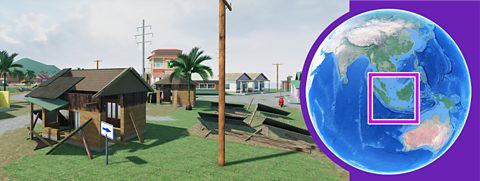
Learning objectives
- to identify the impacts of earthquakes/tsunamis
- to make decisions about how to recover from earthquakes/tsunamis
- to prioritise responses to earthquakes/tsunamis, whilst balancing the needs of people, the economy and the environment
Northern Ireland curriculum focus: Environment and Society
Knowledge, understanding and skills:
Young people should have opportunities to:
- develop geographical skills to interpret spatial patterns including atlas and map-work skills
- develop enquiry and fieldwork skills: questioning, planning, collecting, recording, presenting, analysing, interpreting information and drawing conclusions relating to a range of primary and secondary sources
- develop critical and creative thinking skills to solve geographical problems and make informed decisions
Young people should develop an understanding of:
- physical processes of landscape development
- the interrelationships between physical and human environments
- the dynamic nature of physical and human environments
- the need for social, economic and environmental change to be sustainable
Objectives:
Young people should have opportunities to:
- develop an understanding of how people in different places interact with their environment
- investigate how the skills developed through geography will be useful to a range of careers
- investigate how physical processes operate to create distinct and diverse environments
- investigate the impact of conflict between social, economic and environmental needs both locally and globally
Learning outcomes:
Young people should be able to:
- demonstrate skills in using maps (and GIS), fieldwork equipment and methods of data collection in undertaking geographical enquiry
- research and manage information effectively to investigate geographical issues, using Mathematics and ICT where appropriate
- show deeper geographical understanding by thinking critically and flexibly, solving problems and making informed decisions, using Mathematics and ICT where appropriate
- work effectively with others
- demonstrate self-management by working systematically, persisting with tasks, evaluating and improving own performance
Cross-curricular links (Northern Ireland curriculum)
Using Mathematics:
- use mathematics to solve problems and make decisions
- develop financial capability
- use ICT to solve problems and/or present their work
Mathematics and Numeracy:
- knowledge and understanding of personal finance issues and skills to enable competent and responsible financial decision making
- the application of mathematical skills to real life and work situations
Using ICT:
- researching information, as well as using digital tools to investigate and solve problems
Thinking skills and personal capability
- managing Information
- thinking, problem-solving and decision-making
- working with others
- self-management
For detailed Teacher notes
Coasts
Erosion
Approximate location: United Kingdom
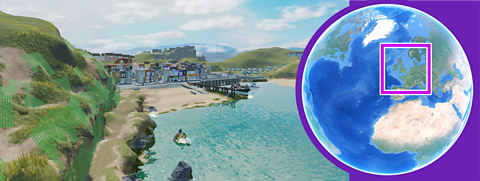
Learning objectives
- to identify physical processes along coastlines, such as erosion and longshore drift
- to make decisions about how to manage coastlines, including the use of hard and soft engineering strategies
- to examine the social, economic, and environmental impacts of decisions made along coastlines
Northern Ireland curriculum focus: Environment and Society
Knowledge, understanding and skills:
Young people should have opportunities to:
- develop geographical skills to interpret spatial patterns including atlas and map-work skills
- develop enquiry and fieldwork skills: questioning, planning, collecting, recording, presenting, analysing, interpreting information and drawing conclusions relating to a range of primary and secondary sources
- develop critical and creative thinking skills to solve geographical problems and make informed decisions
Young people should develop an understanding of:
- physical processes of landscape development
- the interrelationships between physical and human environments
- the dynamic nature of physical and human environments
- the need for social, economic and environmental change to be sustainable
Objectives:
Young people should have opportunities to:
- develop an understanding of how people in different places interact with their environment
- investigate how the skills developed through geography will be useful to a range of careers
- investigate how physical processes operate to create distinct and diverse environments
- investigate the impact of conflict between social, economic and environmental needs both locally and globally
Learning outcomes:
Young people should be able to:
- demonstrate skills in using maps (and GIS), fieldwork equipment and methods of data collection in undertaking geographical enquiry
- research and manage information effectively to investigate geographical issues, using Mathematics and ICT where appropriate
- show deeper geographical understanding by thinking critically and flexibly, solving problems and making informed decisions, using Mathematics and ICT where appropriate
- work effectively with others
- demonstrate self-management by working systematically, persisting with tasks, evaluating and improving own performance
Cross-curricular links (Northern Ireland curriculum)
*Using Mathematics: *
- use mathematics to solve problems and make decisions
- develop financial capability
- use ICT to solve problems and/or present their work
Mathematics and Numeracy:
- knowledge and understanding of personal finance issues; and skills to enable competent and responsible financial decision making
- the application of mathematical skills to real life and work situations
Using ICT:
- researching information, as well as using digital tools to investigate and solve problems
Science and Technology:
- investigate the effects of pollution, for example, water, air, land, sound etc and specific measures to improve and protect the environment
- explore the importance of biodiversity, how it impacts on our lives and how it is affected by human activity
- investigate what can be done to conserve and promote biodiversity
Thinking skills and personal capability:
- managing Information
- thinking, problem-solving and decision-making
- working with others
- self-management
For detailed Teacher notes
Nature and tourism
Approximate location: Central America
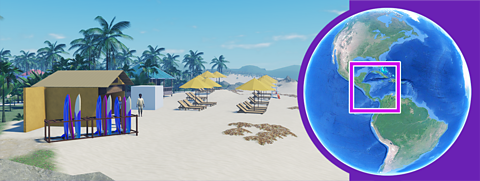
Learning objectives
- to identify physical processes along coastlines, such as erosion and longshore drift
- to make decisions about how to manage coastlines, including the use of hard and soft engineering strategies
- to examine the social, economic, and environmental impacts of decisions made along coastlines
Northern Ireland curriculum focus: Environment and Society
Knowledge, understanding and skills:
Young people should have opportunities to:
- develop geographical skills to interpret spatial patterns including atlas and map-work skills
- develop enquiry and fieldwork skills: questioning, planning, collecting, recording, presenting, analysing, interpreting information and drawing conclusions relating to a range of primary and secondary sources
- develop critical and creative thinking skills to solve geographical problems and make informed decisions
Young people should develop an understanding of:
- physical processes of landscape development
- the interrelationships between physical and human environments
- the dynamic nature of physical and human environments
- the need for social, economic and environmental change to be sustainable
Objectives:
Young people should have opportunities to:
- develop an understanding of how people in different places interact with their environment
- investigate how the skills developed through geography will be useful to a range of careers
- investigate how physical processes operate to create distinct and diverse environments
- investigate the impact of conflict between social, economic and environmental needs both locally and globally
Learning outcomes:
Young people should be able to:
- demonstrate skills in using maps (and GIS), fieldwork equipment and methods of data collection in undertaking geographical enquiry
- research and manage information effectively to investigate geographical issues, using Mathematics and ICT where appropriate
- show deeper geographical understanding by thinking critically and flexibly, solving problems and making informed decisions, using Mathematics and ICT where appropriate
- work effectively with others
- demonstrate self-management by working systematically, persisting with tasks, evaluating and improving own performance
Cross-curricular links (Northern Ireland curriculum)
*Using Mathematics: *
- use mathematics to solve problems and make decisions
- develop financial capability
- use ICT to solve problems and/or present their work
Mathematics and Numeracy:
- knowledge and understanding of personal finance issues; and skills to enable competent and responsible financial decision making
- the application of mathematical skills to real life and work situations
Using ICT:
- researching information, as well as using digital tools to investigate and solve problems
Science and Technology:
- investigate the effects of pollution, for example, water, air, land, sound etc and specific measures to improve and protect the environment
- explore the importance of biodiversity, how it impacts on our lives and how it is affected by human activity
- investigate what can be done to conserve and promote biodiversity
Thinking skills and personal capability:
- managing Information
- thinking, problem-solving and decision-making
- working with others
- self-management
For detailed Teacher notes
Urbanisation
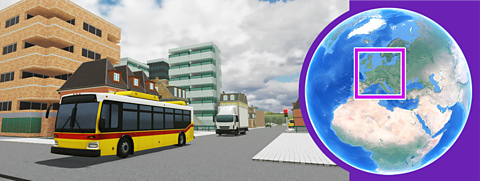
Managing high-income country (HIC) cities
Approximate location: Northern Europe
Learning objectives
- to identify some of the key challenges in HIC cities
- to make decisions about how to manage challenges in HIC cities
- to evaluate the social, economic, and environmental impacts of decisions made in cities in HICs
Northern Ireland curriculum focus: Environment and Society
Knowledge, understanding and skills:
Young people should have opportunities to:
- develop geographical skills to interpret spatial patterns including atlas and map-work skills
- develop enquiry and fieldwork skills: questioning, planning, collecting, recording, presenting, analysing, interpreting information and drawing conclusions relating to a range of primary and secondary sources
- develop critical and creative thinking skills to solve geographical problems and make informed decisions
Young people should develop an understanding of:
- the interrelationships between physical and human environments
- the dynamic nature of physical and human environments
- the ways in which places are interdependent
- the need for social, economic and environmental change to be sustainable
Objectives:
Young people should have opportunities to:
- develop an understanding of how people in different places interact with their environment
- investigate how the skills developed through geography will be useful to a range of careers
- investigate the impact of conflict between social, economic and environmental needs both locally and globally
- explore how we can exercise environmental stewardship and help promote a better quality of life for present and future generations, both locally and globally
Learning outcomes:
Young people should be able to:
- demonstrate skills in using maps (and GIS), fieldwork equipment and methods of data collection in undertaking geographical enquiry
- research and manage information effectively to investigate geographical issues, using Mathematics and ICT where appropriate
- show deeper geographical understanding by thinking critically and flexibly, solving problems and making informed decisions using mathematics and ICT where appropriate
- work effectively with others
- demonstrate self-management by working systematically, persisting with tasks, evaluating and improving own performance
Cross-curricular links (Northern Ireland curriculum)
Using Mathematics
- to solve problems and make decisions
- develop financial capability
- use ICT to solve problems and/or present their work
Mathematics and Numeracy
- knowledge and understanding of personal finance issues and skills to enable competent and responsible financial decision making
- the application of mathematical skills to real life and work situations
Using ICT
- researching information, as well as using digital tools to investigate and solve problems
Science and Technology
- investigate the effects of pollution, for example, water, air, land, sound etc and specific measures to improve and protect the environment
- explore the importance of biodiversity, how it impacts on our lives and how it is affected by human activity
- investigate what can be done to conserve and promote biodiversity
Thinking skills and personal capability
- managing information
- thinking, problem-solving and decision-making
- working with others
- self-management
For detailed Teacher notes
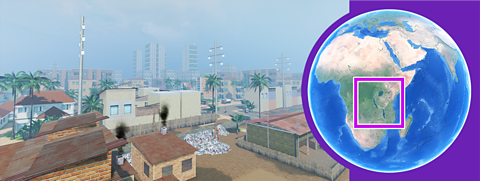
Environmental consequences
Approximate location: Central Africa
Learning objectives
- to identify the causes and effects of urbanisation in low-income countries (LICs)
- to identify social, economic, and environmental challenges in LIC cities
- to make decisions about how to manage the growth of cities and how to improve conditions for those living in informal settlements in LICs
Northern Ireland curriculum focus: Environment and Society
Knowledge, understanding and skills:
Young people should have opportunities to:
- develop geographical skills to interpret spatial patterns including atlas and map-work skills
- develop enquiry and fieldwork skills: questioning, planning, collecting, recording, presenting, analysing, interpreting information and drawing conclusions relating to a range of primary and secondary sources
- develop critical and creative thinking skills to solve geographical problems and make informed decisions
Young people should develop an understanding of:
- the interrelationships between physical and human environments
- the dynamic nature of physical and human environments
- the ways in which places are interdependent
- the need for social, economic and environmental change to be sustainable
Objectives:
Young people should have opportunities to:
- develop an understanding of how people in different places interact with their environment
- investigate how the skills developed through geography will be useful to a range of careers
- investigate the impact of conflict between social, economic and environmental needs both locally and globally
- explore how we can exercise environmental stewardship and help promote a better quality of life for present and future generations, both locally and globally
Learning outcomes:
Young people should be able to:
- demonstrate skills in using maps (and GIS), fieldwork equipment and methods of data collection in undertaking geographical enquiry
- research and manage information effectively to investigate geographical issues, using Mathematics and ICT where appropriate
- show deeper geographical understanding by thinking critically and flexibly, solving problems and making informed decisions using mathematics and ICT where appropriate
- work effectively with others
- demonstrate self-management by working systematically, persisting with tasks, evaluating and improving own performance
Cross-curricular links (Northern Ireland curriculum)
Using Mathematics
- to solve problems and make decisions
- develop financial capability
- use ICT to solve problems and/or present their work
Mathematics and Numeracy
- knowledge and understanding of personal finance issues and skills to enable competent and responsible financial decision making
- the application of mathematical skills to real life and work situations
Using ICT
- researching information, as well as using digital tools to investigate and solve problems
Science and Technology
- investigate the effects of pollution, for example, water, air, land, sound etc and specific measures to improve and protect the environment
- explore the importance of biodiversity, how it impacts on our lives and how it is affected by human activity
- investigate what can be done to conserve and promote biodiversity
Thinking skills and personal capability
- managing information
- thinking, problem-solving and decision-making
- working with others
- self-management
For detailed Teacher notes
Weather and climate
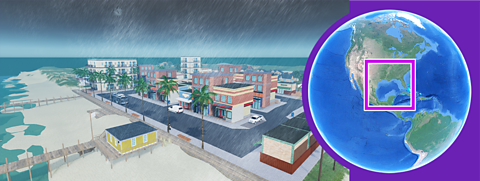
Extreme weather
Approximate location: Southern USA
Learning objectives
- to understand how climate change is leading to an increased frequency of extreme weather events
- to examine the social, economic, and environmental impacts of extreme weather events
- to make decisions about how to prepare for, and respond to, extreme weather events
Northern Ireland curriculum focus: Environment and Society
Knowledge, understanding and skills:
Young people should have opportunities to:
- develop geographical skills to interpret spatial patterns including atlas and map-work skills
- develop enquiry and fieldwork skills: questioning, planning, collecting, recording, presenting, analysing, interpreting information and drawing conclusions relating to a range of primary and secondary sources
- develop critical and creative thinking skills to solve geographical problems and make informed decisions; in order to develop an understanding of
- the interrelationships between physical and human environments
- the ways in which places are interdependent
- the need for social, economic and environmental change to be sustainable
Objectives:
Young people should have opportunities to:
- develop an understanding of how people in different places interact with their environment
- investigate how the skills developed through geography will be useful to a range of careers
- investigate the impact of conflict between social, economic and environmental needs both locally and globally
- explore how we can exercise environmental stewardship and help promote a better quality of life for present and future generations, both locally and globally
Learning outcomes:
Young people should be able to:
- demonstrate skills in using maps (and GIS), fieldwork equipment and methods of data collection in undertaking geographical enquiry
- research and manage information effectively to investigate geographical issues, using Mathematics and ICT where appropriate
- show deeper geographical understanding by thinking critically and flexibly, solving problems and making informed decisions
Mathematics and ICT skills
- work effectively with others
- demonstrate self-management by working systematically, persisting with tasks, evaluating and improving own performance
Cross-curricular links (Northern Ireland Curriculum)
Using Mathematics
- use mathematics to solve problems and make decisions
- develop financial capability
- use ICT to solve problems and/or present their work
Mathematics and Numeracy
- knowledge and understanding of personal finance issues and skills to enable competent and responsible financial decision making
- the application of mathematical skills to real life and work situations
Using ICT
- explore is about researching information as well as using digital tools to investigate and solve problems
Science and Technology
- investigate the effects of pollution, for example, water, air, land, sound etc and specific measures to improve and protect the environment
Thinking skills and personal capability
- managing information
- thinking, problem-solving and decision-making
- working with others
- self-management
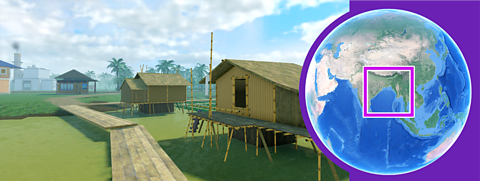
Low-income country (LIC) climate change
Approximate location: Bay of Bengal
Learning objectives
- to identify the factors contributing to climate change in LICs
- to make decisions about adapting to climate change in LICs
- to examine strategies for mitigating climate change in LICs
Northern Ireland curriculum focus: Environment and Society
Knowledge, understanding and skills:
Young people should have opportunities to:
- develop geographical skills to interpret spatial patterns including atlas and map-work skills
- develop enquiry and fieldwork skills: questioning, planning, collecting, recording, presenting, analysing, interpreting information and drawing conclusions relating to a range of primary and secondary sources
- develop critical and creative thinking skills to solve geographical problems and make informed decisions; in order to develop an understanding of
- the interrelationships between physical and human environments
- the ways in which places are interdependent
- the need for social, economic and environmental change to be sustainable
Objectives:
Young people should have opportunities to:
- develop an understanding of how people in different places interact with their environment
- investigate how the skills developed through geography will be useful to a range of careers
- investigate the impact of conflict between social, economic and environmental needs both locally and globally
- explore how we can exercise environmental stewardship and help promote a better quality of life for present and future generations, both locally and globally
Learning outcomes:
Young people should be able to:
- demonstrate skills in using maps (and GIS), fieldwork equipment and methods of data collection in undertaking geographical enquiry
- research and manage information effectively to investigate geographical issues, using Mathematics and ICT where appropriate
- show deeper geographical understanding by thinking critically and flexibly, solving problems and making informed decisions
Mathematics and ICT skills
- work effectively with others
- demonstrate self-management by working systematically, persisting with tasks, evaluating and improving own performance
Cross-curricular links (Northern Ireland Curriculum)
Using Mathematics
- use mathematics to solve problems and make decisions
- develop financial capability
- use ICT to solve problems and/or present their work
Mathematics and Numeracy
- knowledge and understanding of personal finance issues and skills to enable competent and responsible financial decision making
- the application of mathematical skills to real life and work situations
Using ICT
- explore is about researching information as well as using digital tools to investigate and solve problems
Science and Technology
- investigate the effects of pollution, for example, water, air, land, sound etc and specific measures to improve and protect the environment
Thinking skills and personal capability
- managing information
- thinking, problem-solving and decision-making
- working with others
- self-management
Population and migration
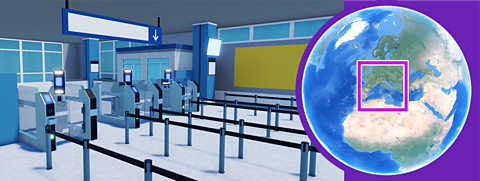
Increasing immigration
Approximate location: Central/ Southern Europe
Learning objectives
- to identify the reasons why people migrate
- to make decisions about immigration
- to examine the impacts of immigration on people, the economy and the environment
Northern Ireland curriculum focus: Environment and Society
Knowledge, understanding and skills:
Young people should have opportunities to:
- develop geographical skills to interpret spatial patterns including atlas and map-work skills
- develop enquiry and fieldwork skills: questioning, planning, collecting, recording, presenting, analysing, interpreting information and drawing conclusions relating to a range of primary and secondary sources
- develop critical and creative thinking skills to solve geographical problems and make informed decisions
Young people should develop an understanding of:
- the ways in which places are interdependent
- the need for social, economic and environmental change to be sustainable
Objectives:
Young people should have opportunities to:
- develop an understanding of how people in different places interact with their environment
- investigate how the skills developed through geography will be useful to a range of careers
- investigate the impact of conflict between social, economic and environmental needs both locally and globally
- explore how we can exercise environmental stewardship and help promote a better quality of life for present and future generations, both locally and globally
Learning outcomes:
Young people should be able to:
- demonstrate skills in using maps (and GIS), fieldwork equipment and methods of data collection in undertaking geographical enquiry
- research and manage information effectively to investigate geographical issues, using Mathematics and ICT where appropriate
- show deeper geographical understanding by thinking critically and flexibly, solving problems and making informed decisions
- work effectively with others
- demonstrate self-management by working systematically, persisting with tasks, evaluating and improving own performance
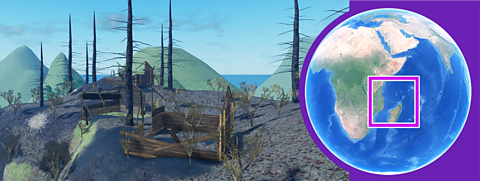
Dealing with emigration
Approximate location: Madagascar
Learning objectives
- to identify the causes of emigration from LICs
- to examine the social, economic, and environmental impacts of emigration on LICs
- to make decisions about how to manage emigration in LICs
Northern Ireland curriculum focus: Environment and Society
Knowledge, understanding and skills:
Young people should have opportunities to:
- develop geographical skills to interpret spatial patterns including atlas and map-work skills
- develop enquiry and fieldwork skills: questioning, planning, collecting, recording, presenting, analysing, interpreting information and drawing conclusions relating to a range of primary and secondary sources
- develop critical and creative thinking skills to solve geographical problems and make informed decisions
Young people should develop an understanding of:
- the ways in which places are interdependent
- the need for social, economic and environmental change to be sustainable
Objectives:
Young people should have opportunities to:
- develop an understanding of how people in different places interact with their environment
- investigate how the skills developed through geography will be useful to a range of careers
- investigate the impact of conflict between social, economic and environmental needs both locally and globally
- explore how we can exercise environmental stewardship and help promote a better quality of life for present and future generations, both locally and globally
Learning outcomes:
Young people should be able to:
- demonstrate skills in using maps (and GIS), fieldwork equipment and methods of data collection in undertaking geographical enquiry
- research and manage information effectively to investigate geographical issues, using Mathematics and ICT where appropriate
- show deeper geographical understanding by thinking critically and flexibly, solving problems and making informed decisions
- work effectively with others
- demonstrate self-management by working systematically, persisting with tasks, evaluating and improving own performance
