
Strictly Come Dancing FAQs

Find out what's happening in Strictly Come Dancing 2009
Frequently Asked Questions
Why are the voting figures not published?
We invite you to vote for the dancers that you liked best, based on their performance in each show and during the series. Releasing voting figures could affect the way that people vote, and also have an impact on the participants. We therefore do not disclose the exact voting figures.
Although the BBC is subject to the Freedom of Information Act, information which is closely connected to our programme-making is not covered by the Act. The Information Commissioner, who regulates the Act, has confirmed that information about Strictly Come Dancing voting is not covered. We are therefore not required to disclose the voting figures under the Act.
How do I claim a refund for my semi-final vote?
In light of the decision to allow all three couples that danced in the Strictly Come Dancing 2008 semi-final broadcast on 13th December 2008 to compete in the final to be held on 20th December 2008, the BBC recognises that some viewers who voted may be unhappy.
Therefore, the BBC has decided to offer refunds to any callers, who wish to claim one, who voted for any of the three couples following the show broadcast on 13th December 2008, (please note refunds are not available for any votes cast following any other Strictly Come Dancing programmes).
You can find all the information about claiming your refund together with the terms and conditions for doing so on our semi-final vote refund page.
Is there a Strictly Come Dancing CD available?
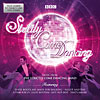
A Strictly Come Dancing album (left) featuring a selection of songs from series one to five and the show's theme tune is available in shops now.
Why isn't the money raised from phone votes going to Children in Need this year?
This year, in accordance with the BBC code of conduct for competitions and voting, no money from calls made to Strictly Come Dancing will go to charity.
The main focus of fundraising at the BBC has always been the big appeal shows on BBC One and surrounding activity. That continues to be the case. Raising money for charity through premium rate phone calls has only ever been an incidental and occasional activity on BBC programmes.
Although we recognised many viewers enjoyed giving to charity in an incidental way through these phone lines, our main concern was clarity for viewers. The new policy of having just two premium call categories - one capped at 15p for all BBC programmes and the other for any charity appeals - would make it even clearer to audiences what to expect when they interacted with BBC programmes in competitions or votes. As such the BBC does not make any money from phone voting.
You can read more about how the voting and scoring system works on Strictly on our voting information page.
Can I get tickets for the show?
Tickets to be in the audience of Strictly Come Dancing are no longer available. Registration for this year's random draw closed on Sunday 7 September.
Visit the BBC Tickets website for your chance to obtain audience tickets for other BBC television and radio shows.
How can I get help with watching clips on the website?
The Strictly Come Dancing website uses the Embedded Media Player (EMP), which allows you to watch streaming video clips.
You can find an overview of common questions about the EMP on the BBC News website.
More detailed technical questions are answered on the BBC iPlayer Help pages.
What was the music on the show?
You can watch all the performances from the current series of Strictly Come Dancing on our video page. Information about the music that accompanies the dances can be found below the clips.
When is the final of Strictly Come Dancing?
The the final of Strictly Come Dancing will be on 20 December.
For information about when the next episode is due to be shown, visit our episodes page.
When is the newsletter released?
A free newsletter about Strictly Come Dancing is sent from the team several times throughout the series.
Contacting us
If you have any specific comments or queries about the Strictly Come Dancing website, visit our feedback page. Please note, all emails are read but if your email is a general comment or your question is answered on the site or in this FAQ section we may not get back to you.
Although we'd love to be able to answer all the questions we receive about Strictly Come Dancing, it takes time to research queries and this costs the BBC money. For this reason we would ask you to try to find the answer to your question before sending us an email, as the greater the number of queries we receive the less money we can spend on programmes.

BBC iD
BBC iDBBC navigation
BBC links

BBC © 2014The BBC is not responsible for the content of external sites. Read more.
This page is best viewed in an up-to-date web browser with style sheets (CSS) enabled. While you will be able to view the content of this page in your current browser, you will not be able to get the full visual experience. Please consider upgrading your browser software or enabling style sheets (CSS) if you are able to do so.
