Wakayama: a foodie's delight - Hero

Wakayama: a foodie's delight

WAKAYAMA PREFECTURE

Please always refer to the latest government advice before booking travel and departing on any trip.

Japan-based freelance writer and director Felicity Tillack explores the gastronomic delights of her former home on behalf of Wakayama Tourism.

When people ask me where my favourite place in Japan is, the answer is Wakayama.

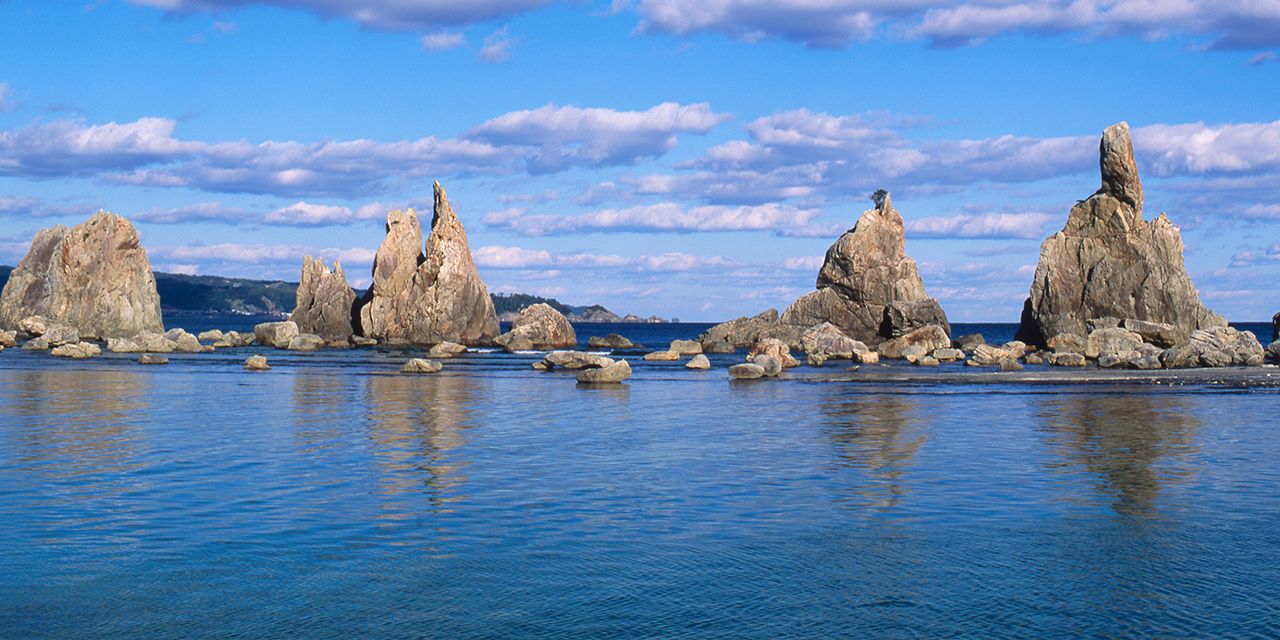
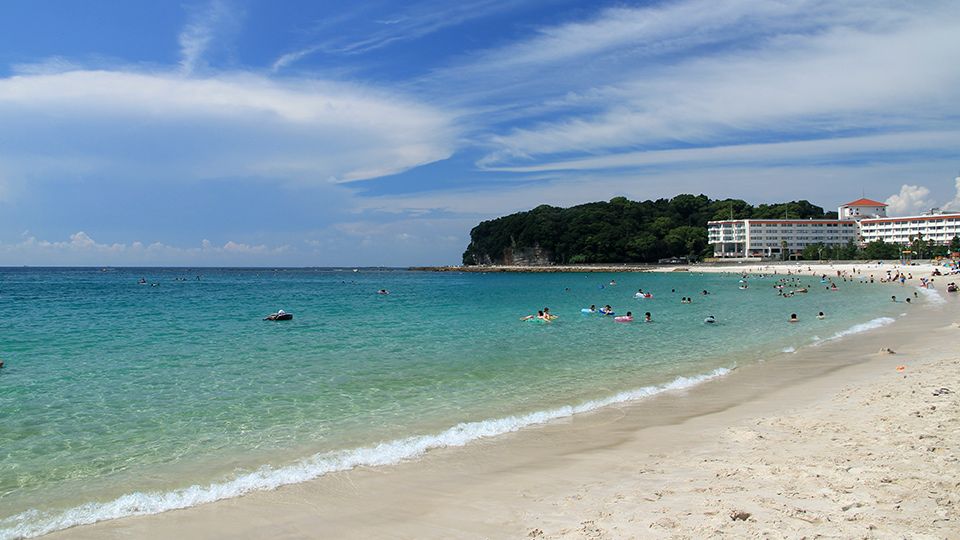
The prefecture, only an hour-long train ride from Kansai International Airport, is home to everything a traveller would want to experience while visiting Japan: the clear waters and white sand of Shirahama; forested mountains that shelter Buddhist temples; natural hot springs that were enjoyed by emperors; friendly and hospitable people; and a knack for creating amazing food.
 

For centuries, Wakayama’s natural produce, in particular its fruit and fish, have been renowned across Japan and in addition, the prefecture is said to be the birthplace of Japanese soy sauce. While these traditional staples continue to be savoured, in recent years many restaurants in the region have been recognised with Michelin stars and Wakayama is keen to promote itself as a destination for international foodies.

Having previously lived in Wakayama for four years, and with Wakayama’s rising prominence in gastronomy, I felt inspired to revisit Wakayama’s famous produce and set myself the delectable task of savouring its fruity ume preserves and wines, its mouthwatering miso and its prized wild tuna sashimi.


Building an appetite

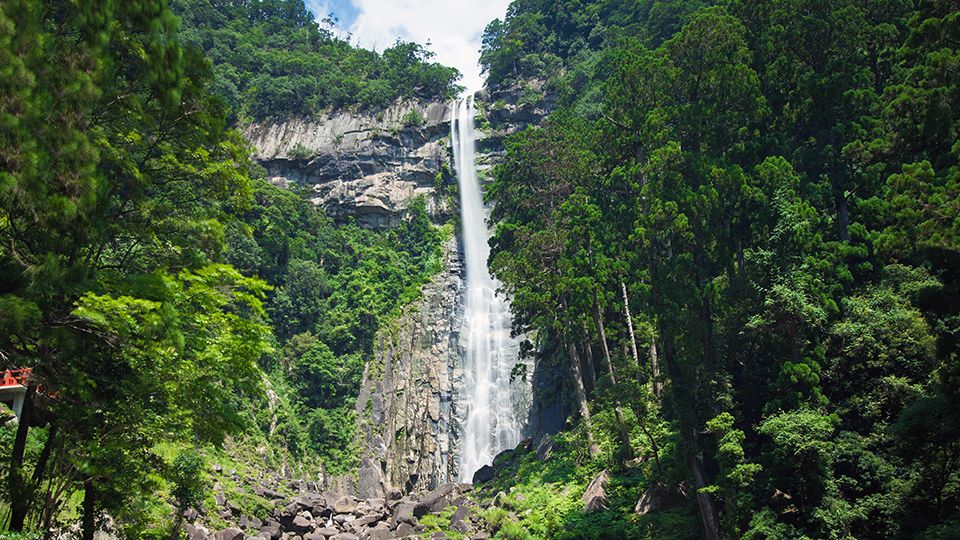
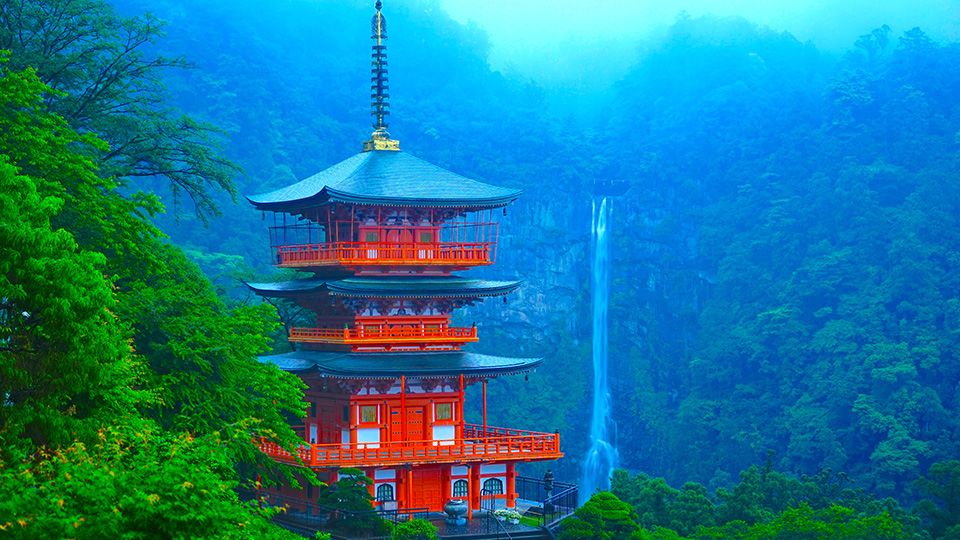
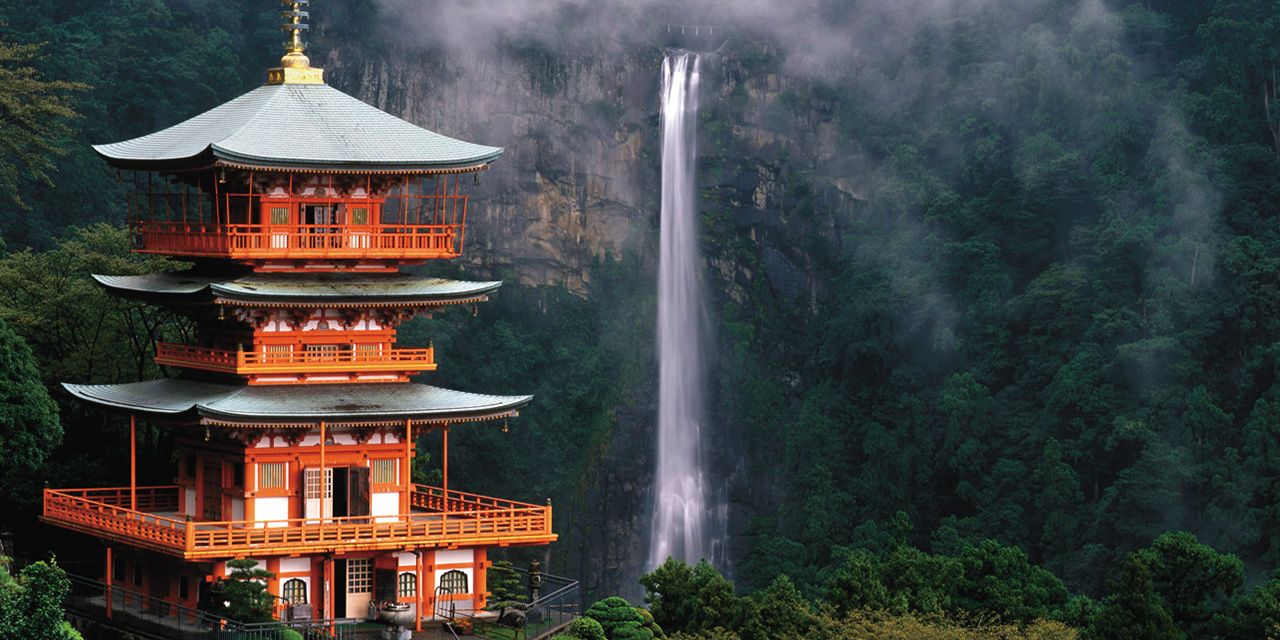
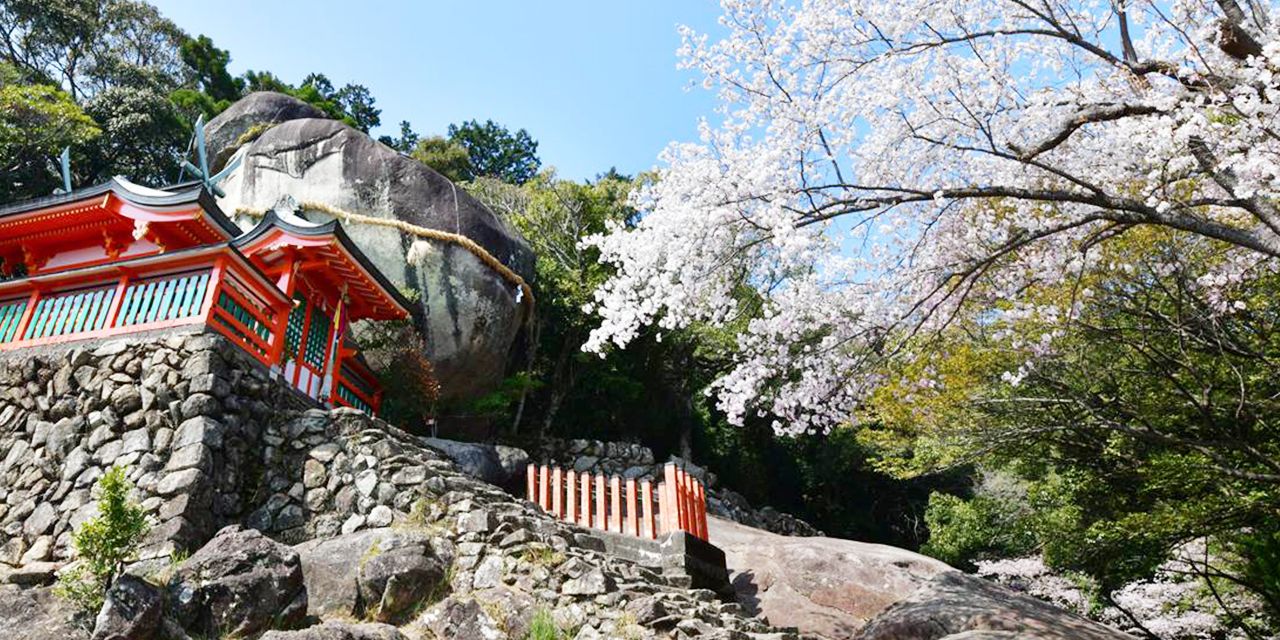
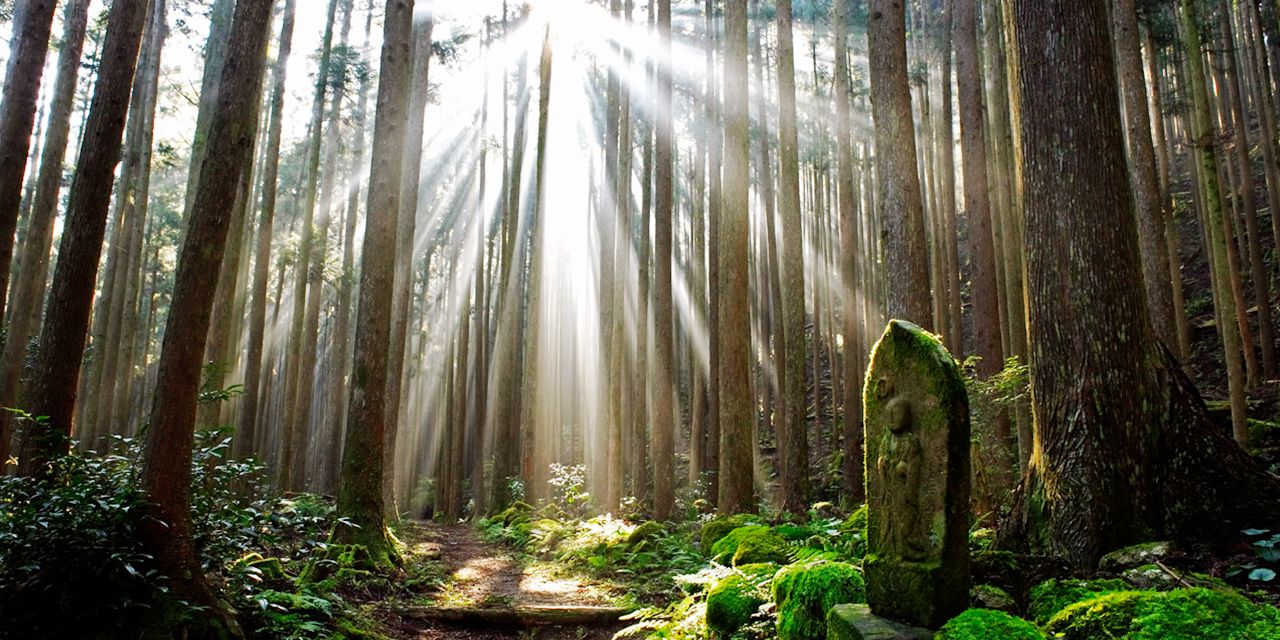
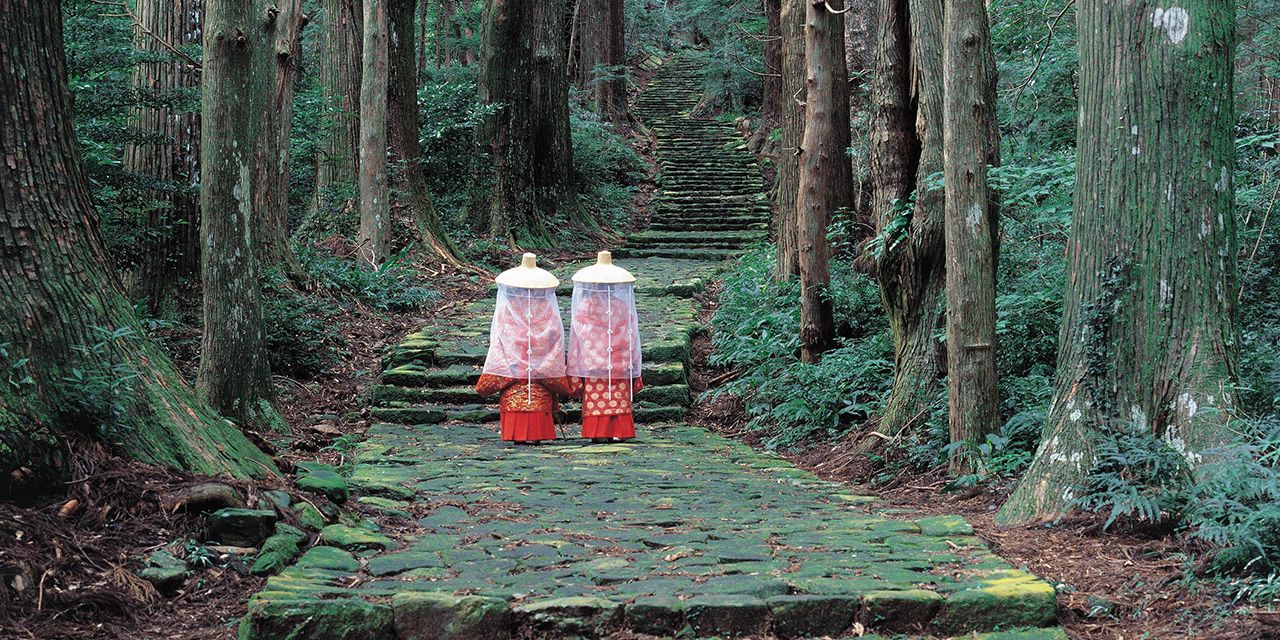
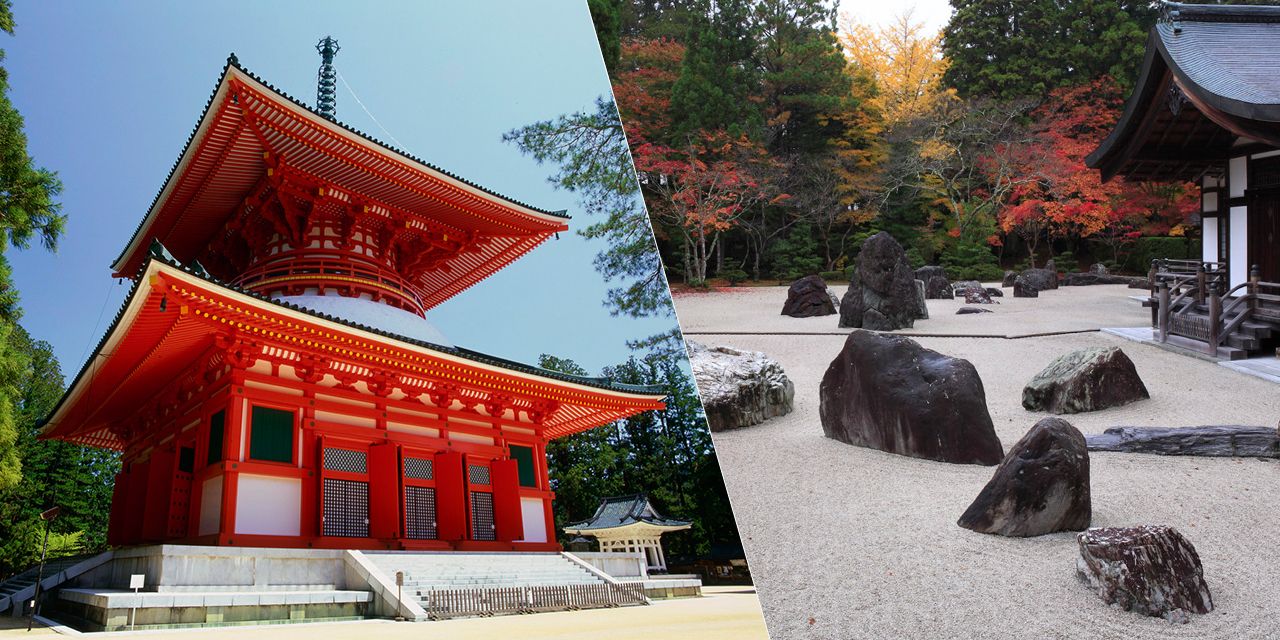
Wakayama is home to many Unesco World Heritage sites, including the Kumano Kodo, an ancient pilgrimage trail that stretches from the country’s tallest waterfall at Nachi Taisha to the granite memorials and serene cedar forests of Koyasan. Travellers who walk both the Kumano Kodo and Spain’s Camino de Santiago route can receive the title of “dual pilgrims”. The prefecture has taken great effort in producing beautiful and informative English language pamphlets and the excellent official guide to the Kumano Kodo to help visitors interested in hiking the sacred trails.


For those with a car and a sense of adventure, I recommend driving the inland routes between the folds of Wakayama’s steep, forested mountains. The roads are very twisty as they hug close to the edge of fast-flowing rivers. In some places they even run hot! Hikers of the Kumano Kodo, and those who come by less active methods, can bathe in the historic Tsuboyu onsen, completely immersed in the naturally heated waters and more than 1000 years of history.


Enter the entrée

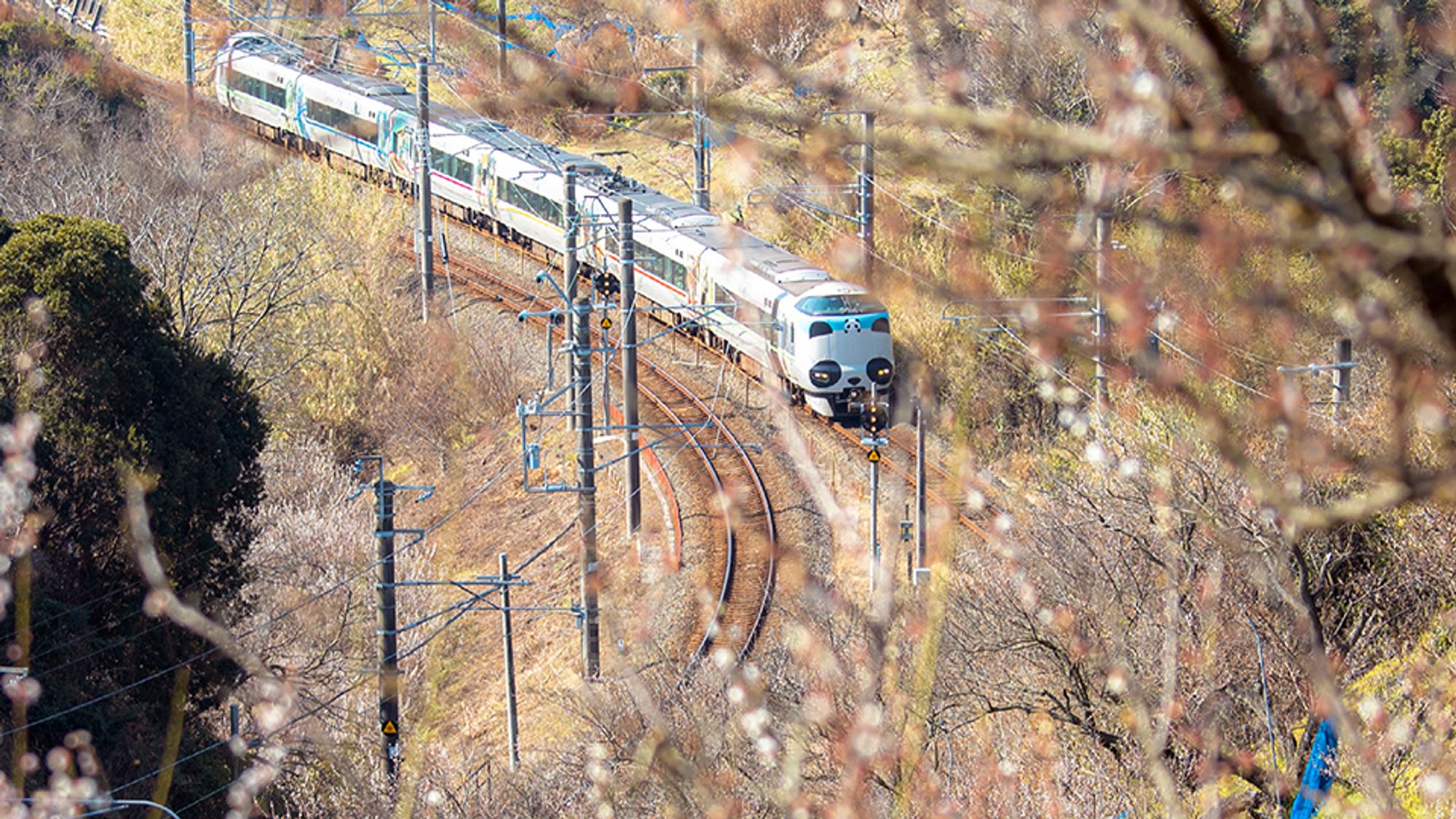
Minabe plum with train

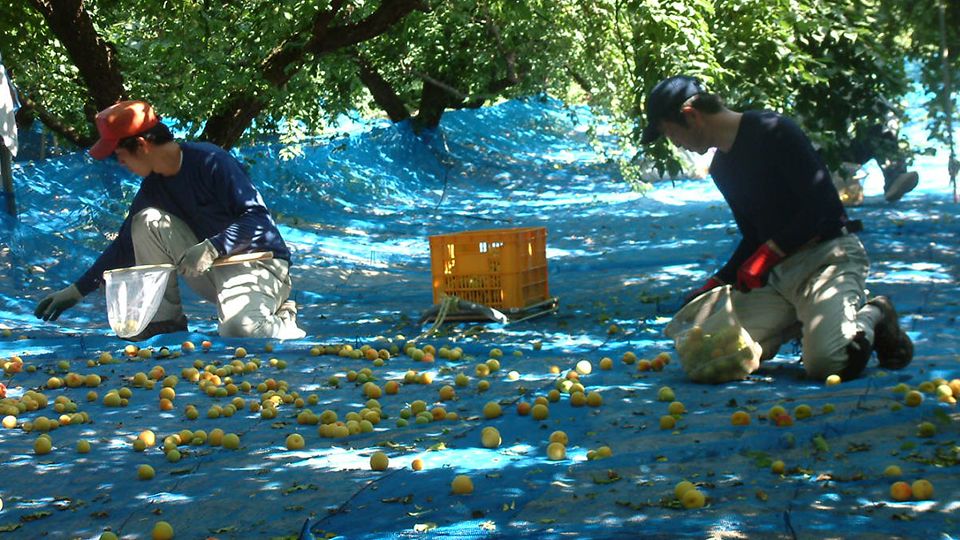
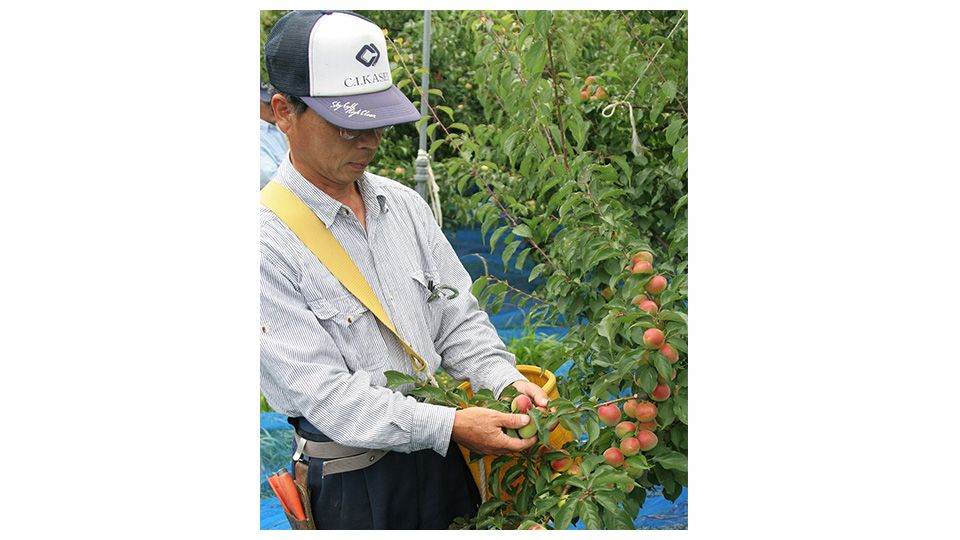
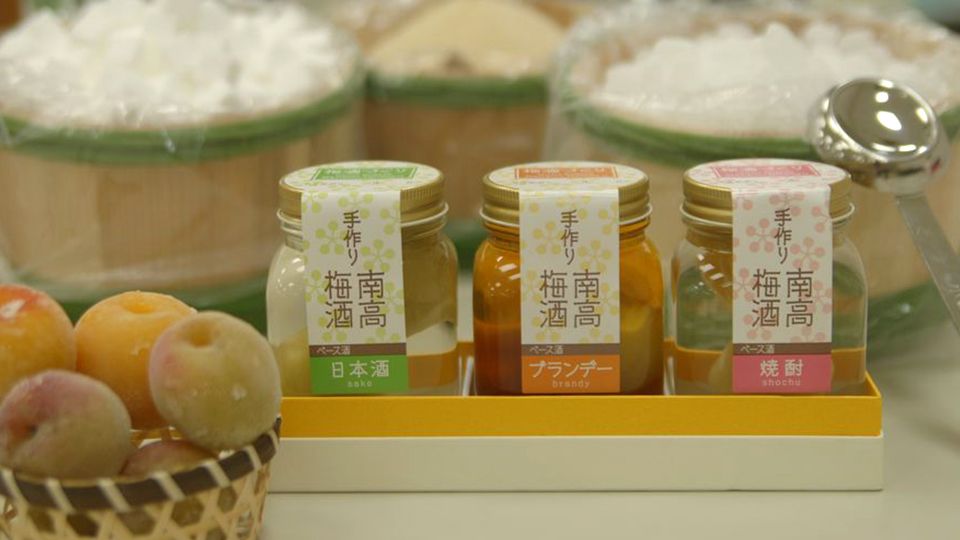
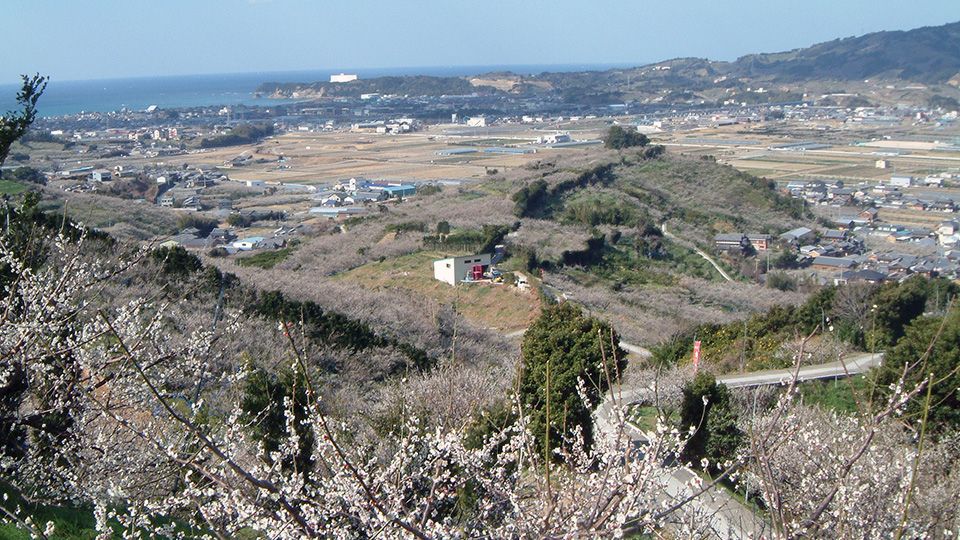
Minabe is a small coastal town on Wakayama’s East coast, a few hours south of Osaka. In mid-February, even as the chill of winter persists, its famous mountainside orchards blossom as almost a million ume trees bloom. Ume is a fruit that resembles, and is related to, apricots but which must be preserved to consume. Wakayama produces most of Japan’s ume and by June the fruit will be ready to harvest and made into umeshu, a light and sweet alcohol, and soft, flavourful pickles called umeboshi.

“Minabe has worked hard to develop its special Nanko ume. They are widely considered to be high quality and juicy!” says Iwamoto Keiko, a guide of the ume groves, a restaurateur who uses ume in her cooking, as well as an umeboshi shop owner. She is part of the community effort in Minabe to spread Wakayama ume to the world. She is also keen to demonstrate the multitude of ways that ume can be consumed.  


“While many people have an image of umeboshi as being sour, I use it in sweets,” she says. “It really matches the flavour of orange juice. At my cafe, we mix ume jam into demi-glace sauce or use umeboshi instead of salt in my garlic prawns. I even put a mix of sweet and salty ume on pizza.”

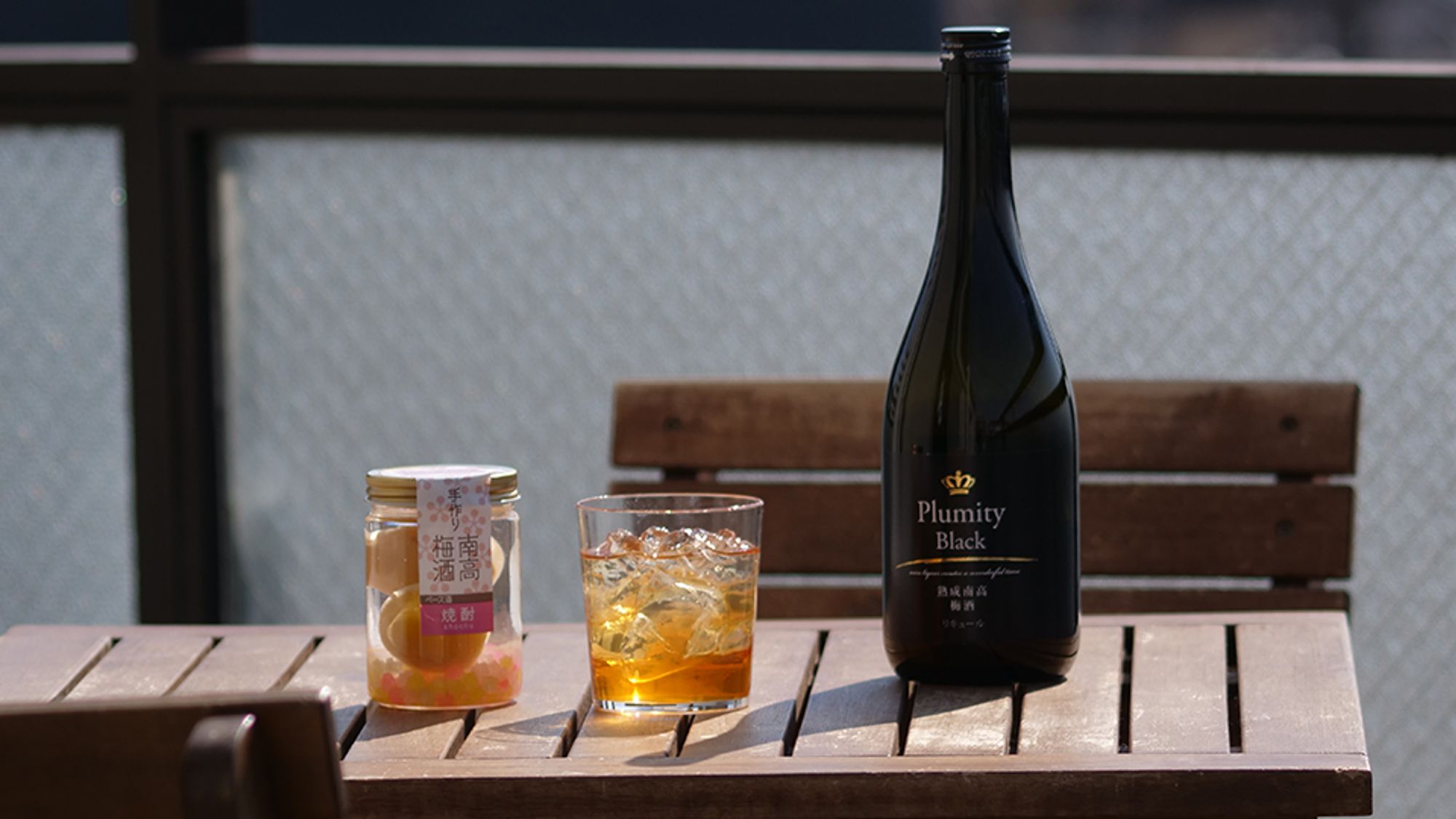
Iwamoto suggested I mix some ume jam with yoghurt for breakfast. The sour tang added a delicious, deep edge of flavour that quickly became addictive. Cravings for something more savoury were soothed by an onigiri rice ball with an orange flavoured umeboshi at its centre, and ume hot sauce added some tasty complexity to chicken wraps for dinner, washed down with a glass of thick, fruity umeshu on ice. 

umeshu


Adding umami

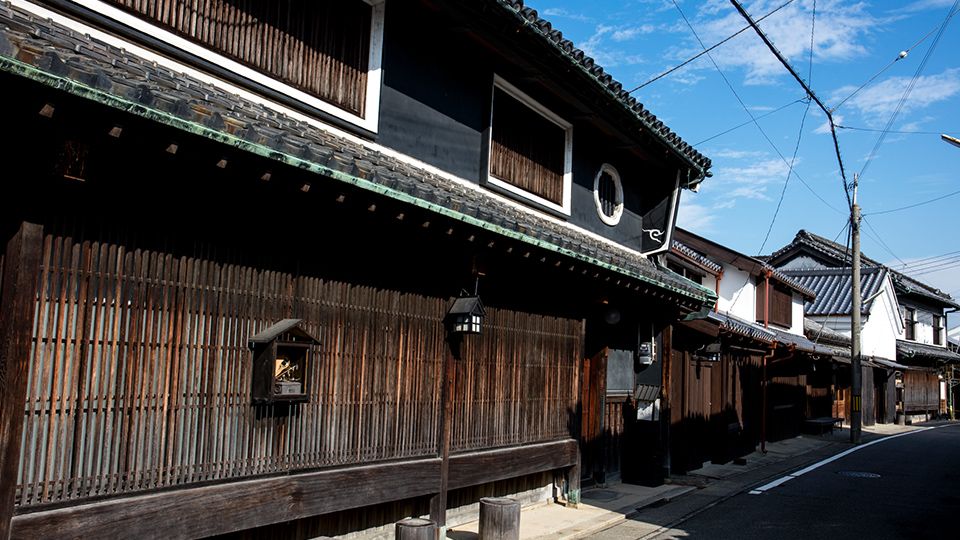
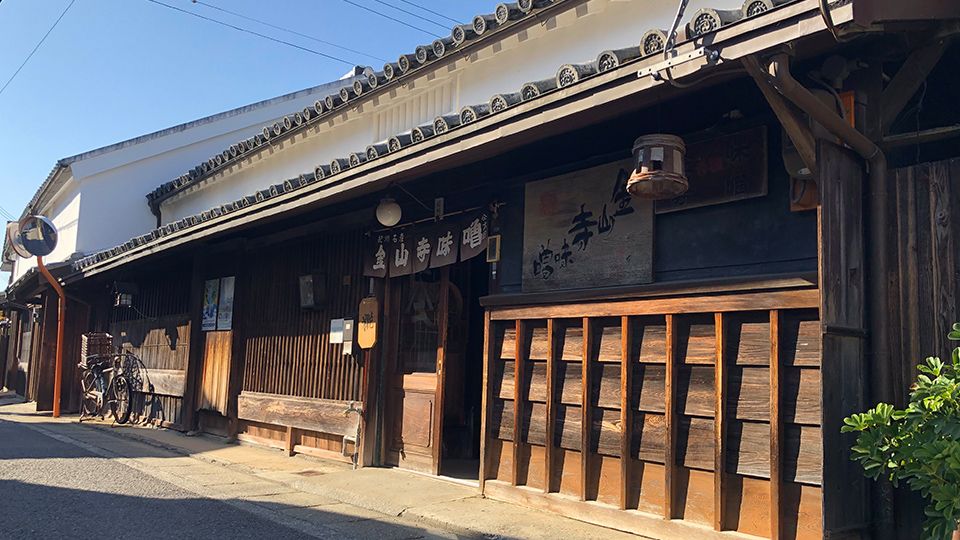
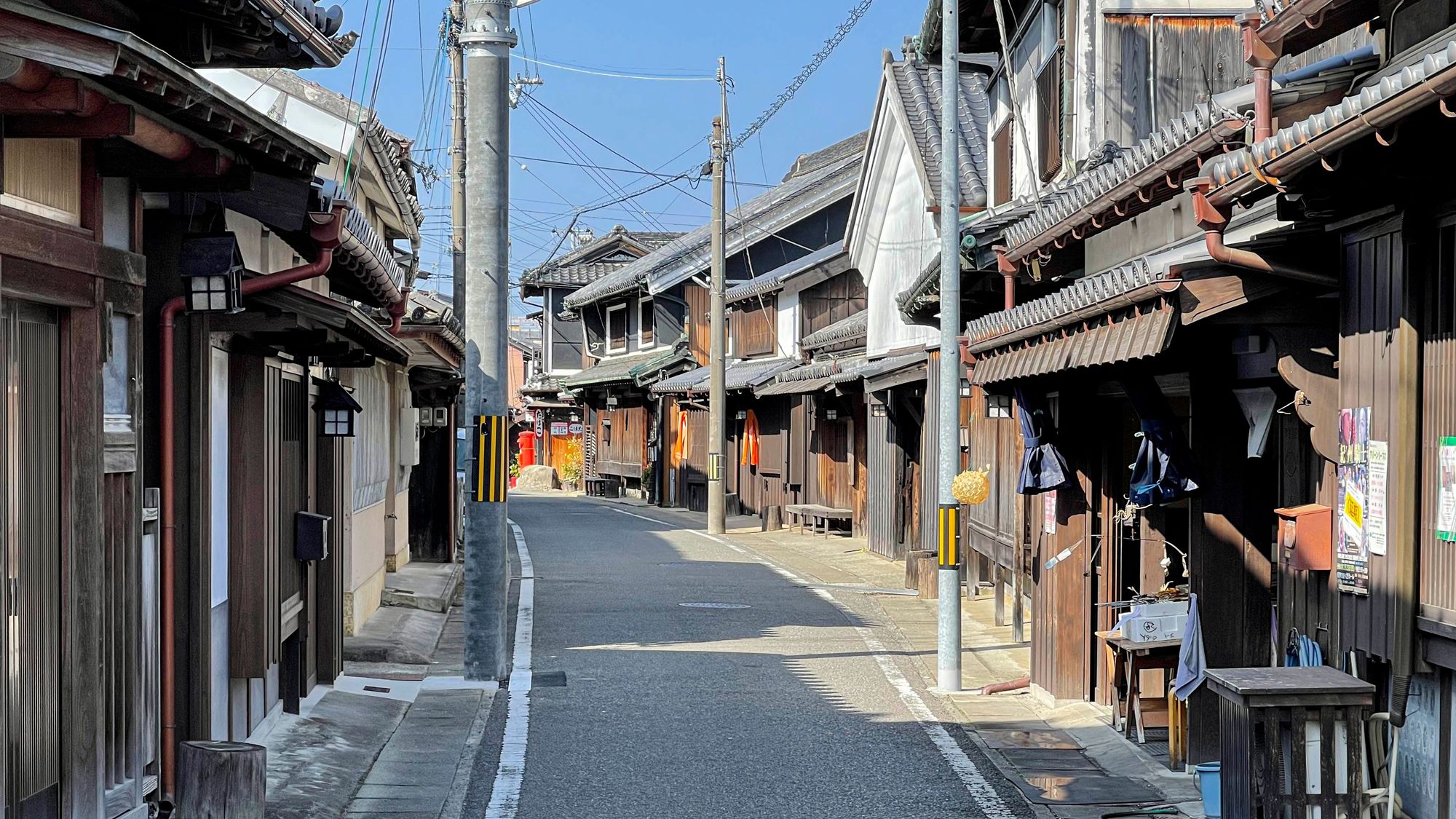
A little further north of Minabe is the tiny town of Yuasa which retains much of its traditional charms.  Rows of wooden homes with their ceramic tile roofs and bamboo window lattices give visitors the sense of slipping back through time. Enigmatic tools and tiny, hand-painted plates hang in glass display cases along the walls for passersby to enjoy. This is one of the towns where, more than 700 years ago, a particularly tasty type of miso called, kinzanji miso, was first produced in Japan.

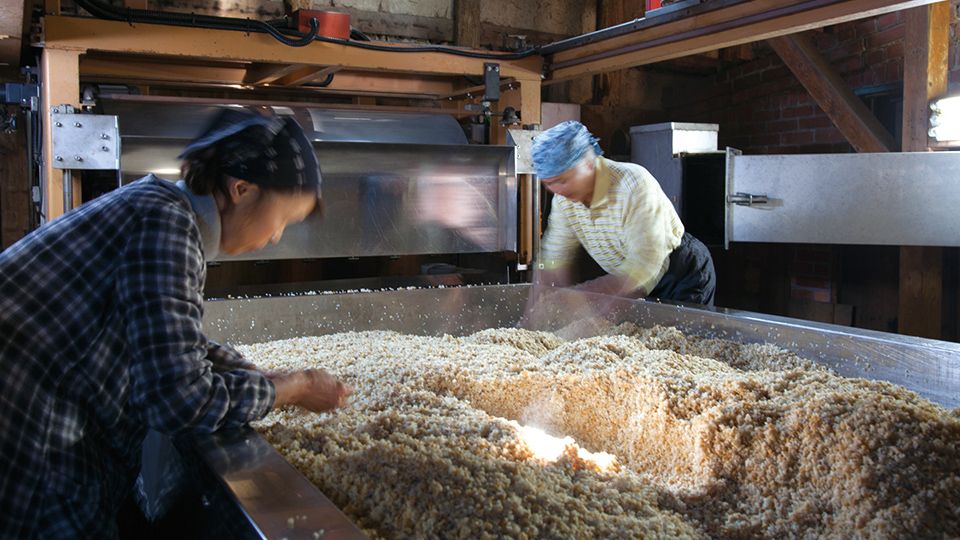
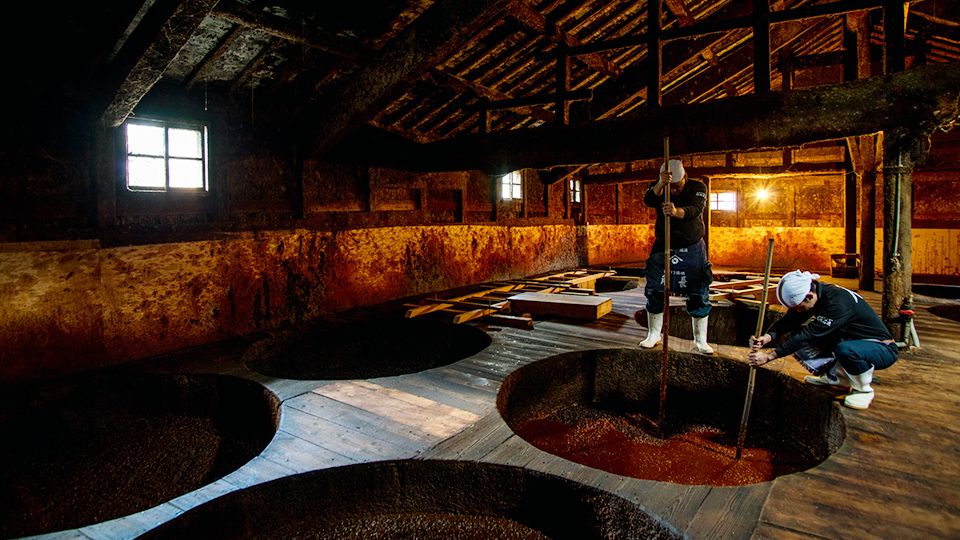
While a lesser-known Wakayama delicacy, kinzanji miso has a supersized claim to fame as the predecessor of Japanese soy sauce. The story goes that a Buddhist monk brought the original miso from China, and taught people how to produce it. During the production process, the people of Yuasa discovered the umami filled tastiness of the savoury brown sauce by-product during the fermentation process. Over the centuries, the town of Yuasa realised its delicious potential and began focusing on its production specifically, making Yuasa the birthplace of soy sauce.


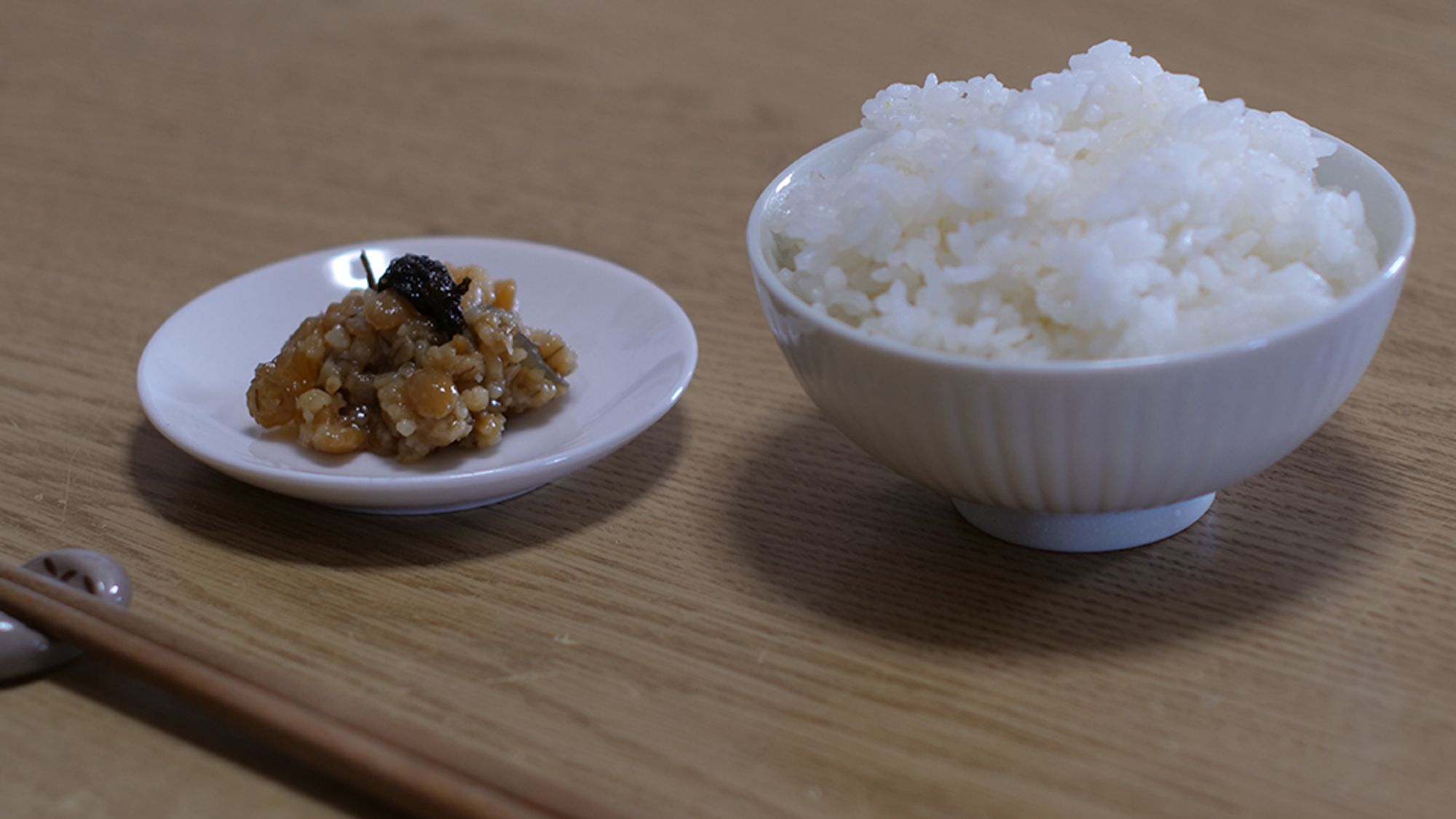
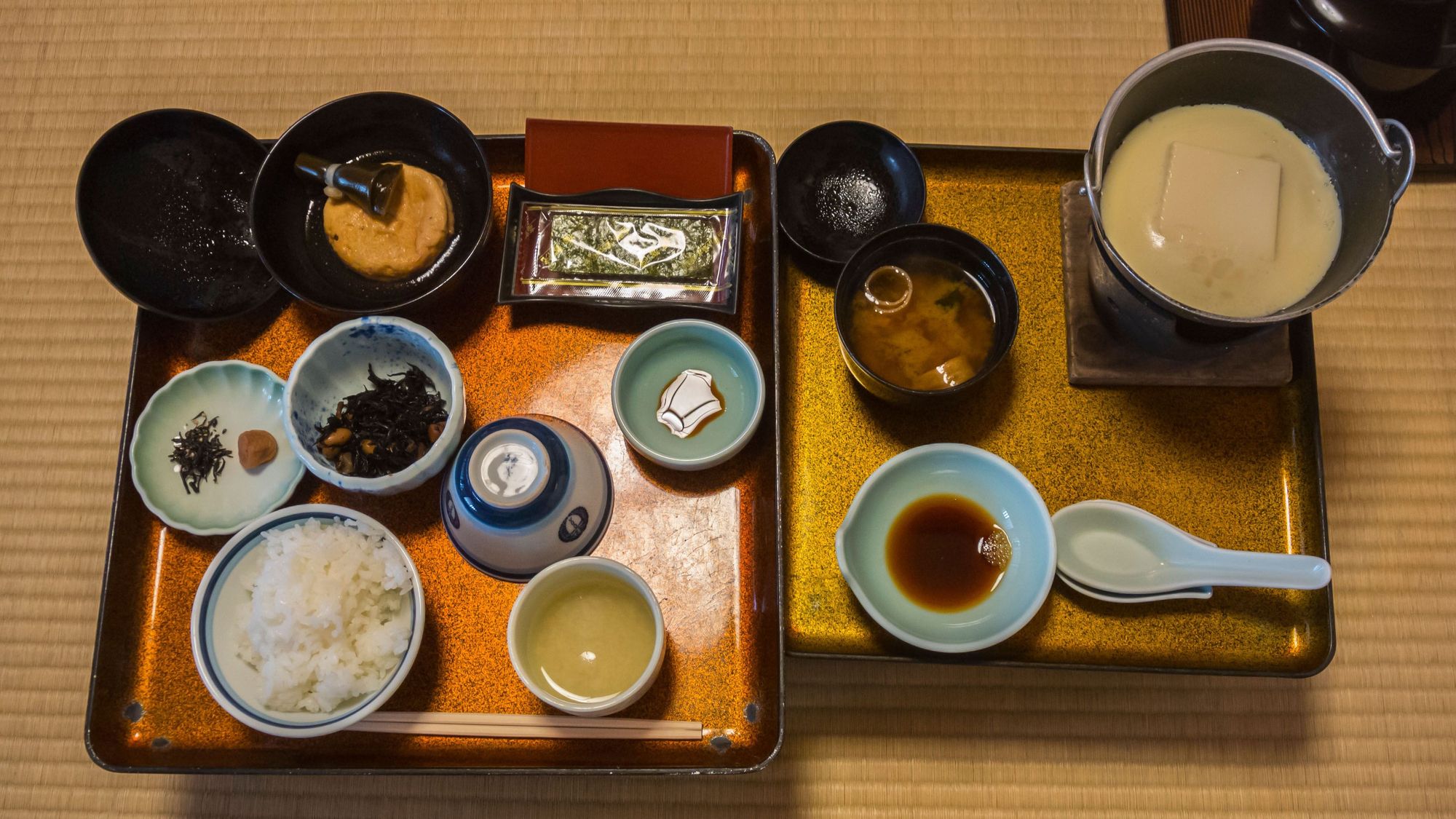
The kinzanji miso itself is made from fermented soybeans, rice, barley and Japanese summer vegetables: eggplant, perilla leaf, ginger and gourd. Unlike other forms of misokinzanji miso is not used as a soup base, but rather eaten directly. In Wakayama, it is often enjoyed with rice porridge, but the condiment is also perfect to snack on by itself or as an accompaniment to a glass of sake. 

I like it over a bowl of hot, freshly cooked rice. Kinzanji miso has a wonderfully deep aroma and each mouthful is a bit different: with spiciness from the chunks of ginger, while pieces of eggplant are more savoury. Altogether the flavour is fruity, rich and packed with all-important umami.

kinzanji miso with rice


From ocean to plate

Water is a sacred element in Japan, said to be home to kami, Shinto spirits, and when I spoke with Wakiguchi Kotaro, the CEO of Yamasa Wakiguchi Tuna Company, he highlighted this importance.

“This is rain country,” he says. “It falls on our pristine mountains, comes down through our rivers and flows into the ocean. From this beautiful water, we harvest the tuna so, if you come to Nachi Katsuura, I would like you to experience the mountains, river and ocean first.”

Japan has a tradition of sei shoku, or raw food, so a high priority is placed on the freshness of the ingredients and the quality of their taste and texture. When it comes to fresh sashimi, the sooner it is consumed the better and auctions start early in the morning so that the tuna can be enjoyed in high-end sushi restaurants, both in Japan and abroad, the same day. Tuna from Nachi Katsuura is never frozen, maintaining its taste and melt-in-your-mouth consistency.

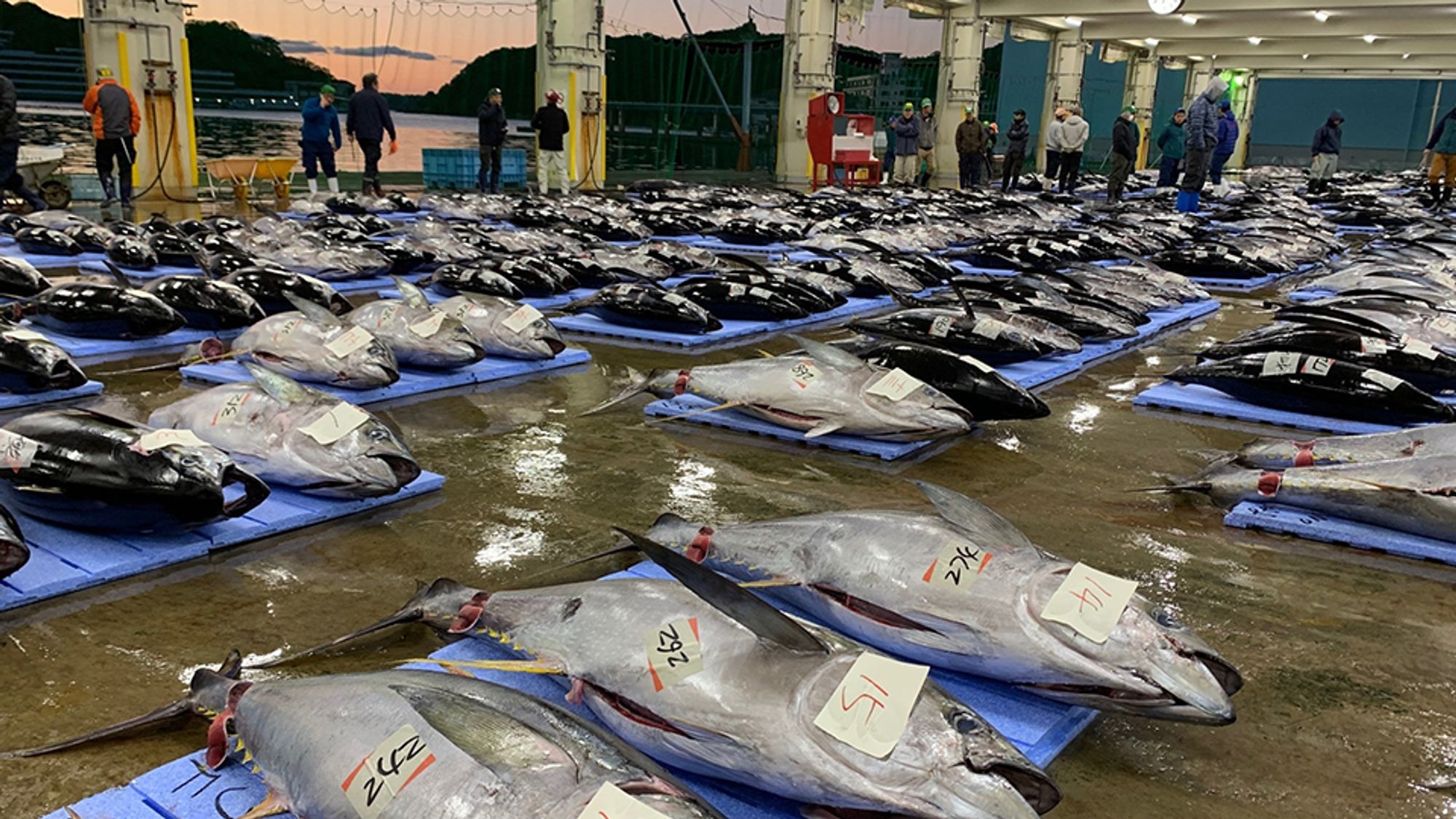
Nachi Katsuura’s tuna market on Wakayama’s Southeast coast takes in Japan’s biggest tuna haul and late winter is their busiest season. Visitors can watch from a specially built viewing platform as the tasty tuna are auctioned, before trying some of the fresh catch themselves in the nearby restaurants, or buying some freshly prepared portions to take away.

Tuna fish market

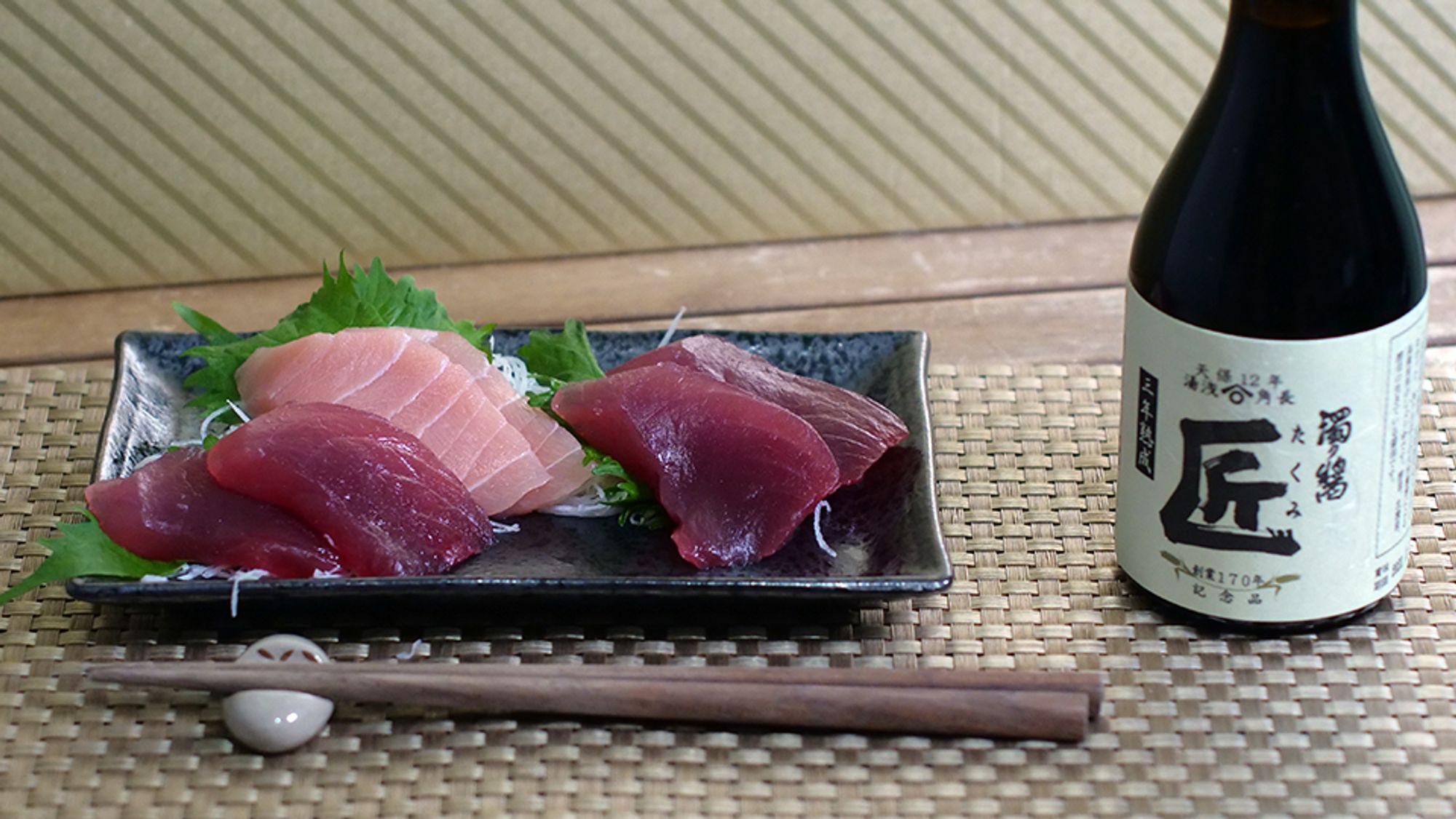
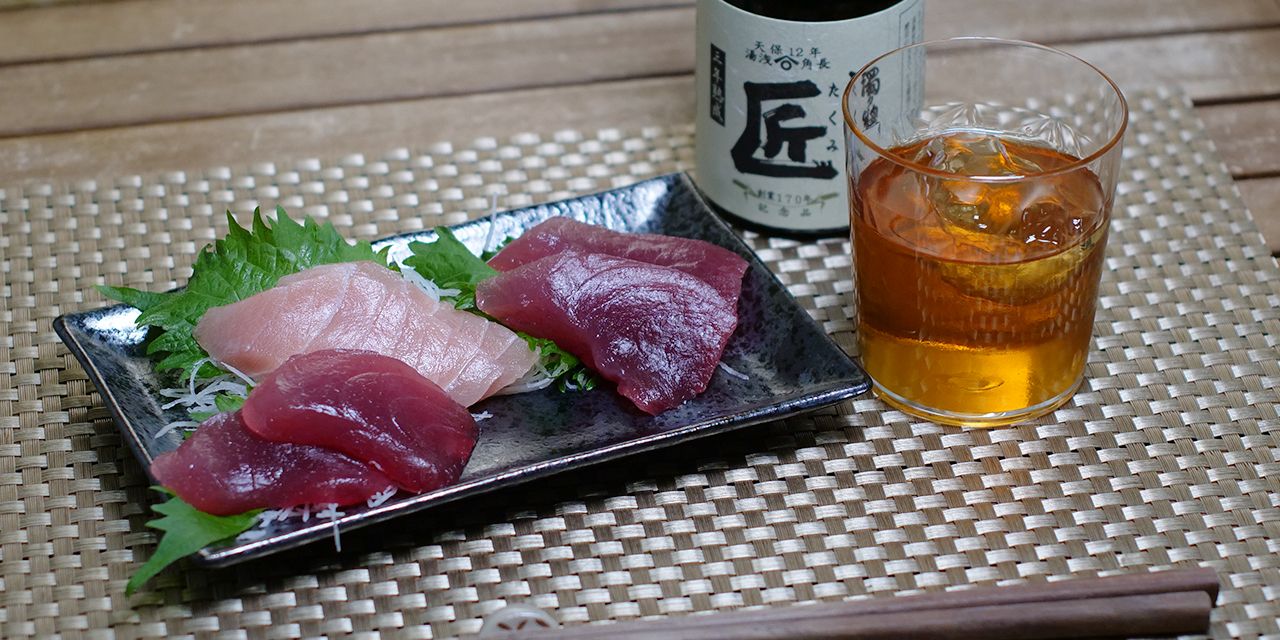
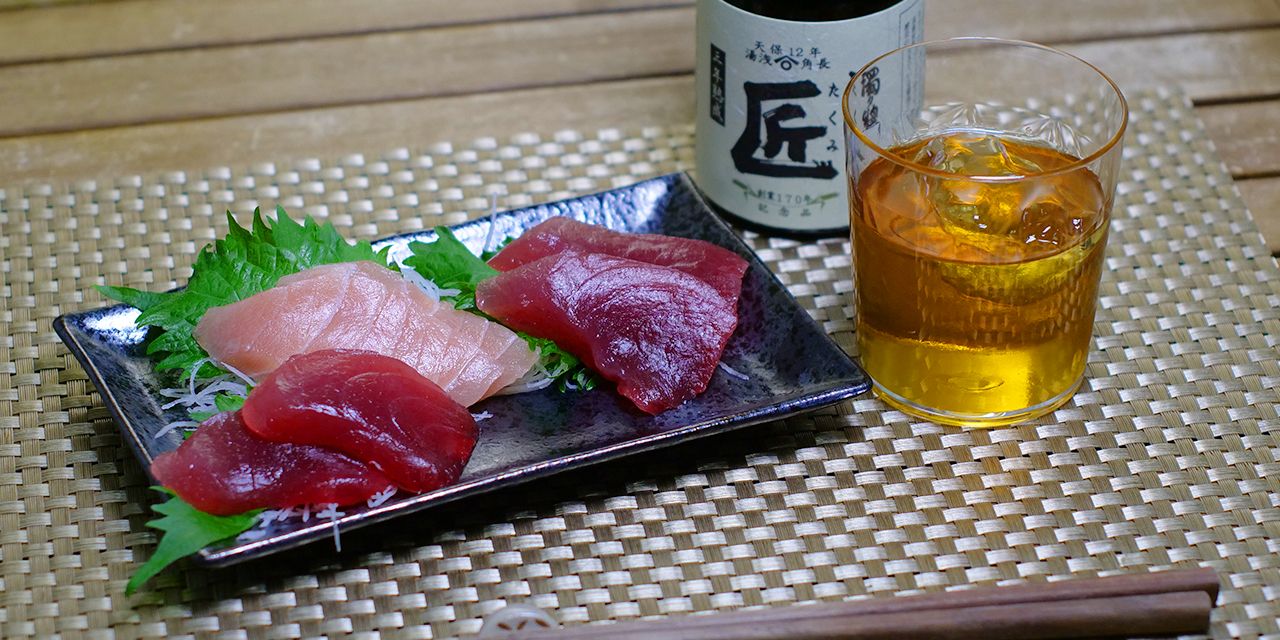
I sampled two perfect portions of fresh makajiki tuna, which has its season in winter, and Mr Wakiguchi recommended I try the tuna with a little soy sauce and chilli spice, called ichimi, instead of wasabi, over rice.

And with that, the time had finally come to enjoy a delicious feast from Wakayama! 

sashimi

I carefully poured out some shoyu from Yuasa, its deep, fruity aroma akin to the kinzanji miso it was born from, and dipped in a slice of maroon coloured tuna, lightly sprinkled with ichimi. The makajiki tunawas soft but had a slight springiness which is prized in Japan. The flavour of the fish was subtle and creamy. It complemented the salty flavour of the soy sauce while the spice added a little kick that pleasantly lingered on my tongue. Then I sipped a little of the umeshu from Minabe, feeling almost instantly relaxed as the warming liqueur went smoothly down. Savouring the meal, I felt gratitude to the people of Wakayama who had taken the effort over generations to maintain traditions resulting in such high quality and delicious food.

As the combination of flavours lingered, I thought back to my time living in Wakayama and hoped it would not be too long before I could try everything again. Happily, this would mean another trip to my beloved second home, with side trips to the beach at Shirahama, or a calm hike along the paths of the Kumano Kodo. The ideal way to work up an appetite, discover Japan’s natural beauty and experience its gastronomic heritage.


Paid and
Presented by:

Plan your gastronomic adventure around Wakayama

Experience Wakayama’s unique culinary culture and amazing natural beauty. Build your appetite by visiting the sacred Kumano Kodo Trail and Koyasan, a picturesque mountaintop complex. Try Buddhist temple stays, spiritual walks, traditional Buddhist practices and mouthwatering cuisine.

A commercial
production by
BBC StoryWorks