Koyasan: Where Art, Architecture and Tradition Meet - hero

Koyasan: Where art, architecture and tradition meet

WAKAYAMA PREFECTURE

Please always refer to the latest government advice before booking travel and departing on any trip.

Visit Wakayama Prefecture for the World Heritage temples of Koyasan and an array of immersive experiences. 

In the year 816, a monk called Kukai (posthumously Kobo Daishi) came across an eight-peaked mountain basin in what’s now Wakayama Prefecture and chose the site to build an inaugural temple for his newly established Koyasan Shingon sect of Buddhism. Called Koyasan, this centre of Shingon has since grown into a small mountainside town home to 117 temples and has become a major site of pilgrimage.
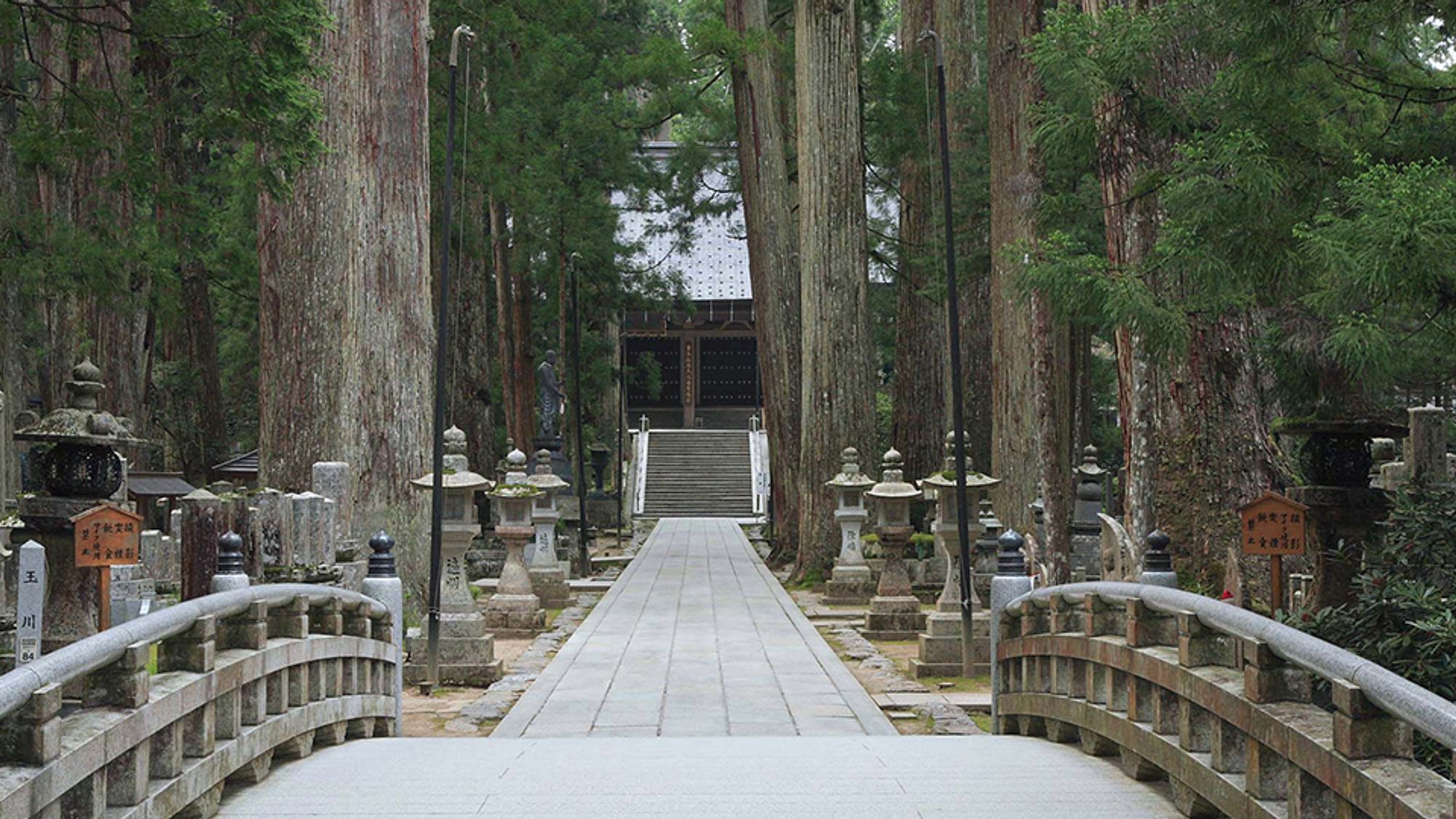
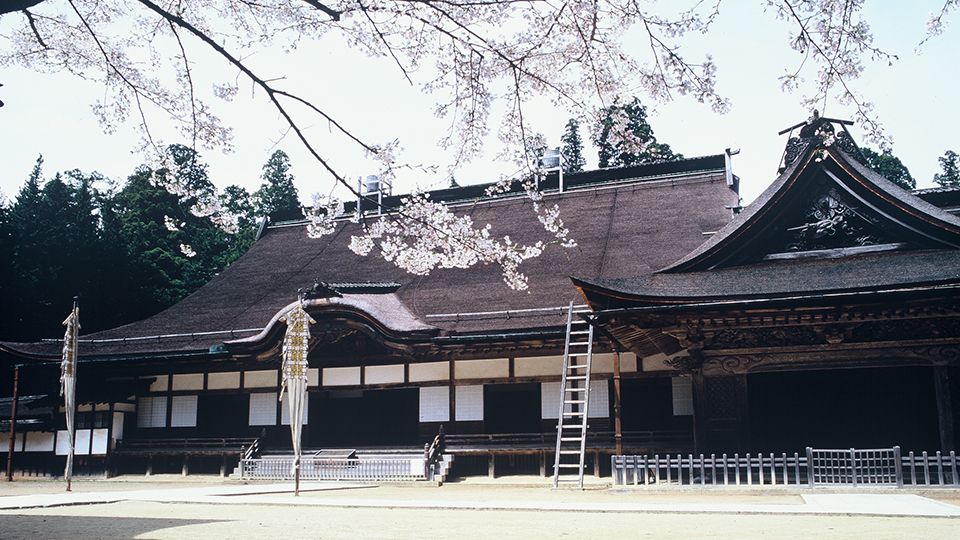
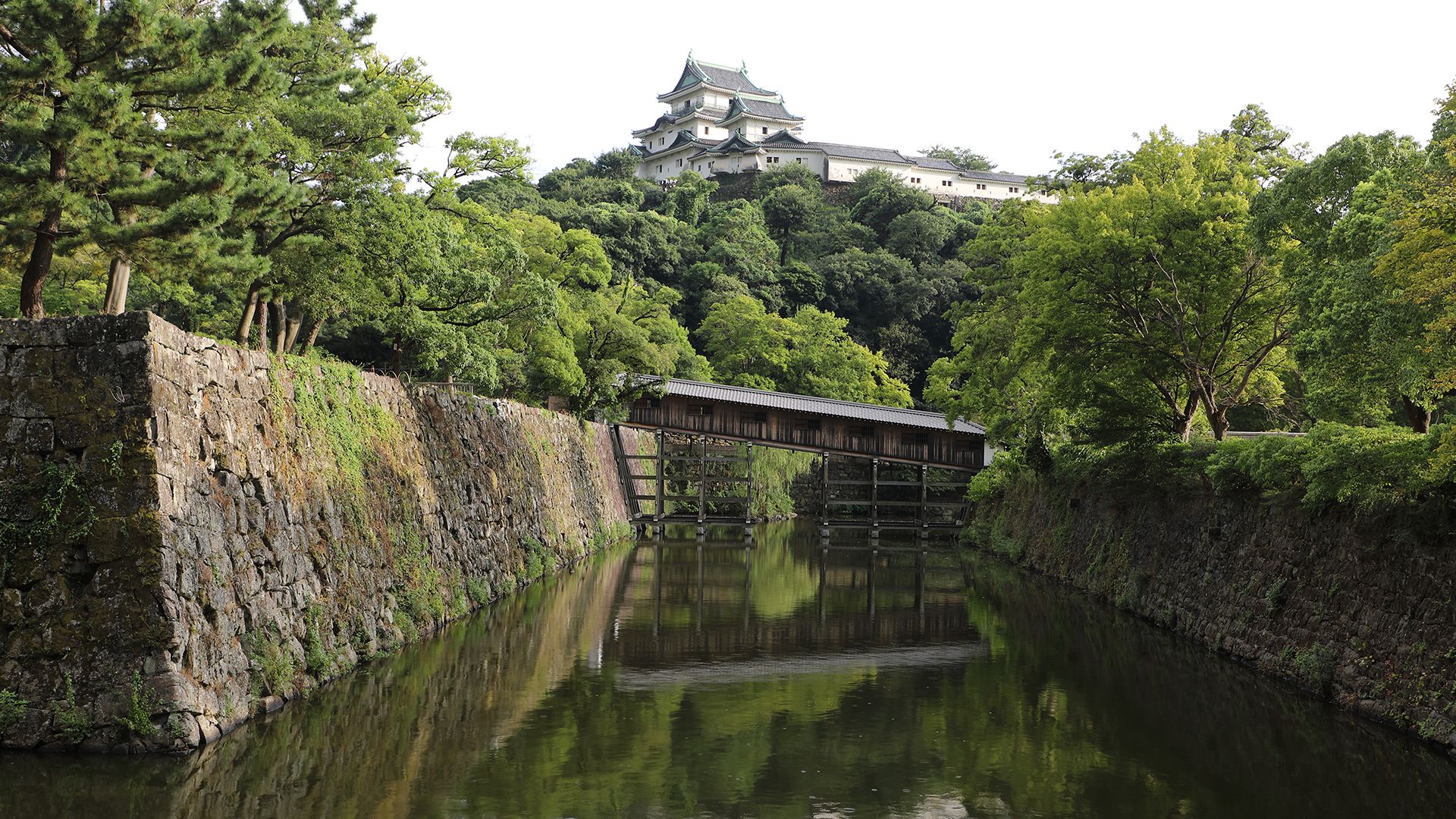
Koyasan is a small mountainside town in Wakayama filled with picturesque temples.Koyasan is a small mountainside town in Wakayama filled with picturesque temples.

For those who make the 90-minute rail journey south from Osaka, leaving the city behind for increasingly deep countryside before a cable car climb into Koyasan’s wooded mountains, Koyasan and its Unesco World Heritage sites offer visitors an unforgettable cultural experience.
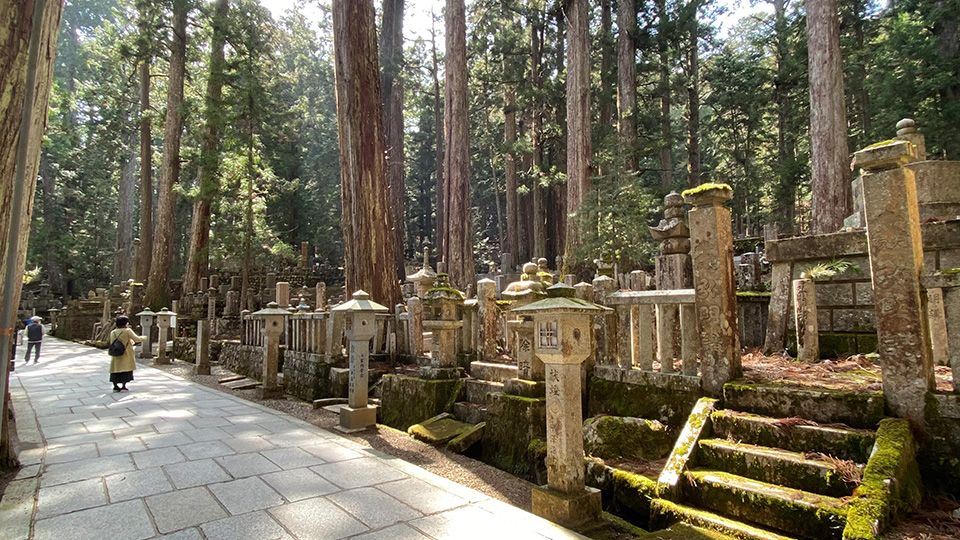
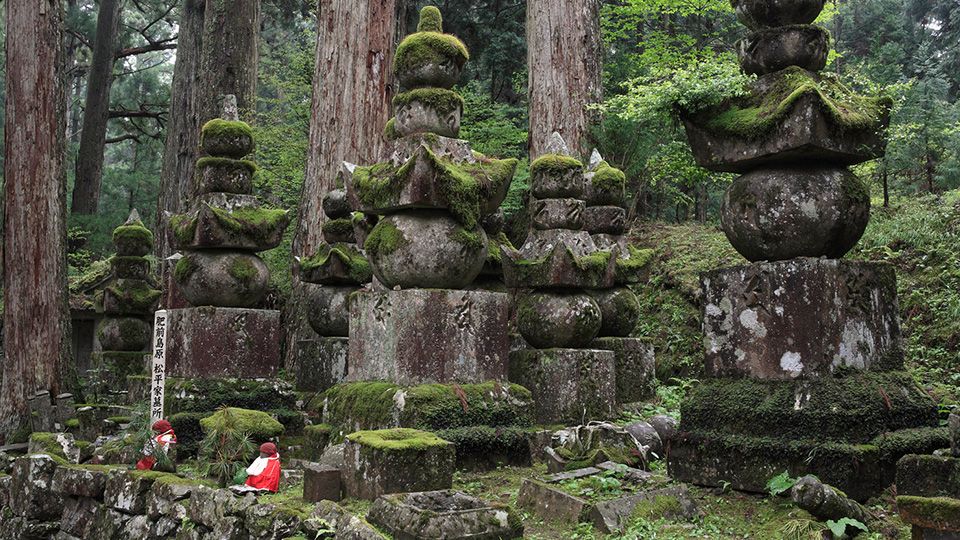
 

Whether trying meditation and plant-based shojin ryori cuisine during a temple stay or taking in the art and architecture of historic temples, there’s nothing quite like a trip to Koyasan.


A walk through Koyasan’s traditions

From May to July 2023, Koyasan and other locations around Japan connected to Shingon Buddhism will be marking the 1,250th anniversary of the birth of Kobo Daishi, with Grand Puja celebrations that will include large-scale rituals and processions. Planned activities include classical music concerts, a stamp rally and an event for children. While that promises to be a unique experience, don’t worry if you can’t get to Koyasan then: a visit to the sights and exploring the history of the home of Shingon Buddhism is special at any time.

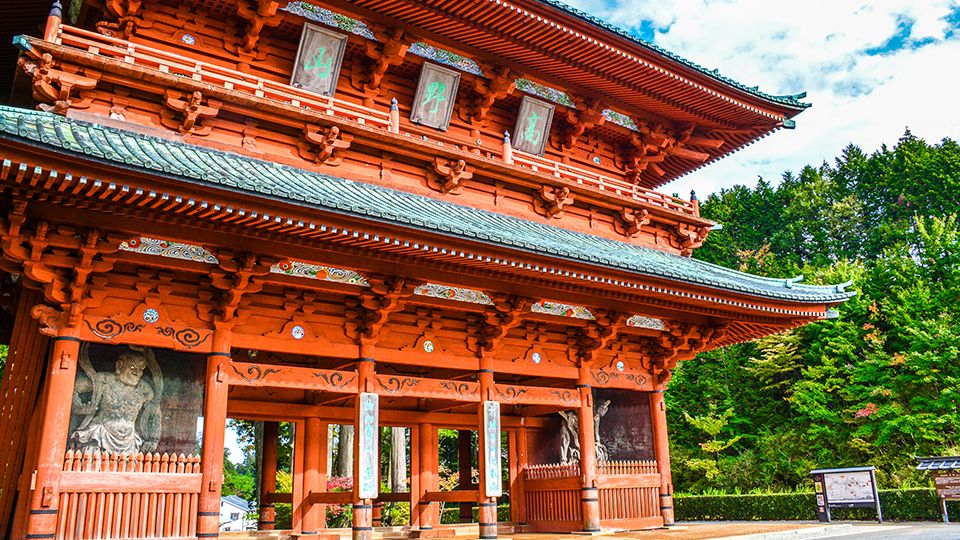
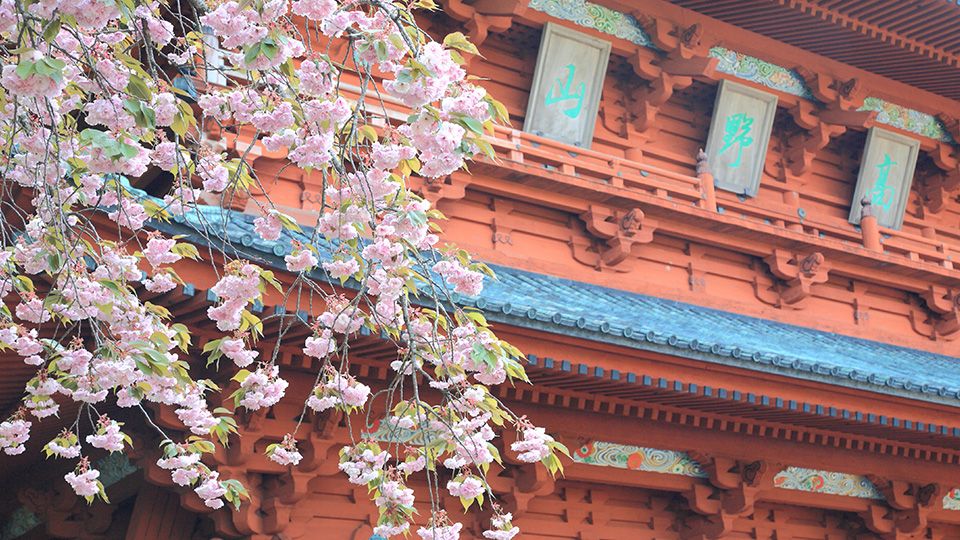
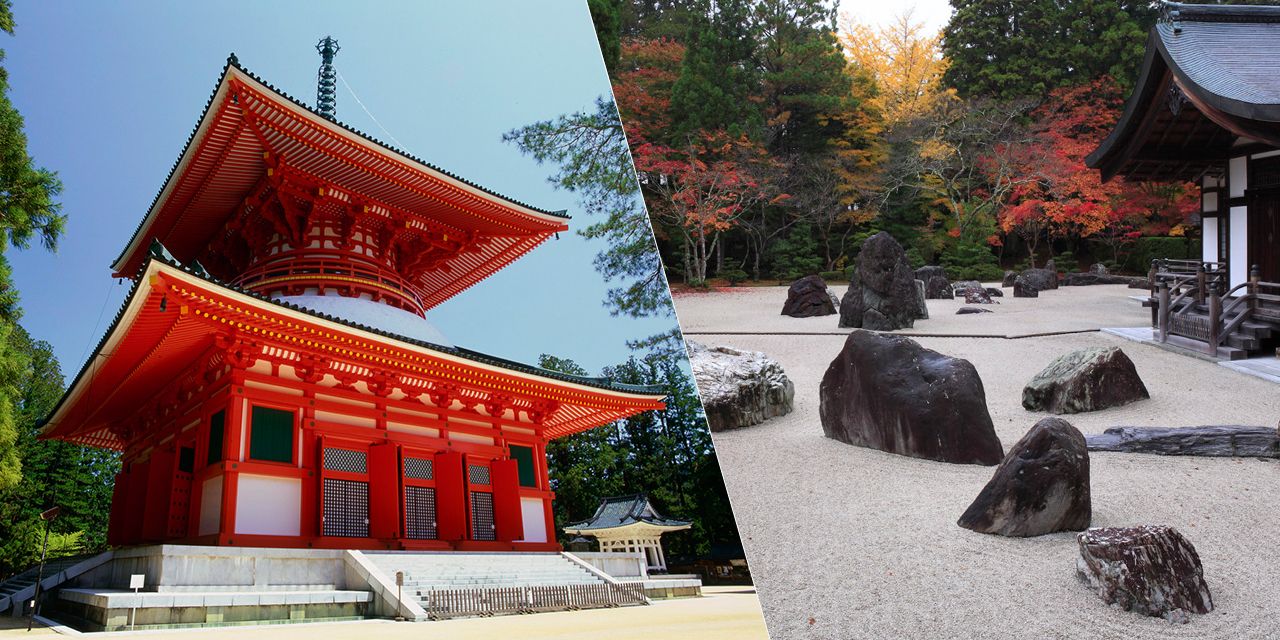
With most of the main sites clustered within a few kilometres of each other, Koyasan is compact enough that the best way to discover the town is on foot, slowly strolling between temples and other historic sites. Like many visitors over the centuries, you could start at the giant Dai-mon Gate, a 25.1-metre double-roofed gateway – flanked by two striking sculptures of stern-faced Nio Guardians – that marks the entrance to Koyasan, and then walk on to the Danjo Garan Sacred Temple Complex, a group of several structures with the 49-metre Konpon Daito Pagoda at its heart.


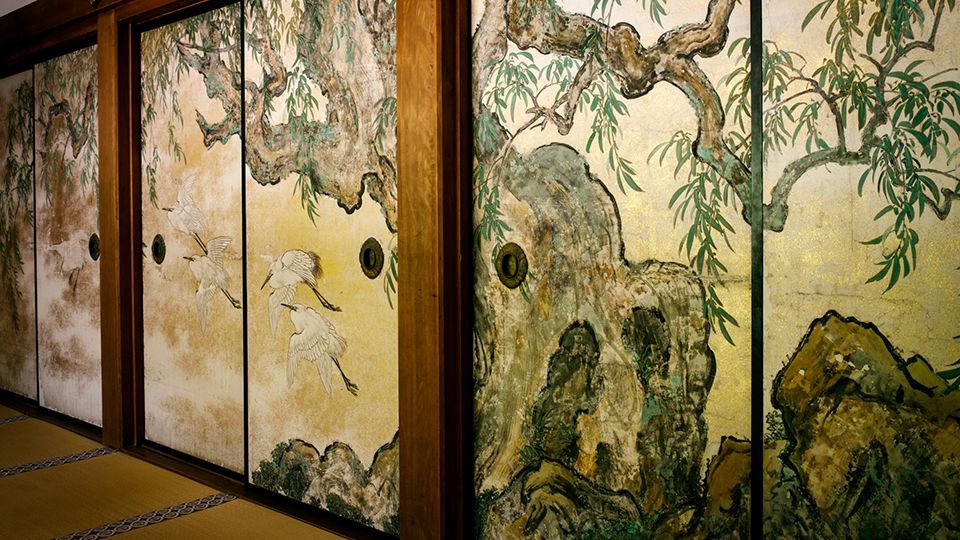
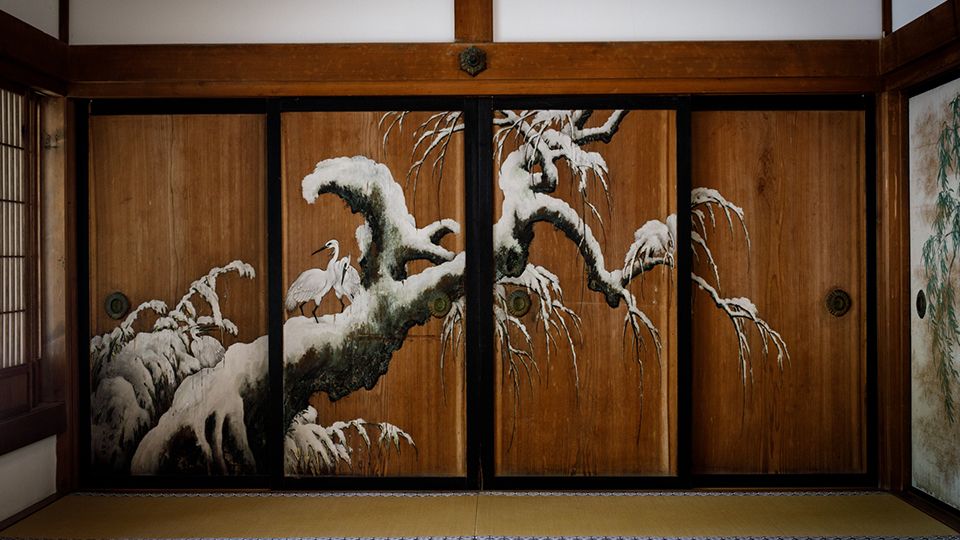
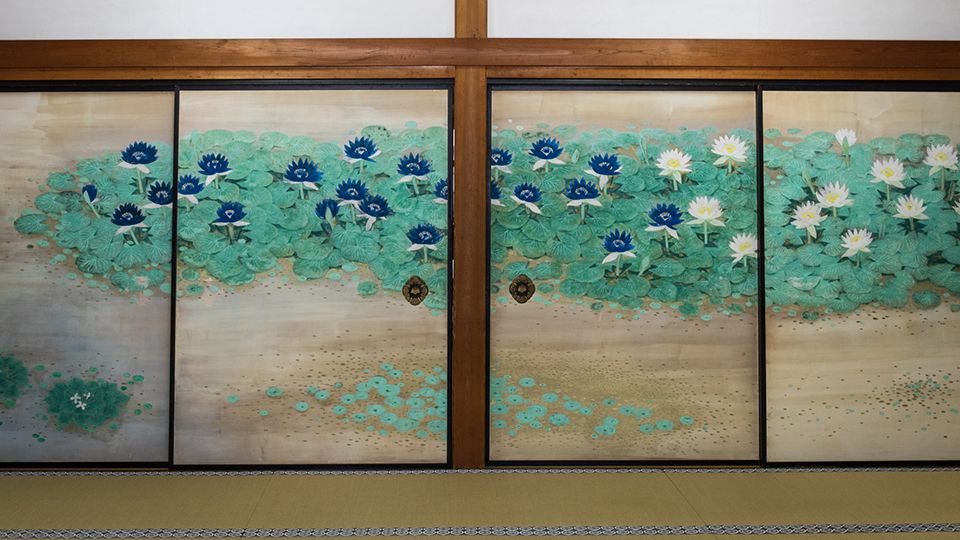
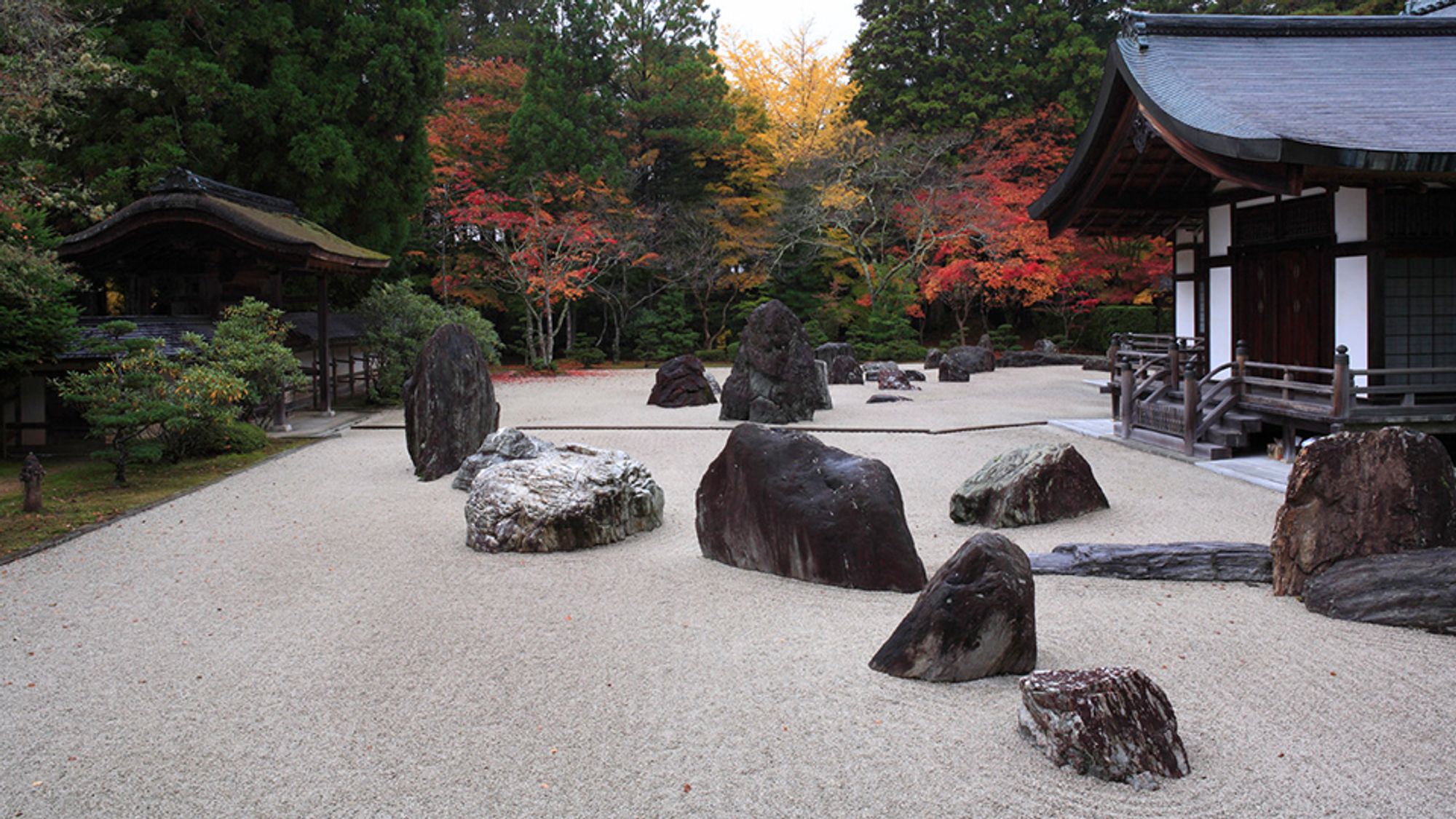
Now in the centre of Koyasan, you start to feel surrounded by tradition. Perhaps no more so than at Kongobu-ji Head Temple, a few minutes from the Danjo Garan. With its collection of fusuma (screen door) paintings and Japan’s largest rock garden – the Banryu-tei Garden – it’s a place that gradually reveals its secrets with a slow exploration, explains Kokan Nakamura, public relations spokesperson of Kongobu-ji Temple.


“If you stand on the walkway looking at the garden, you’ll see two sets of rocks [on the raked gravel],” Nakamura says. “They depict two dragons swimming in clouds – the nearest female, the one behind male – who act as temple guardians. You’ll also feel the garden differently each season. In autumn, it looks beautiful with red leaves, then in winter it changes appearance with snow.”

Kongobu-ji contains one of Japan’s largest rock gardens.Kongobu-ji contains one of Japan’s largest rock gardens.

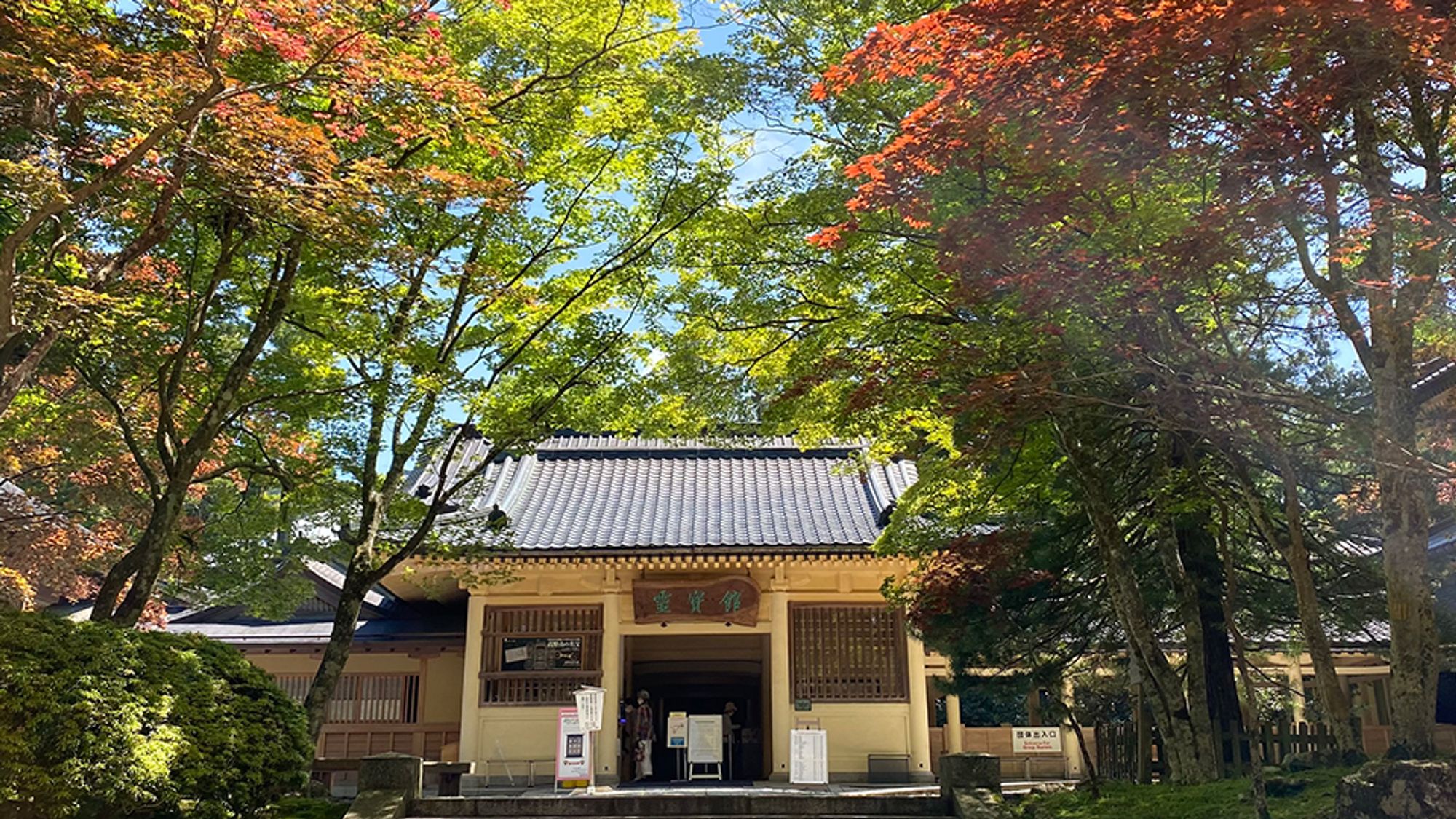
A few minutes away from Kongobu-ji Head Temple, you might spot a different style of historic design, with the art nouveau-influenced Koyasan University Library, the first Western-style building in Koyasan when built in 1929. While the library’s rare manuscripts aren’t accessible to travellers, Nakamura hopes visitors stop at the nearby Koyasan Reihokan Museum to appreciate its collection of priceless Buddhist sculptures, paintings, calligraphic scrolls and implements. Although not all on display at any given time, the 78,000-piece collection includes 21 National Treasures and 149 Important Cultural Properties, with some work dating back 1,000 years.

Reihokan MuseumA visit to the Reihokan Museum offers visitors a glimpse into Wakayama’s cultural heritage. Credit: © Koyasan Reihokan Museum

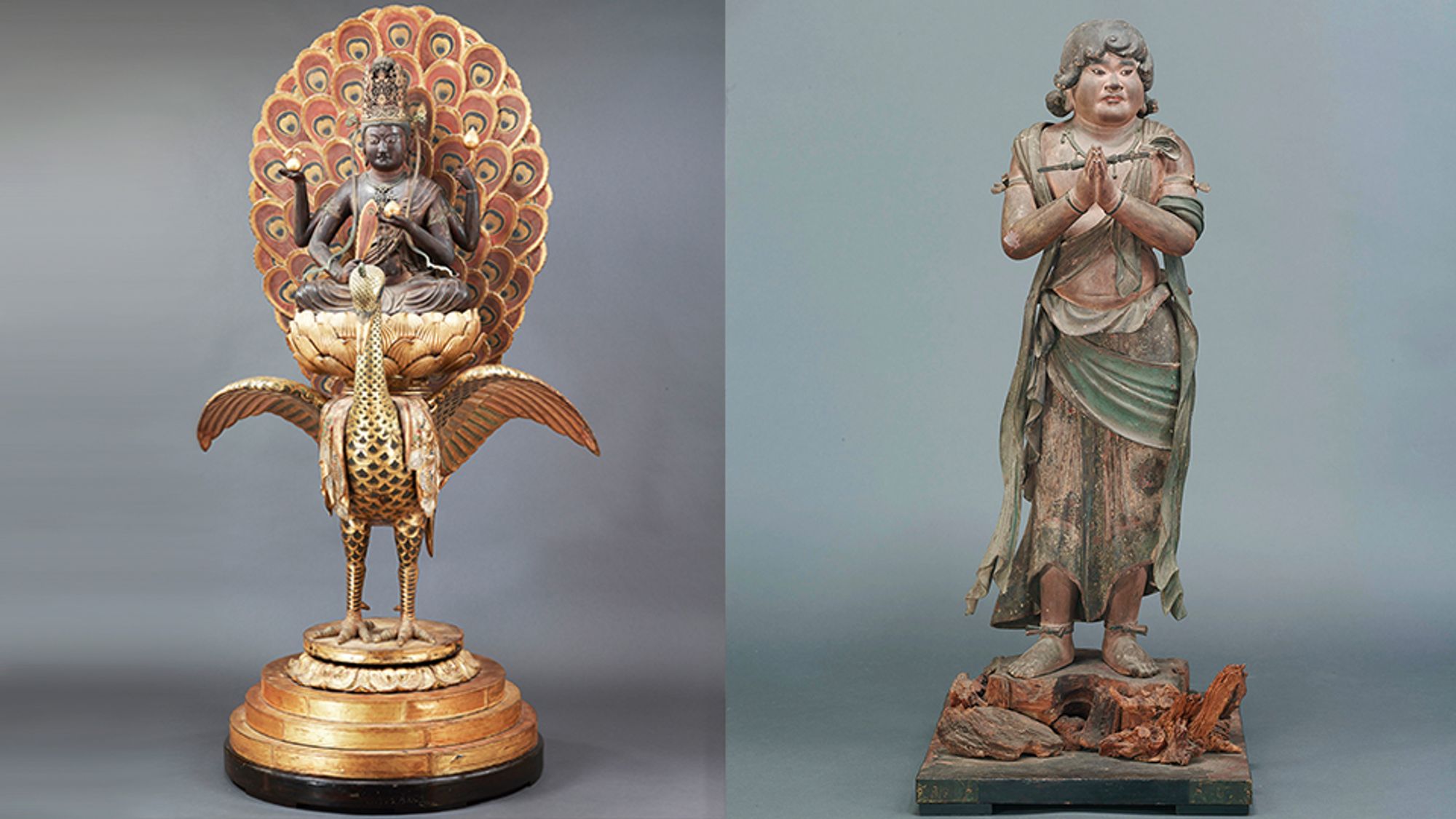
That includes work by two hugely influential Buddhist sculptors working in the 12th and 13th Centuries, Unkei and Kaikei. A leading light of the Kei school of sculpture, Unkei is known for giving his work a sense of realism. Meanwhile “Kaikei’s work has a strong three-dimensional effect and beautiful facial and physical features,” Nakamura notes. “The way the muscles are sculpted leaves you feeling the character’s strength.”

Kujaku-myo’o created by Kaikei (left) and Kongara-doji created by Unkei (right).Statues by Japan’s influential sculptures. Kujaku-myo’o created by Kaikei (left) and Kongara-doji created by Unkei (right). Koyasan Kongobu-ji Head Temple/©Koyasan Reihokan Museum


An immersive night at a temple

Exploring Koyasan is possible as a day trip from Osaka or Kyoto, but for an even more immersive experience you could spend a night at one of the Koyasan temples offering traditional temple lodging. Called shukubo, these temple accommodations typically feature private guestrooms with tatami mat flooring and futon beds: very similar in design to Japan’s traditional ryokan inns.      

But where ryokan offer a window into refined Japanese hospitality, Koyasan’s 51 shukubo provide an opportunity to calmly soak up the atmosphere of temple life, while trying the monk’s plant-based shojin-ryori cuisine and (depending on the shukubo lodging) activities such as ajikan meditation, sutra copying and goma fire ceremonies.

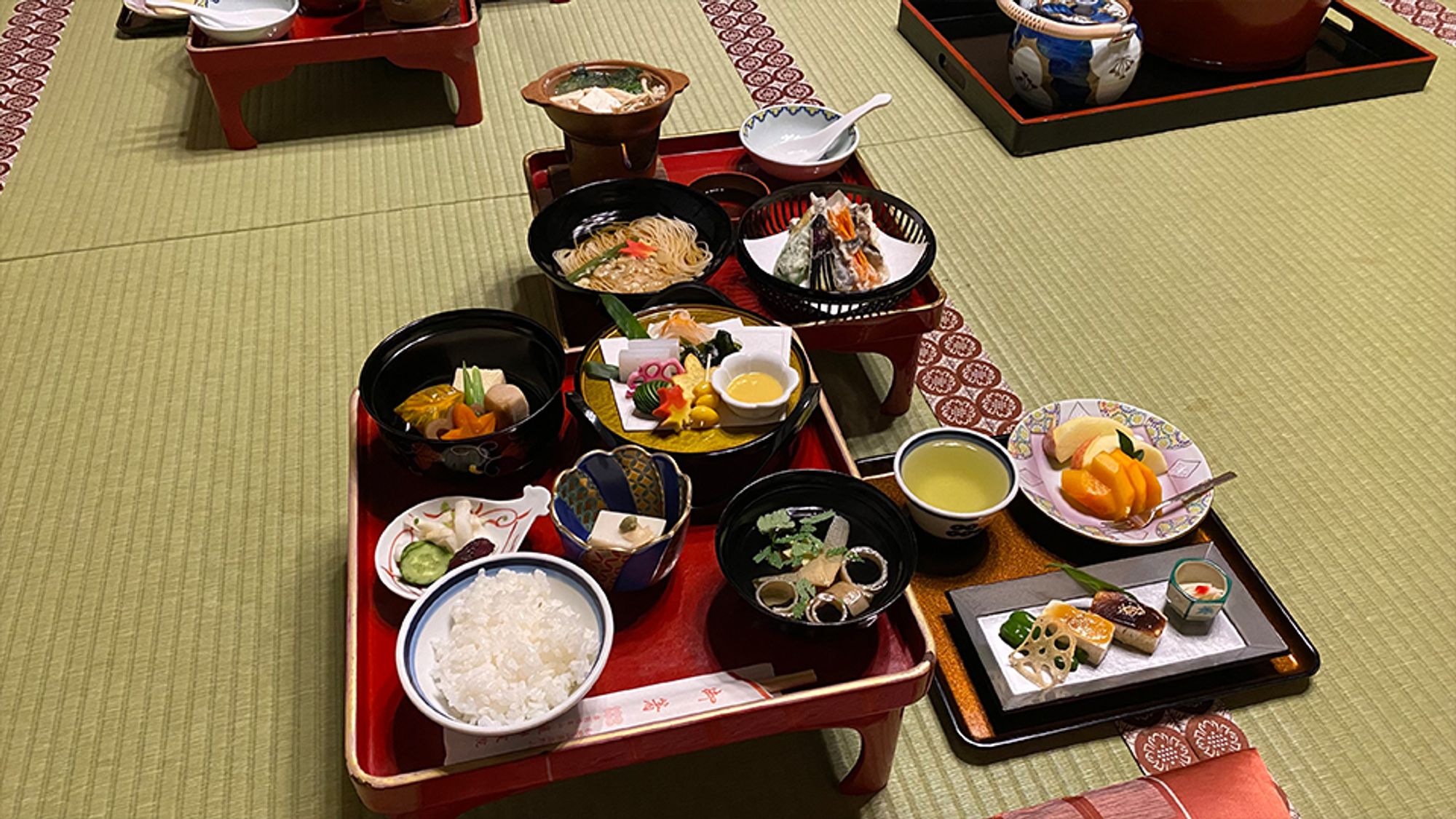
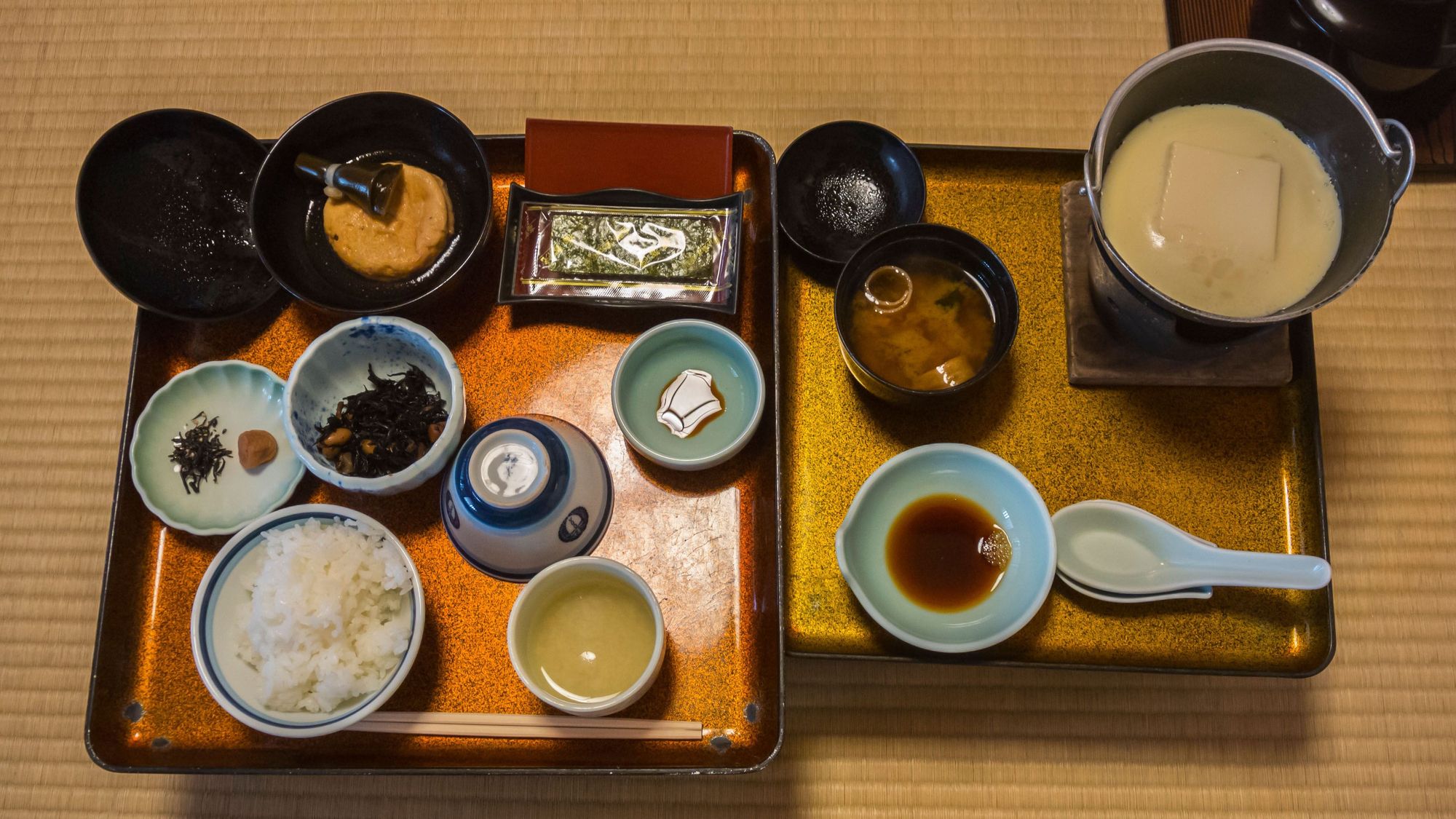
With the shojin-ryori, you’ll be sampling a style of vegetarian cuisine that’s been prepared by generations of Buddhist monks, using tofu, in-season vegetables, seaweed and wild edible plants to craft multiple small, yet prettily presented dishes. Subtly cooked to bring out the ingredient’s natural flavours, shojin-ryori has a simplicity that invites visitors’ careful consideration and a mindful appreciation.

Savour traditional vegetarian shojin-ryori cuisine during your stay.Savour traditional vegetarian shojin-ryori cuisine during your stay.

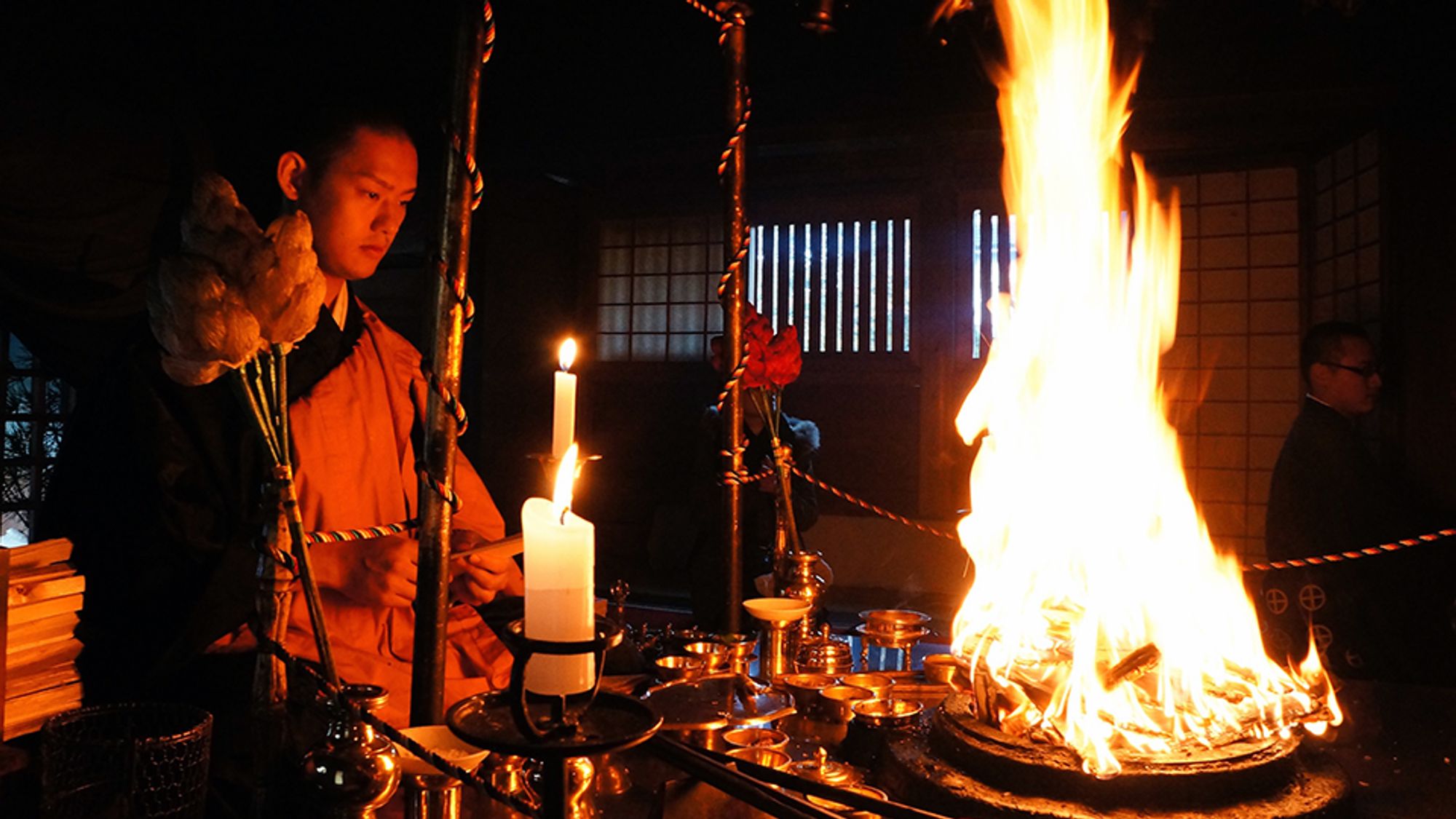
Such mindfulness is a common trait with optional temple activities, too. During an ajikan meditation session, you’ll sit cross legged and carefully control your breathing, which the monks believe expels negative energy and purifies the mind, while copying out the ornate calligraphy of sutra takes such focus that you can often become lost in calm concentration. If you’re staying at one of the temples that offers access to morning fire rituals (goma), you might be equally captivated by that spectacle: accompanied by drums and chanting, the goma sees a monk setting fire to a pile of sticks as part of a service said to send participant's prayers to the Buddha.    

Visitors may witness a morning fire ritual (goma) at some of the temple lodgings.Visitors may witness a morning fire ritual (goma) at some of the temple lodgings.

While a temple stay is an unforgettable experience in and of itself, you could also use the opportunity to go for an evening stroll around the vast Okuno-in, where a gently lit 2km pathway leads through ancient forest, passing some 200,000 memorial towers before reaching the mausoleum of Kobo Daishi. According to Shingon belief, he sits there in eternal meditation. It’s even worth going back in the morning to take in the moss-covered statues and memorials more carefully by light, and perhaps glimpse groups of robed monks or white-clad pilgrims on their way to pay respects to Kobo Daishi.

Be it art and architecture or immersive experiences, there’s so much to discover at Koyasan, it might be difficult to absorb all the intricacies in one go. As Nakamura says: “Koyasan is a town with 1,200 years of history, with traditional parts but also regular parts of town. One visit isn’t enough. I hope visitors will feel that they want to come back [to experience more of it].”


Paid and
Presented by:

Plan your gastronomic adventure around Wakayama

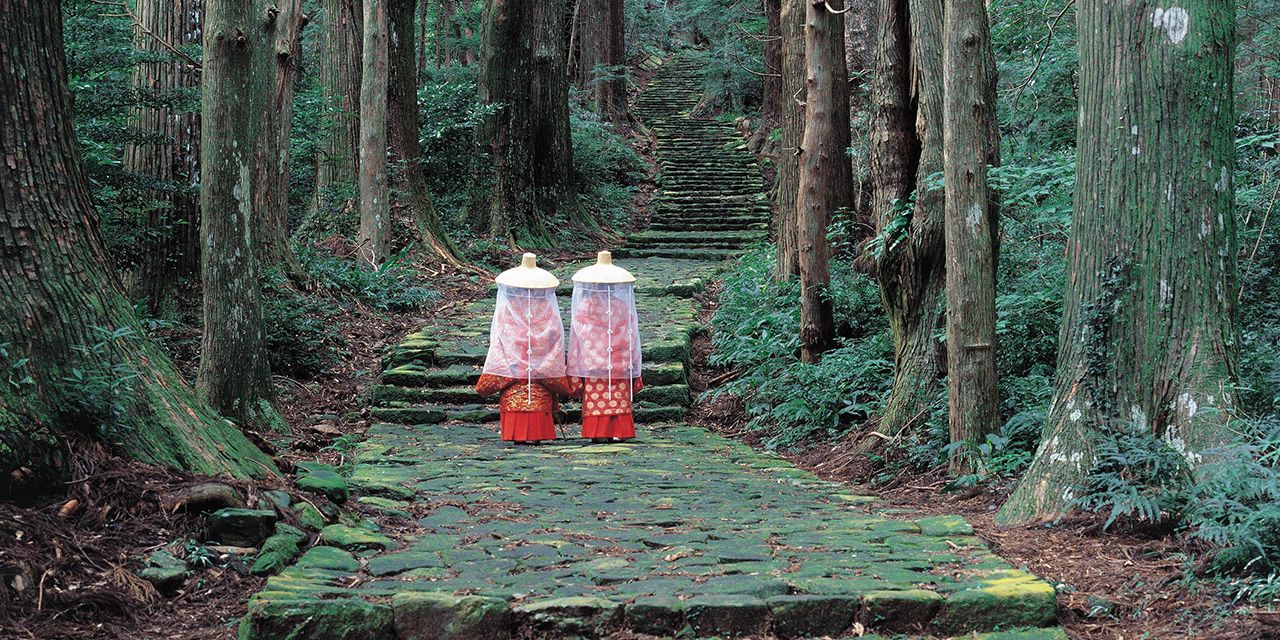
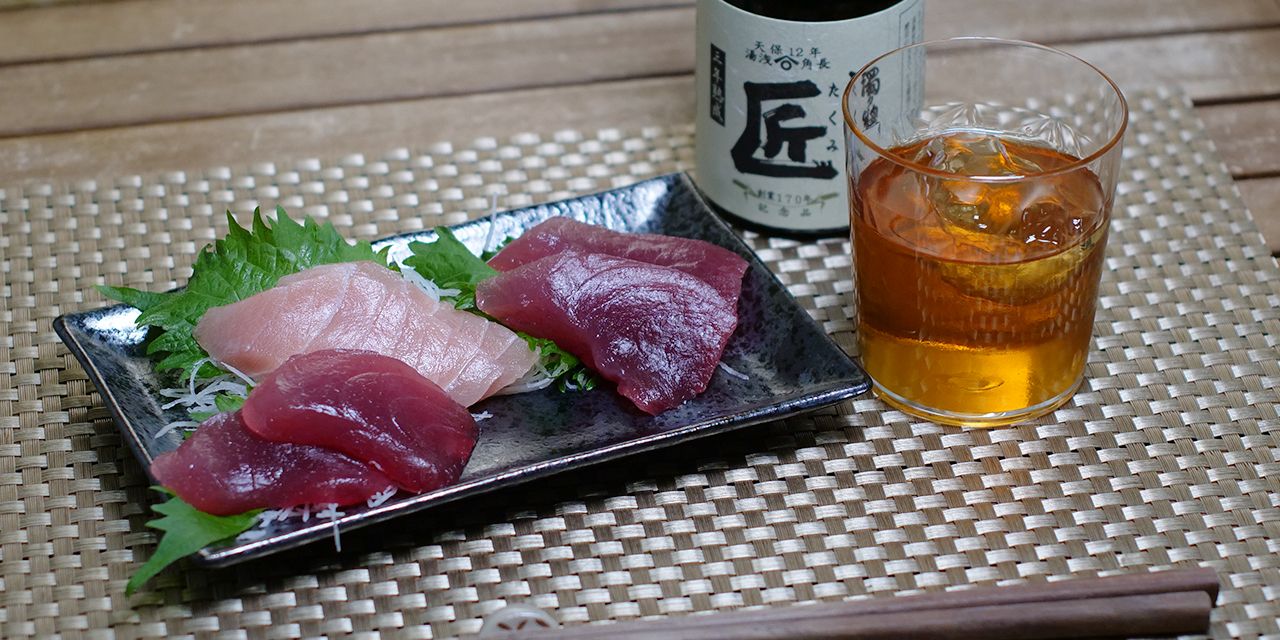
Experience Wakayama’s unique culinary culture and amazing natural beauty. Build your appetite by visiting the sacred Kumano Kodo Trail and Koyasan, a picturesque mountaintop complex. Try Buddhist temple stays, spiritual walks, traditional Buddhist practices and mouthwatering cuisine.

A commercial
production by
BBC StoryWorks