|
 |
 | | | You are in: Cricket: England |
|
| |  Tuesday, 16 July, 2002, 11:13 GMT 12:13 UK Tuesday, 16 July, 2002, 11:13 GMT 12:13 UK Fletcher points the way 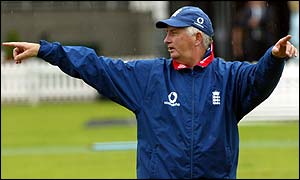 Fletcher has submitted his suggestion to the ECB
In his three years as coach of the England team, Duncan Fletcher has regularly demonstrated that success is achieved by guile as well as graft. And, as the prospect of burnout for international players increases with the burgeoning international schedule, it is Fletcher who can be trusted to come up with a way around the problem. Graham Thorpe announced his retirement from the one-day game citing too many matches as a major factor in his decision.
"I am sure that down the line there will be more problems for some people with the amount of cricket played," Fletcher said. "[But] It is important when we play, not how much. Why are we not playing Test cricket overseas in April and May or September and October? Then we can have time off in the winter." Australian model There is no opportunity for Fletcher's blueprint, already submitted for consideration by the England and Wales Cricket Board (ECB), to come into force in the near future. England will this winter undertake one of their most gruelling schedules ever, leaving home just a few days after the end of the Test series with India to take part in the ICC Champions Trophy in Sri Lanka. A five-Test Ashes tour of Australia follows, including as many as 11 one-day matches, before the team travel straight to South Africa for the World Cup.
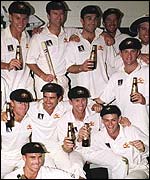
The 14-Test winning streak enjoyed by Steve Waugh's men took place over two seasons that followed the pattern. Australia began their 1999/2000 season with a three-Test series in Sri Lanka, losing a rain-hit encounter 1-0, playing a one-off Test in Zimbabwe before returning home to meet Pakistan just two weeks later. The domestic first-class season began in Australia on 15 October - the second day of the Test side's match in Harare. And the state sides still had two weeks of their season to complete when the Test side were on their travels again, beginning the first of three Tests in New Zealand on 11 March. There was then an eight-month break before the West Indies were put to the sword, providing all but the few players who joined English counties with plenty of time to recuperate. Calendars stretched England, by contrast, have tended to try and keep overseas international matches away from the county season, and provided players with short breaks just prior to and immediately following the English summer.
And he now sees no reason why they should not be on England duty elsewhere. Aside from the West Indies, who tend to play international matches from March to May, England are the only Northern Hemisphere Test nation. And until recently the Test calendar between April and September has been filled with dates in England. But the demands of the new ICC programme have seen seasons stretched worldwide, with Zimbabwe hosting tours throughout their winter, and Sri Lanka taking July and August, despite it being the rainy season. Australia have scheduled home Tests against Bangladesh in the north of the country in July and August 2003. According to the ICC, England are set to tour Sri Lanka, Bangladesh and West Indies in 2003/04 - venues that could be fitted to the Fletcher blueprint. Marketing requirements in Australia and South Africa may demand five Tests over Christmas and New Year. But, as Australia themselves have shown, those long, hard winter tours can be made the exception rather than the rule. | | See also:  15 Jul 02 | England 14 Jul 02 | England 15 Jul 02 | Sports Talk 13 Jul 02 | England 29 Apr 02 | Cricket Internet links: The BBC is not responsible for the content of external internet sites | |||||||||||||||||||||||||||||||||||||||||||||||||||||||||||||||||||||||||||||||||||||||||||||||||||||||||||||||||||||||||||||||||||||||||||||||||||||||||||||||||||||||||||||||||||||||||||||||||
|  | | | | | |||||||||||||||||||||||||||||||||||||||||||||||||||||||||||||||||||||||||||||||||||||||||||||||||||||||||||||||||||||||||||||||||||||||||||||||||||||||||||||||||||||||||||||||||||||||||||||||||
| |
|  E-mail this story to a friend E-mail this story to a friend |
| |
|
| | | ||
 | ||||
 | | Back to top
| ||
| ------------------------------------------------------------ BBC News >> | BBC Weather >> -------------------------------------------------------------------------------- © MMIII | News Sources | Privacy |