|
 |
 | | | You are in: Cricket |
|
| | Friday, 16 August, 2002, 10:43 GMT 11:43 UK Coaching in the era of video 
Few areas of cricket have advanced as much in recent years as the art of coaching. It was not so long ago the height of tactical invention was 20 laps of the boundary rope and 30 minutes in the nets. And some recent England team officials seemed to reckon a hearty rendition of a patriotic ditty, before bounding onto the pitch with a few Gazza-esque war cries was sufficient to flay hapless foreign foe. Like much of English cricket, we have come a long way since then: witness the appointment in April of Malcolm Ashton as England team analyst.
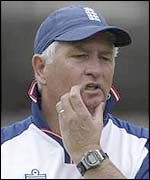
Impressed by advances in software and video technology, coach Duncan Fletcher had asked Ashton to undertake a detailed assessment of player performance during last winter's tours in India and New Zealand. Impressed by the results, the job quickly became full time. "We'd previously used the Cricstat monitoring system", Ashton said, "which allows you to log every ball for later use in a coaching and tactical environment." "However, in New Zealand, we saw a very sophisticated and more portable software package called Ecricket, which provides a feed of the play into a TV screen incorporated into my laptop. "I record this onto my hard drive and afterwards we can isolate each delivery, freeze the play and slow it down as far as 1/16th speed. "The system generates its own scorecard, so finding a particular delivery or passage of play is easy. Duncan and Nasser can then identify specific areas of a player's game to work on."
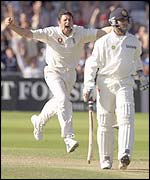
Ashton explained: "After the Trent Bridge Test, we sent copies to Michael Vaughan, Craig White and Mark Butcher as well as our two debutantes, Robert Key and Steve Harmison. "The software allows us to draw angles, so we can assess arm movement or the position of the feet. "For instance, with Steve Harmison, we've been analysing where he places his feet during the delivery stride, with the aim of correcting any faults and making him more efficient." Not all coaching strategies rely on such hi-tech tactics, a good example being England's recent successes against Sachin Tendulkar. Shrewd observations "Technology was peripheral there", said Ashton, "it was more down to an innate sense of tactics, shrewd observations and sticking to a strategy." The use of software packages is becoming commonplace on the county circuit too. Warwickshire skipper Michael Powell finds such systems invaluable. "They've made a massive difference," he said.
"It's a very unforgiving system in that it allows you to scrutinise a player's faults, leaving them nowhere to hide. "Nonetheless, as with any coaching programme, it's up to each individual as to how they respond to the information it provides." But is there a danger of information overload? Warwickshire batsman Mark Wagh said: "For a batsman the chance to watch a bowler you may not have faced before can be a boon. "However, too much analysis can also make you slightly paranoid. Ultimately, batting is as much about feel, balance, timing, rhythm and being in the right shape mentally as anything. "Often the subtle differences between a good and bad innings don't show up on film or computer print-outs." So, employed intelligently, video technology is a useful card in the modern coach's repertoire, but never better than the real thing. | |
Internet links:  The BBC is not responsible for the content of external internet sites Top Cricket stories now: Links to more Cricket stories are at the foot of the page. | ||||||||||||||||||||||||||||||||||||||||||||||||||||||||||||||||||||||||||||||||||||||||||||||||||||||||||||||||||||||||||||||||||||||||||||||||||||||||||||||||||||||||||||||||||||||||||||||||||||||||||||||||||||
|  | | | | | ||||||||||||||||||||||||||||||||||||||||||||||||||||||||||||||||||||||||||||||||||||||||||||||||||||||||||||||||||||||||||||||||||||||||||||||||||||||||||||||||||||||||||||||||||||||||||||||||||||||||||||||||||||
| |
|  E-mail this story to a friend E-mail this story to a friend |
| |
| Links to more Cricket stories |
| | | ||
 | ||||
 | | Back to top
| ||
| ------------------------------------------------------------ BBC News >> | BBC Weather >> -------------------------------------------------------------------------------- © MMIII | News Sources | Privacy |