|
 |
 | | | You are in: Cricket: England |
|
| |  Thursday, 5 September, 2002, 17:50 GMT 18:50 UK Thursday, 5 September, 2002, 17:50 GMT 18:50 UK Fielding revolution required 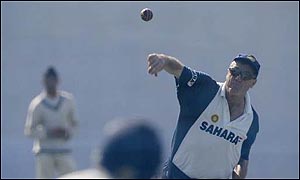 Evidence that John Wright takes fielding seriously
Watching India field on the first day of the final Test, it was as if cricket's limited overs revolution had never happened. Dropped catches, balls bouncing off knees and through legs, India looked more like a fourth form second XI than a crack international team. And when Anil Kumble allowed a tentative push from Michael Vaughan to trickle between his legs, thus gifting the England opener his century, coach John Wright must have been wondering why he bothers.
And it is no coincidence that Australia's meteoric rise to the top of the cricket rankings began after they started to transfer their high-octane, hustle-bustle approach from one-day internationals to the Test arena. England's Michael Atherton is just one player to vouch for the stifling effect Australia's professionalism in the field can have on a batsman. With every heroic stop in the covers, every successful dive on the third man boundary, every stooping save by the bowler, the pressure is increased. This is something most cricket sides now accept, but India have yet to take on board. Just as it is expected that an Indian side will be crammed with dashing stroke-makers, bewitching spinners and mediocre trundlers, it is also expected that their fielding will be ordinary at best, lamentable at worse.
And while there is little that can be done to increase the effectiveness of India's seamers, it is the cause of much consternation that their fielding never appears to improve. As a spectator, one sometimes gets the impression that India simply don't consider fielding an important part of the game, as if it is an irritating trifle to be endured before the fun stuff begins. When India's bowlers are being carted, as on the first day of The Oval Test, you can almost hear what the fielders are thinking: "If you serve up that sort of stuff, what do you expect us to do about it?" That the fastidious Wright has failed to instil the need for good fielding is all the more mystifying, although there can be little doubt that he tries and that he probably spends his evenings watching video replays and crying into his hot chocolate. One day, someone will convince Indian cricket that fielding is as important as the other two departments of the game, and when that day comes, the rest of the world had better look out. In the meantime, the Mark Waughs and Jonty Rhodes of this world will continue winning cricket matches in the field while Indians scratch their heads and wonder why. | |
| ||||||||||||||||||||||||||||||||||||||||||||||||||||||||||||||||||||||||||||||||||||||||||||||||||||||||||||||||||||||||||||||||||||||||||||||||||||||||||||||||||||||||||||||||||||||||||||||||||||||||||
|  | | | | | ||||||||||||||||||||||||||||||||||||||||||||||||||||||||||||||||||||||||||||||||||||||||||||||||||||||||||||||||||||||||||||||||||||||||||||||||||||||||||||||||||||||||||||||||||||||||||||||||||||||||||
|  |
|  E-mail this story to a friend E-mail this story to a friend |
| |
|
| | | ||
 | ||||
 | | Back to top
| ||
| ------------------------------------------------------------ BBC News >> | BBC Weather >> -------------------------------------------------------------------------------- © MMIII | News Sources | Privacy |