|
 |
 | | | You are in: Boxing |
|
| | Tuesday, 5 November, 2002, 18:08 GMT Big, not always beautiful 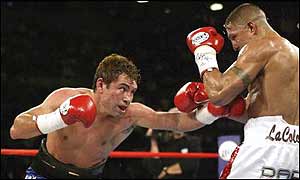 De la Hoya (left) - champion at five weights
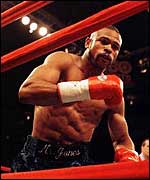
When you possess the kind of talent Roy Jones Jnr does, moving up in weight is the only way to keep the competitive fires alive. And the critics off your back. Untouchable in three divisions - middleweight, super middleweight and light heavyweight - the all-conquering American has come under fire for not switching to the cruiserweight or heavyweight divisions sooner.
The notion of a boxer gaining weight is not new to boxing. It has been going since the start of time, sometimes because of circumstance and sometimes because of design. During the early 1900s, opportunities for black fighters were limited. That meant the likes of Sam Langford fighting at any weight between lightweight (135lbs) to heavyweight (175lbs and above) in order to make any kind of living from his profession. Langford was an extraordinarily talented boxer and was more than capable of handling himself at any weight he chose to compete at. But, like many boxers, he continued for too long and suffered an injury that caused him to lose the sight in his right eye. Seven years later, he was completely blind. Nearer to the modern day, there are several examples of fighters who have added weight. Meldrick Taylor, a featherweight gold medallist from the 1984 Olympics, won his first world title at junior welterweight. That represented a jump of more than 10lbs. But he continued to pile on the weight, moving up another seven pounds to welterweight, where he won another world title. And it did not end there. He moved up again only to suffer a crushing defeat at the hands of Terry Norris, a man who fought at light middleweight for most of his career. In his next fight, Taylor dropped back down to welterweight, where he was matched against a giant welterweight in Crisanto Espana. With maybe a six inch reach advantage, Espana bullied Taylor all over the ring before stopping him.
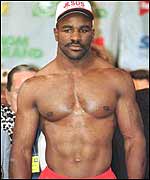
Holyfield won his bronze medal at light heavyweight before moving up to cruiserweight. Then, at the age of 26 and with his body struggling to contain his growing mass, he turned to the heavyweight ranks, where he enjoyed immense success. That is because his move to the unlimited class was done scientifically. He added weight gradually rather than in one massive leap. Likewise, De la Hoya has moved, seemingly effortlessly, from 130lbs to 154lbs, retaining his strength and avoiding any kind of beating. The question is whether Jones Jnr follows the same route. Does he put on weight and, in the process, sacrifice speed, or will he aim to do his best from his natural weight? Time will tell. | | See also:  21 Oct 02 | Boxing 21 Oct 02 | Sports Talk Internet links: The BBC is not responsible for the content of external internet sites Top Boxing stories now: Links to more Boxing stories are at the foot of the page. | ||||||||||||||||||||||||||||||||||||||||||||||||||||||||||||||||||||||||||||||||||||||||||||||||||||||||||||||||||||||||||||||||||||||||||||||||||||||||||||||||||||||||||||||||||||||||
|  | | | | | ||||||||||||||||||||||||||||||||||||||||||||||||||||||||||||||||||||||||||||||||||||||||||||||||||||||||||||||||||||||||||||||||||||||||||||||||||||||||||||||||||||||||||||||||||||||||
| |
|  E-mail this story to a friend E-mail this story to a friend |
| |
| Links to more Boxing stories |
| | | ||
 | ||||
 | | Back to top
| ||
| ------------------------------------------------------------ BBC News >> | BBC Weather >> -------------------------------------------------------------------------------- © MMIII | News Sources | Privacy |