| | | | | | | ||||||||||||||||||||||||||||||||||||||||||||||||||||||||||||||||||||||||||||||||
| | |||||||||||||||||||||||||||||||||||||||||||||||||||||||||||||||||||||||||||||||||||||
|
"Renew Muttur investigation" ICJ | |||||||||||||||||||||||||||||||||||||||||||||||||||||||||||||||||||||||||||||||||||||
The International Commission of Jurists (ICJ) is calling the President of Sri Lanka to renew the investigation into the killing of 17 aid workers in Muttur in August 2006.
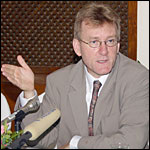
Secretary-General of ICJ Nicholas Howen told BBCSinhala.com that key material evidence had been tampered with. "What we know is that someone has removed a bullet and replaced it with another," he said. Bullets 'removed and replaced' The secretary general says that forensic evidence shows that a 5.56 mm bullet found in the head of one of the victims has been replaced with a 7.62 mm bullet. "5.56 mm bullets are used in M-16 rifles that some Sri Lanka security forces use," alleges Nicholas Howen. He also said, "such a weapon can be stolen or purchased by someone unknown".
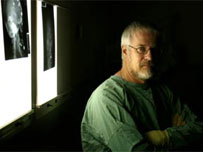
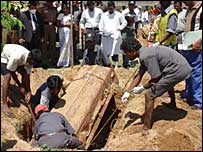
The bullet riddled bodies of Action Contre la Faim (ACF) workers were examined by Sri Lankan and Australian forensic experts in October 2006. ICJ says that Australian pathologist Dr. Malcolm Dodd and Judicial Medical Officer of Anuradhapura Dr. Dhananjaya Waidyaratna who carried out the post mortems in October last year recovered eight bullets from seven bodies. 5.56 or 7.62? The bullets were later sent to the government analyst for further investigations.
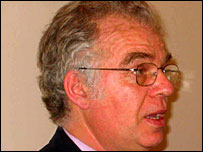
British Barrister Michael Birnbaum QC an international observer who the ICJ says, have made "a detailed analysis of all the forensic reports now available related to the killings" has expressed "serious concerns over the continuity and integrity of the transmission of the ballistic exhibits". While Dr. Dodd found that one of the eight bullets was of 5.56 calibre, the government analyst has concluded that all of the bullets are of 7.62 calibre.
Investigate 'swiftly' ICJ secretary general says that "there is a very important discrepancy," in the ballistic evidence. "This needs to be swiftly investigated," he said. Speaking to BBC Sandesaya on Tuesday, President of Centre for the Right to Life and Democracy, Chandrapala Kumarage said that there are instances where, "the chain of transmission of evidence can be tampered with".
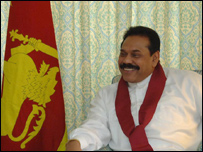
The ICJ Secretary General who met the Sri Lankan President Mahinda Rajapaksa in Geneva on the 14th of June has brought this concern to the president's attention. "We both agreed that those who are responsible for appalling killings such as these should be brought to justice," said Nicholas Howen. Commission responds Head of the presidential commission inquiring the Muttur killings, who accepted that evidence could be tampered with, told BBC Sandeaya that the commission has an obligation to conduct new investigations if there are discrepancies in different reports. Justice Nissanka Udalagama added, "the commission was initially appointed due to shortcomings in the police investigations". | LOCAL LINKS  Murder probe 'not impartial' Murder probe 'not impartial'23 April, 2007 | Sandeshaya Aid workers bodies exhumed18 October, 2006 | Sandeshaya | |||||||||||||||||||||||||||||||||||||||||||||||||||||||||||||||||||||||||||||||||||||
| ||||||||||||||||||||||||||||||||||||||||||||||||||||||||||||||||||||||||||||||||||||||
| ||||||||||||||||||||||||||||||||||||||||||||||||||||||||||||||||||||||||||||||||||||||