

 |  |
© SCRAN | |
|
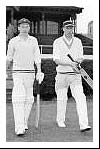
Mike Denness was born in Bellshill in 1940 and he picked up the sport after his family moved to Ayr, whose ground was just along the road from his house, in the shadow of Burns' Cottage. It was obvious from his displays at club level that he was someone destined for greater heights, and it was no surprise when he won his first of ten Scottish caps when still only 18 in 1959.
A move south to turn professional in England was obviously on the cards, and only three years later, at the tender age of 21, Denness was on his way to Kent, a county he was destined to serve for fifteen years of a long and distinguished career, becoming captain in 1972.
This period, the turn of the 1970s, saw Kent as a dominant force in English County cricket, and with the suave, elegant Scot at the crease Kent began to collect trophies, starting with the Gillette Cup in 1967. Once Denness took over the captaincy, the trophies started to add up at Canterbury, with another Gillette Cup, a Benson and Hedges Cup and three One Day League trophies being joined in the trophy cabinet by the 1970 County Championship. Personal recognition of these achievements came in 1975, when Denness was announced Wisden Cricketer of the Year.
His club success continued after he moved to Essex in 1977, with another County Championship win in 1979 at the tail end of Denness's career.
However, despite all his successes at County level, it is for his exploits as an international that Denness will always be remembered. Leaving behind the limited international opportunities of his home nation, Denness gained his first cap for England in 1969 facing up to New Zealand at the Oval. With his excellent batting and fielding abilities it was not long before he became a fixture in the English one day and test sides.
In his international career Denness was to amass 28 caps, but it is for one spell in the mid 1970s that he will always be remembered. In 1973, Ray Illingworth was dismissed as England captain, and the selectors decided that in the elegant right hander, Denness, they had the perfect replacement. The man from Ayr followed in the footsteps of “Bodyline” captain, Douglas Jardine from the 1930s and became a Scot captaining England.
Page: 12





