BBC HomeExplore the BBC
This page has been archived and is no longer updated. Find out more about page archiving.

16 October 2014

BBC Homepage
Scotland

Education Scotland
»Rivers
Hydrological cycle
Drainage basins
Hydrographs
Questions


Contact Us


Hydrological Cycle
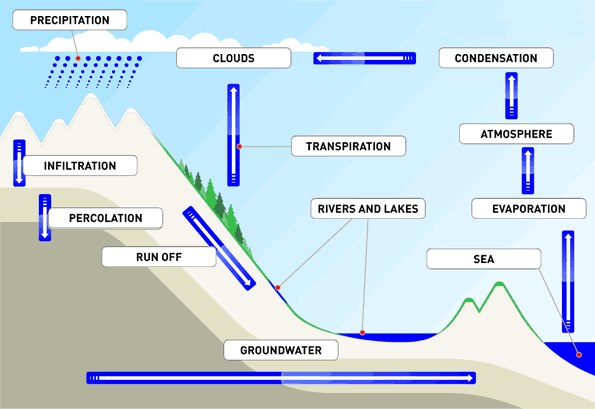
The global hydrological cycle explains the distribution of water as it moves as either a liquid, solid or vapour between the ocean, the atmosphere and the land. The total amount of water in the cycle is always the same; no water is added or lost. This is a good example of a closed system. The diagram shows the various stages of the hydrological cycle. Drag and drop the labels onto the correct stage in the cycle.
Diagram of the hydrological cycle
The hydrological cycle is powered by solar energy. The sun heats water from the ocean, lakes, rivers and the Earth’s surface. This water then evaporates into the atmosphere. Additional water is drawn from the soil by plants, and is then evaporated into the atmosphere from leaves and stems. This process is called transpiration.

As the air rises and the temperature drops, the moisture-laden air condenses, forming clouds and eventually resulting in precipitation in the form of rain or snow. Surface run-off makes its way back to the ocean via rivers. Other water seeps into the soil. This process is called infiltration. If the rock below the soil is permeable, then the water percolates the rock and is stored as groundwater.


About the BBC | Help | Terms of Use | Privacy & Cookies Policy