  Australia has a very multi racial society with migrants coming from over 150 different countries. The largest group comes from the United Kingdom (5.5%). Australia's nearest neighbour, New Zealand, supplies the second largest group of migrants (1.9%), then Italy (1.2%), Greece, Turkey and Germany.
The majority of people in Australia live in the large cities on the coast although, in the past twenty years, there has been a higher rate of growth in the population in traditionally more remote areas like Queensland and Western Australia. It was once said that 90% of Australians lived within 25km of the coastline.
There were five times more people living in Australia at the end of the 20th century than there had been at the beginning. Natural increase was the main source of the growth, contributing two thirds of the total increase. This tremendous growth has been added to by the numbers of people who have moved with their families to Australia.
Immigration
When Australia had a labour shortage it encouraged in-migration.
Between 1946 and 1972 the Australian Government targeted workers from the United Kingdom and other northern European countries. They were encouraged to move to Australia as “assisted migrants” with the aid of a £10 single ticket, the promise of a higher standard of living and the chance to make a new life in a growing country. Over a million Britons took advantage of this scheme.
Australia has turned away from the "White Australian" policy, which was implicitly racist, and now encourages cultural diversity. Since 1978 potential migrants have been treated on the basis of skills and qualifications. In the past thirty years, Australia's population has been increased, with the addition of economic migrants from countries like Vietnam, India, South Africa and Hong Kong. A much higher standard of living and excellent employment prospects have been the main attractions.
Immigration has been a significant source of economic growth for Australia. The majority of people moving into the country were “high achievers” and people who were prepared to work exceptionally hard to carve out a life in a new country.
Internal migration Some parts of Australia appear less attractive to live in than others. People flock to Sydney and Melbourne but other cities, like Adelaide, have been struggling to bring in workers. The South Australian Government's “regional visa scheme” was launched in 2004, designed to attract workers in construction industries, medical sciences and the professions.
Foreign Australians According to the 2001 census almost 22% of people living in Australia were born overseas and fewer than 40% stated their ancestry as Australian.
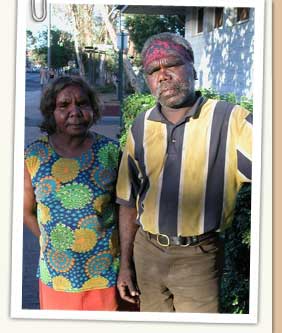
Indigenous population Collecting data from indigenous people presents challenges. Within the Aboriginal community there are numerous distinct languages and cultural groupings. Several languages are spoken. The population is also highly mobile, moving between communities and into urban areas for varying periods of time. These circumstances mean more census takers are required (one for every ten households) than in non indigenous areas. The Australian Census authorities try to use local people to collect the data.
False data Before the 2001 census, people with email received anonymous invitations to become Jedi knights. As a result, the census revealed a very surprising result. More than 70,000 people (0.37% of the population) wrote Jedi as their chosen religion. Stating false information in official documents is considered fraud and is legally prosecuted.

|