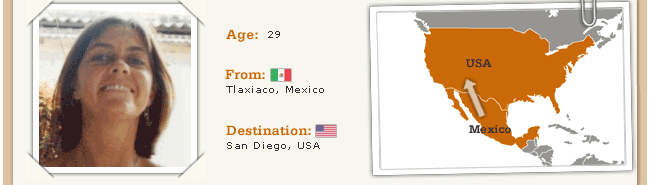
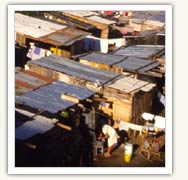
 |  | |  |  | Christina comes from a small town in south Mexico, where she taught for two years until 1999, when an earthquake badly damaged the school and it had to be closed. At that point, she decided to try and make a new start in the USA. Her dream was to cross into San Ysidro, go on to San Diego and make a better life for herself. She travelled north by bus to Mexico City and stayed with her uncle while she raised some cash. She did odd jobs in restaurants and cleaning and saved enough for the bus fare north to Tijuana, on the Mexican US border. She stayed in a small shanty town close to the border. Conditions were very poor in the shanty town, with no proper sewage system. She had to cook over an open fire and collect water from a standpipe. Christina and four friends made three attempts to cross the border illegally, at Tecate, where there was no fence. On each occasion they were caught and returned. Eventually, they did make it safely to San Diego County but only with the help of a smuggler (coyote). Each of them paid him $6000 to help them get into the US. It's been three years since she made her move. |
 |  | Christina had no family to take with her or to force her to reconsider her decision to move. Her parents are both dead. She has two married, older sisters and a younger brother, Paulo, who works on a farm in Southern California. He left home to work for six months, but never came back. Tlaxiaco is a small town with very few jobs and more and more of the younger people have been migrating away from the town. Virtually every family Christina knows has two or more relatives living and working in Mexico City or the United States. Mexicans make up the largest group of foreign born immigrants in the US. There are about ten million of them. |
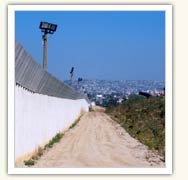
 | 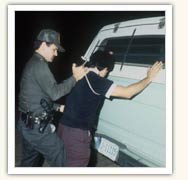 | Christina really worried about the journey north. They would have to get over a 10 foot high steel wall and past the border guards with dogs, lights, motion sensors and helicopter patrols. Migrants often drowned in the All American Canal which runs parallel to the border. They would be easy to apprehend while they were crossing open country. And she'd heard horrific stories about migrants dying of heat in the desert. Christina had read in the papers that more than four hundred migrants had died in the four years up to 2000. |
 |  | Since she migrated illegally to San Diego Christina has been cleaning houses. Now she has a better job as a live-in housekeeper cum nanny, earning $45 a day. This is better than the average pay for migrants, who can earn as little as $3 an hour. (The official Californian minimum wage is $6.75 an hour). She's earning much more than she would have as a teacher in Mexico. Her employer is an executive in an electronics factory and his wife works as a personal assistant to the head of a recruitment agency. Christina looks after the two children and, once she's taken them to school, has to do cleaning and laundry before she gets a couple of hours to herself. In the afternoon she has to prepare the evening meal. Most evenings she has free. Christina says she'll never move back to Mexico. She'd like to be able to visit her sisters but makes do with keeping in touch by phone. She has no intention of trying to contact her brother. |

| |
|