Parents/Guardians
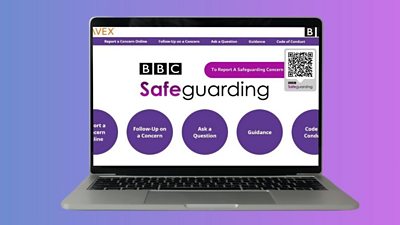
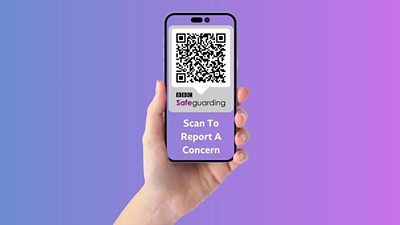
Report A Concern
How the BBC Keeps Your Child Safe
The BBC must safeguard every child involved in its work. This responsibility comes from the Children Act 1989, the Children Act 2004, Working Together to Safeguard Children and the BBC Safeguarding Policy.
You can expect the BBC (or those working on behalf of) to:
- Carry out safeguarding risk assessments before your child takes part.
- Put suitable chaperone or licensing arrangements in place.
- Make sure staff working directly with children follow safer recruitment requirements.
- Create a safe environment on set, on location, during travel and in any online activity linked to the production/event.
- Act immediately if a child might be at risk.
- Escalate concerns to the BBC Safeguarding Team or statutory agencies when needed.
If something does not feel right, you should ask questions. You can also report concerns directly to the BBC Safeguarding Team.
Before Your Child Takes Part
You should receive clear information before you agree to involvement.
You can expect:
- A full explanation of the project and your child’s role.
- A discussion about potential online attention or public visibility.
- Details about chaperoning, licensing and supervision.
- Information about travel, filming times and breaks.
- How to contact the Safeguarding Team.
You may want to ask:
- How will you keep my child safe?
- What are the specific risks for this project?
- What happens if my child becomes upset or wants to stop?
- Will any content be shared online or on social media?
- How will you manage comments or online attention after broadcast?
During Production
Children must be supervised at all times by an approved chaperone or licensed professional, depending on local authority requirements. Please note, the BBC does not advise parents to be on set with their child unless stipulated by the local authority.
The production should:
- Check in regularly with your child.
- Give breaks, rest periods and access to food and water.
- Make sure your child feels respected and heard.
- Explain what will happen and allow questions.
- Take immediate action if your child appears distressed, confused or uncomfortable.
If you see anything that worries you, speak to the production team or the Safeguarding Team.
After Broadcast or Publication
Children involved in public content can receive attention online. Some may find this exciting. Others may find it stressful.
Help keep your child safe:
- Review privacy and security settings together.
- Talk openly about comments, followers and messages.
- Encourage your child to tell you if something makes them uncomfortable.
- Remind them not to reply to strangers or negative comments.
- Block and report harmful or inappropriate behaviour.
If someone targets your child online, you can contact the BBC Safeguarding Team. In serious cases contact CEOP or the Police.