


The 60s Year by Year
1960 : 1961 : 1962 : 1963 : 1964 : 1965 : 1966 : 1967 : 1968 : 1969
10 March: Publication of the first UK singles Top 50 and album record charts
21 March: Sharpeville massacre in South Africa. 69-70 people were killed in a black township when police fired on blacks peacefully demonstrating against the Pass Laws, which compelled black South Africans to carry ID Cards.
26 March: The first transmission of The Grand National on BBC TV
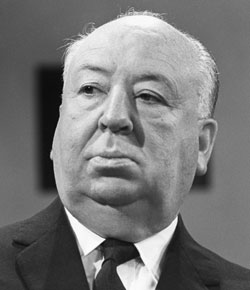
16 June: Psycho goes on general release. Alfred Hitchcock's murder masterpiece, adapted from the novel by Robert Bloch, starred Janet Leigh, Anthony Perkins, John Gavin and Martin Balsam.
15 August:The first motorway restaurant opens. The Forte restaurant was situated on the M1 at Newport Pagnell.
21 October: The UK's first nuclear powered submarine was launched by The Queen at Barrow-in-Furness.
2 November: The Penguin book company was prosecuted for publishing Lady Chatterly's Lover. It won and 200,000 copies were sold in one day.
8 November: Senator John F Kennedy was elected the 35th President of USA.
9 December: Granada TV broadcast the first episode of Coronation Street.
15 December: Peter Hall's Royal Shakespeare Comapny opened their first Winter season at the Aldwych Theatre, with a production of Webster's Duchess of Malfi, starring Peggy Ashcroft, Eric Porter, and Patrick Wymark.
25 December Transmission of the first pre-recorded Christmas message by the Queen.
31 December: The farthing ceased to be legal tender at midnight.
1961: Muriel Spark's The Prime of Miss Jean Brodie is published.
5 February: The first edition of the Sunday Telegraph is published costing 4d.
April: Kennedy gave the go-ahead for the disastrous Bay of Pigs invasion of Cuba.
12 April: The 27-year-old Soviet air force lieutenant Yuri Gagarin blasted off from Baikonur cosmodrome, Kazakhstan, in Vostok 1, a 5-tonne spherical capsule. He orbited the Earth just once at a height of 195-miles (312km), and the flight lasted 1 hour 48mins.
28 May: Amnesty International was formed after an article The Forgotten Prisoners appeared in The Observer by Peter Benenson. Within 12 months the new organisation had sent delegations to four countries to make representations on behalf of prisoners, had taken up 210 cases and had organised national branches in seven countries.
29 May: Prince Philip becomes the first member of the royal family to be interviewed on British TV. He was taking part in a BBC TV Panorama programme and was interviewed by Richard Dimbleby on the subject of Commonwealth Trading Week.
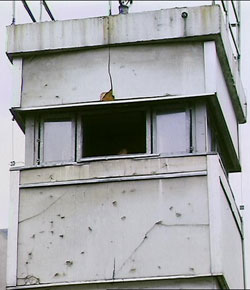
15 June: The construction of the Berlin Wall begins. On 13 August the border with West Germany was closed.
28 July: The British Heart Foundation was founded.
1 October: The first transmission of Songs of Praise on BBC
2 October: The first transmission of Points of View on BBC
25 October: The first edition of Private Eye was published
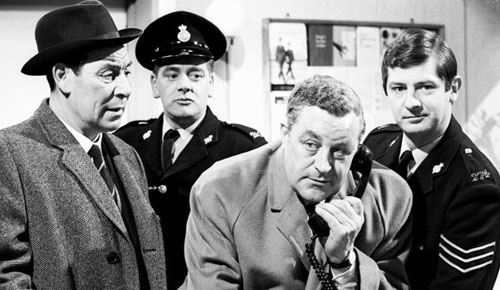
2 January: The first transmission of Z Cars, a police drama series starring Stratford Johns and Frank Windsor. Ended 21 December 1965. Second series 6 March 1967 - 20 September 1978.
3 January: Birth of Gavin Hastings, captain of the national squad, 1993-5, capped 20 times. Captain, British Lions tour to New Zealand, 1993. At the time of his retirement in 1995, he had scored more points in international rugby than any other British player: 667 for Scotland, and 66 for the British Lions.
4 February: The Sunday Times produced the first colour supplement, the front page of which included 11 pictures of Jean Shrimpton by David Bailey.
19 March: Bob Dylan's eponymously-titled debut album was released.
10 April: Former Beatle, Stuart Sutcliffe died of a brain haemorrhage.
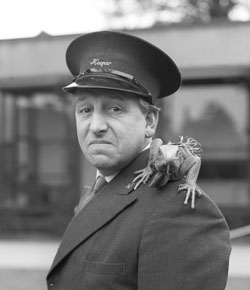
13 April: The first transmission of Animal Magic, the long-running weekly children's zoological programme presented by Johnny Morris
19 May: Marilyn Monroe made her last significant public appearance, singing a seductive rendition of Happy Birthday, Mr. President at a televised birthday party for President John F. Kennedy at Madison Square Garden.
5 August: Nelson Mandela, leader of the ANC, was arrested by the police near Durban, Natal. He had been a marked man since being acquitted at the infamous Rivonia treason trial, 1956-61 and then going abroad where he was feted. At his trial he was found guilty of incitement and of leaving the country without a passport and sentenced to five years imprisonment. In 1963, he was taken from the Pretoria prison to face a new trial for sabotage, high treason and conspiracy to coverthrow the government. On 12 June 1964, he was sentenced to life imprisonment.
5 August: Marilyn Monroe was found dead in her Brentwood home, Los Angeles, of an overdose.
16 August: The first transmission of Dr. Finlay's Casebook, a drama series set in a small Scottish town in the 1920s and about an old and a young doctor, and their canny housekeeper.
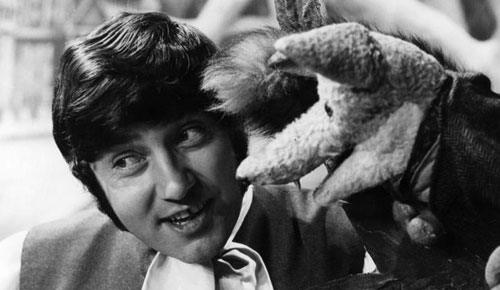
20 September: Basil Brush's screen debut. The glove-puppet fox character first appeared in The Three Scampys and later appeared with David Nixon before getting his own series from 1968-80 on BBC TV. He was created by Peter Frimin and puppeteered by actor Ivan Owen
4 October: The Beatles released their first single. It was recorded at EMI studios, Abbey Road. It reached No.17 in the British charts
5 October: The first James Bond film Dr No was released.
4 November: The first transmission of the Royal Variety Performance. The programme was recorded on 29 October 1962. Performers included Bob Hope, Eartha Kitt, Harry Secombe, Cliff Richard and Eric Sykes.
7 November: The death of Eleanor Roosevelt, wife of Franklin Delano Roosevelt, 32nd President of the USA, 1933-45. She is often considered to be the most accomplished woman yet to have filled the role of First Lady. She made her name as a champion of human rights. She was also the niece of President Theodore (Teddy) Roosevelt.
1963: Digby, the Old English sheepdog became the first in a long line of Dulux dogs.
1963: Cigarette advertising was banned from children's television and all actors appearing in these ads had to be over 21.
1 January: Registration plates indicating the year of purchase were first introduced in the UK.
5 March: Patsy Cline (born Virginia Hensley) was killed in a plane crash together with country stars Cowboy Copas and Hawkshaw Hawkins.
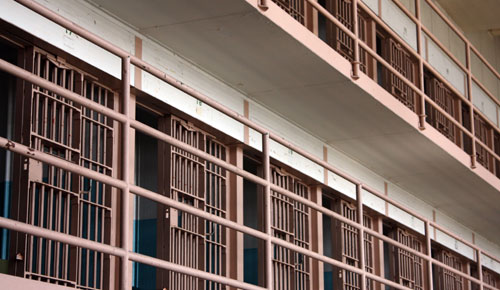
21 March: Alcatraz shut.
22 March: The Profumo Scandal. John Profumo, Secretary of State for War made his first statement to the House of Commons about his relationship with the prostitute Christine Keeler.
18 April: The Beatles had their first number one hit with From Me To You.
26 June: During his visit to West Berlin, President John F. Kennedy delivered his famous speech: "All free men, wherever they may live, are citizens of Berlin, and, therefore, as a free man, I take pride in the words "Ich bin ein Berliner!"
1 July: Kim Philby was named as the third man in the Cambridge Spy Ring.
28 August: 200,000 people joined the March on Washington. Congregating at the Lincoln Memorial, participants listen as Martin Luther King delivered his famous "I have a dream" speech.
September: The doll Sindy was launched and was an instant success. In 1965 she was joined by boyfried Paul.
22 November: President John F. Kennedy was assassinated in Dallas, TX.
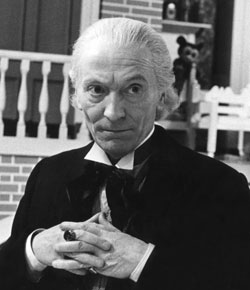
23 November: Dr Who launched with William Hartnell in the starring role.
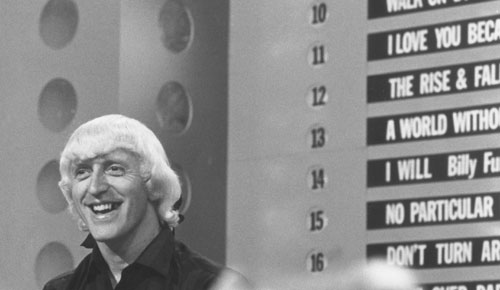
1 January: The first Top of The Pops was broadcast from a disused church in Manchester. Jimmy Savile introduced The Rolling Stones performing I Wanna Be Your Man.
6 February: Britain and France agree to build a Channel tunnel.
28 March: Pirate radio station Radio Caroline came on air.
20 April: BBC 2 opens. The first day of transmission was ruined by a power failure and programmes did not begin until the 21st.
21 April: The first transmission of Playschool on BBC 2.
2 July: President Johnson signed the Civil Rights Act of 1964 which prohibits discrimination of all kinds based on race, colour, religion or national origin.
13 August: The last hangings in the UK. The condemned men were Peter Anthony Allen, 21 and Gwynne Owens Evans, 24. Both had been convicted of the murder of John West, a laundry van driver, whilst carrying out a burglary of his home.
4 September: The Queen opened the Forth Road Bridge over the Firth of Forth in Scotland.
14 September: The Sun newspaper was published, the first national daily for 34 years.
22 September: The first broadcast of Man From U.N.C.L.E. The original show was drafted by Ian Fleming and was intended as a spoof on James Bond.
14 October: Nikita Kruschev was ousted as First Secretary of the Communist Party.
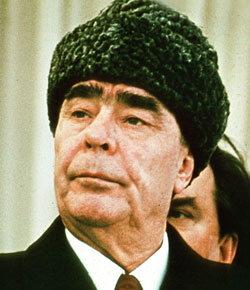
15 October: Leonid Brezhnev became First Secretary of the Communist Party.
23 November: Manx Radio became Britain's first licenced commercial radio station. However, power was severely limited by its license to 50 watts.
16 December: The first transmission of The Likely Lads on the BBC, a sitcom starring James Bolam and Rodney Bewes.
1965: Tiny Tears went on sale. The first dolls were 16 inches high with blonde hair and blue sleeping eyes.
24 January: Sir Winston Churchill died.
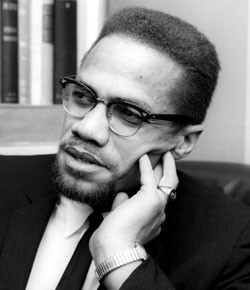
21 February: Malcolm X, founder of the Organisation of Afro-American Unity was shot and killed.
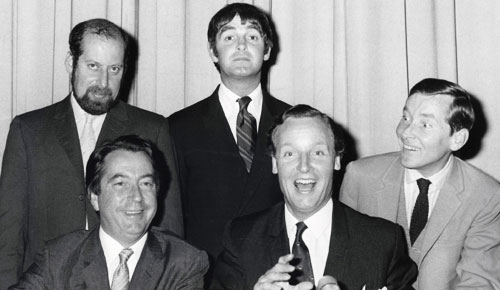
7 March: Round The Horne was first broadcast. A comedy sketch show starring Kenneth Horne, Kenneth Williams, Betty Marsden, Hugh Paddick and Bill Pertwee.
7 July: The first transmission of Tomorrow's World. Initially presented by Raymond Baxter the show quickly established itself as the flagship science programme on the BBC.
9 August: The first Ford Transit van was produced at Ford's plant at Langley, Bucks. The van went on sale on 8 October 1965.
September: Gas was first found in the North Sea.
18 October: The first transmission of The Magic Roundabout. This daily animated children's series marked the end of children's hour on TV before the early evening news.
8 December: The Race Relations Act 1965 was the first of such Acts, it made it an offence to incite racial hatred and discriminate on the grounds of race and colour against job and housing applications.
13 December: The first transmission of Jackanory. Lee Montague read from Cat of the Rushes.
1966: The first Action Man was produced based on Hasbro's American GI Joe.
1966: The "give way to the right" rule was introduced for roundabouts.
January 1966: Indira Ghandi became the first woman Prime Minister of India.
4 March: John Lennon declared in an interview for the London Evening Standard that The Beatles were "more popular than Jesus".
29 June: Barclaycard, the first British credit card, was introduced.
5 August: Ground breaking for the construction of the World Trade Center in New York began. Steel construction started in August 1968.
7 August: The first transmission of It's A Knockout. The shows were hosted by David Vine and Eddy Waring.
18 August: The Tay Road Bridge was officially opened by the Queen Mother.
6 September: South Africa's Fascist leader Hendrik Verwoerd was assassinated by a disaffected white who thought he was too soft on the black majority.
1967: Angel Delight was introduced with the promise of "the taste of strawberries and cream".
8 April: Sandie Shaw won the European Song Contest with A Puppet on a String.
25 May: Celtic became the first British side to win the European Cup.
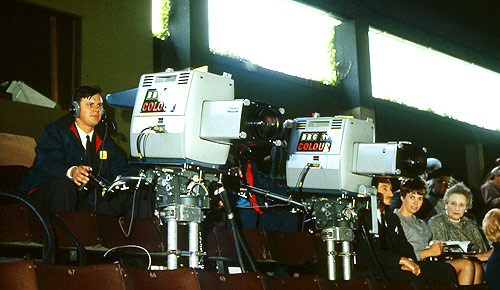
1 July: The first European transmissions of colour TV, using the PAL system, were broadcast live from the Wimbledon tennis championshops. The BBC 2 service was the first regular service in Europe.
5 August: Pink Floyd released their debut album Piper at the Gates of Dawn which reached number 6 in the charts.
20 September: The Queen Elizabeth II was launched by Queen Elizabeth at the John Brown shipyard at Clydebank.
30 October: Woody Guthrie, the American singer-songwriter who influenced Bob Dylan and many other folk singers died.
9 November: Rolling Stone magazine is first produced, in San Francisco.
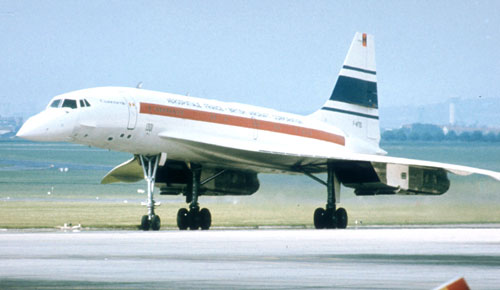
11 December: Concorde made its public debut at Toulouse in France.
22 December: Just A Minute was first broadcast, presented by Nicholas Parsons
5 January: The first transmission of Gardener's World, which was a spin-off series from the 12 year-old Gardening Club.
4 April: Martin Luther King was assassinated outside his motel room in Memphis, resulting in nationwide riots.
23 April: 5 and 10p coins become legal tender. The two coins were the first decimal coinage to enter general circulation.
1 May: The Flying Scotsman made its last steam-hauled run. The express steam train left King's Cross station to make the last steam-hauled non-stop run from London to Edinburgh.
3 May: Frederick West, 45, became the first person in Britain to undergo a heart transplant operation. The operation took place at the National Heart Hospital, London. Unfortunately West only survived for a month, dying on the 5 June.
7 June: The Legoland theme park and resort opened at Billund, on the Danish mainland of Jutland. It is one of the world's most successful amusement parks. The word, lego derives from two Danish words, 'lej godt', meaning 'play well'.
5 June: Senator Robert F. Kennedy was assassinated whilst celebrating his successful campaign in the Californian primary elections. He was seeking the Democratic nomination for President of the United States.
10 June: NHS prescription charges were introduced in the UK.
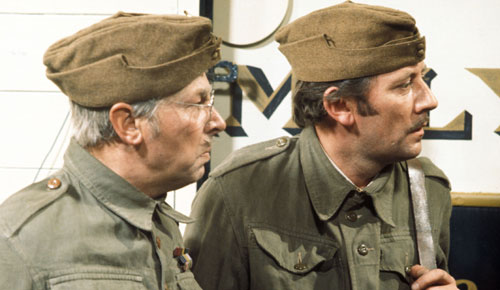
31 July: The first transmission of Dad's Army, a World War II sitcom, written by Jimmy Perry and David Croft. The cast included Arthur Lowe, John Le Mesurier, Clive Dunn, John Laurie, James Beck, Arnold Ridley, Ian Lavender, Bill Pertwee, Frank Williams and Edward Sinclair.
8 September: Virginia Wade won her first US Open singles title, beating American Billie Jean King 6-4, 6-2.
16 September: Two-tier postal system was introduced in the UK. A first class stamp cost 5d, and second class, 4d.
28 November: Enid Blyton died. She was the most commercially successful British children's author of the 20th century. A prolific writer, she wrote for all ages of children. She created Noddy, the Famous Five, and the Secret Seven characters.
9 December: The computer mouse was unveiled At Stanford University, CA., it was a clunky wooden box with a red clicker. No-one can recall who started calling the device a mouse, but it stuck.
2 March: The maiden flight of Concorde. The French plane made its maiden flight from Sud-airport, Toulouse. Piloted by French test pilot Andre Turcat, the plane flew for 27-mins and returned to Toulouse.
30 June: The Beatles performed together in public for the last time. The show took place on the roof of their Apple studios, London. It was interrupted by the police after neighbours complained about the noise.
12 July: Star Trek made its UK TV debut.
18 July: A car driven by Democratic Senator Edward Kennedy plunged off a bridge and into a tidal pool on Chappaquidick Island, Martha's Vineyard, Mass. Kennedy escaped, but his secretary, Mary Jo Kopechne, drowned. For some reason Kennedy didn't report the accident to the police until some 10 hours later. Chappaquiddack effectively ended any presidential ambitions held by the senator.
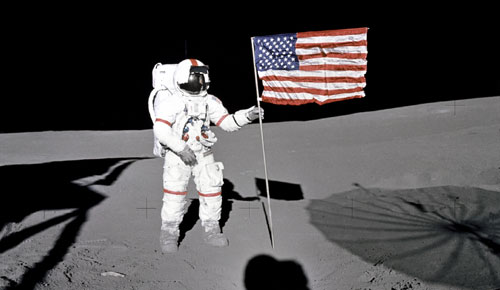
20 July: Neil Armstrong and Buzz Aldrin became the first men to walk on moon.
15 - 17 August: The first Woodstock festival was held in upstate New York. Artists included Jimi Hendrix, Janis Joplin, Crosby Stills Nash and Young, Grateful Dead, and The Band.
2 September: The genesis of the internet. Two computers in Len Kleinrock's laboratory at the University of California, LA., were connected to form ARPANET, the network that grew into the Internet. The connection was the culmination of years of research by Kleinrock and others in the field of sharing information over a web of connected computers.
9 September: Nationwide was broadcast for the first time on the BBC. The first half of the pioneering early evening news programme featured regional news from London and the second half linked up all the BBC TV regions.
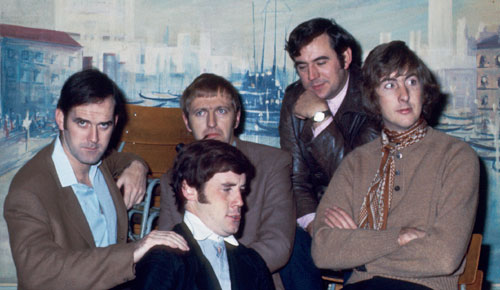
5 October: The first transmission of Monty Python's Flying Circus. A pioneering alternative comedy show, with sketches written and performed by John Cleese, Terry Gilliam, Eric Idle, Graham Chapman, Michael Palin, and Terry Jones.
14 October: Prior to decimalisation in February 1971, a coin to the value of 50 new pence was issued to replace the 10 shilling note. The 50p was the world's first seven-sided coin.
18 December: The formal abolition of the death penalty. The vote to scrap the death penalty was taken after a two-day debate in the Houses of Parliament.
The audience can listen again to all programmes in the BBC Radio Scotland Sixties season for seven days after broadcast on BBC iPlayer onbbc.co.uk/radioscotland.
Related Features
BBC iD
BBC iDBBC navigation
BBC links

BBC © 2014The BBC is not responsible for the content of external sites. Read more.
This page is best viewed in an up-to-date web browser with style sheets (CSS) enabled. While you will be able to view the content of this page in your current browser, you will not be able to get the full visual experience. Please consider upgrading your browser software or enabling style sheets (CSS) if you are able to do so.
