The Fake Bailiff Scam
Click 'show more' to find out futher about the fake bailiff scam...
Scammers posing as bailiffs are sending emails and letters trying to force people to make immediate payments, and preying on those impacted by the cost of living crisis.
County Court enforcement agents, more commonly known as bailiffs, visit homes to collect money owed for things like council tax bills and parking fines. They are empowered by the courts to do this, but now fraudsters are impersonating them.
Since 2021 there’s been a 12% increase in the number of these scams reported to the police, and the actual number is likely to be even higher.
Rav Wilding has been investigating these scams for BBC Morning Live. He went to meet Paul Szczerbakowicz, who unexpectedly received a letter in August this year. It claimed to be from a debt enforcement agency, and said he hadn’t paid a parking fine.
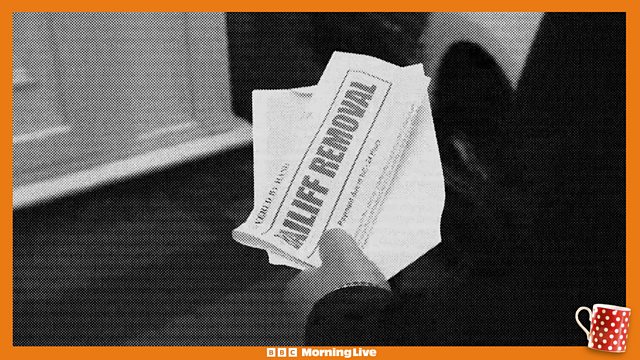
Paul told the BBC: “The letter said that I owed £617, and that I had seven days to pay it. It said if I don't pay, they'll come around with a locksmith, force entry and take my goods. It did look genuine, it said in big, bold letters: ‘Court Enforcement Bailiffs’, and ‘Removal Notice’. I sent a query to the company’s website, which also looked genuine.”
Paul queried the letter through the website, which then saw scammers piling more pressure on him to pay. “In the reply, they said I've now got three days to pay, and if they have to come and visit my property, that's going to be an extra £230. If they have to take my vehicle, that's an extra £120. Three days later they said I can expect a visit, and that they will bring a police officer. But they also recommended that I call the police just to keep the peace.”
Paul said this final instruction was what made him suspicious that he was being targeted by fraudsters.
The Civil Enforcement Association (CIVEA) is the membership body for enforcement officers, and it was able to confirm the letter Paul received wasn’t genuine.
Russell Hamblin-Boone, CEO of CIVEA, worked on Paul’s case. He told Rav Wilding: “The fraudsters have taken some elements that can be legitimate, and lots of things that are inaccurate. There are some tell-tale signs, like threatening to be accompanied by police officers, or locksmiths; nobody's going to do that for a parking fine.”
“In Paul's case, they had his email address. So that gave them even more opportunity to bombard him with frightening messages. They sent an email suggesting that three agents were going to turn up, and that's highly unlikely to ever happen in reality.”
Since the beginning of the year, CIVEA have had at least 28 cases of this type of scam reported to them, and they have passed on details to Action Fraud, and the Ministry of Justice.
Russell gave BBC Morning Live some tips to spot a fake bailiff scam:
“You're not going to get a letter out of the blue, telling you that someone's going to come round to your house. You would have other warning letters before that.
The second thing is: don't panic and don't be pressured into acting and handing over cash. Take time to check it out.
Thirdly, be wary of letters that refer to ‘bailiffs’. You might know them as bailiffs, but legitimate companies will refer to their own staff as enforcement agents.”
If you receive a letter that you think may be part of the fake bailiff scam, you can contact the Civil Enforcement Agency here - www.civea.co.uk. If you’ve paid money, report this to your bank immediately, as well as to Action Fraud here - www.actionfraud.police.uk
Duration:
This clip is from

More clips from Morning Live
![]()
Holly Hamilton's latest consumer fightback
Duration: 08:40
![]()
What are the latest crime warnings?
Duration: 08:01
![]()
What high-profile fallouts can reveal about family dynamics.
Duration: 07:42
![]()
What is the latest on smart meters?
Duration: 06:27