4. How to look at the landscape
Unearthing the violent and radical history of the English countryside
Does the violent history of the English countryside fuel a sense of who does and who doesn't feel as if they belong in rural England? And what can be done to make everyone feel more welcome?
Talia Randall meets three people who are reclaiming their right to belong in rural England.
Louisa Adoja Parker raised her children in Dorset. For years she felt her face didn’t fit in the landscape. Uncovering the hidden history of 18th century black people who walked on her local beach has helped her feel at home.
Manchester lass Anita Sethi is asserting the rights of ordinary people to go for a walk in the countryside. Her epic journey across the backbone of Britain follows in the footsteps of the working class ramblers who trespassed on privately-owned land in the 1930s.
And the founder of ‘Black Girl’s Hike’, Rhiane Fatinikun is celebrating black joy in nature and creating new nature traditions so that in the future there will be no barriers to being outdoors.
Produced, Written and Presented by Talia Randall
Researcher: Erica McKoy
Contributors: Rhiane Fatinikun, Anita Sethi, Louise Adjoa Parker
Production Mentor: Anna Buckley
Tech Producer: Gayl Gordon
Executive Producers: Khaliq Meer & Leanne Alie
Commissioned for BBC Sounds Audio Lab by Khaliq Meer
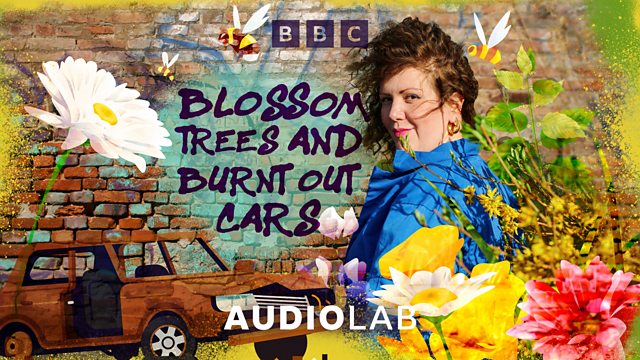
Artwork by: Mike Massaro
How to look at the landscape
A walk in the English countryside, how pleasant – look at the plump fields in shades of crocodile green, hear the waves gently lapping in the distant harbour, and look a grand manor house nestled between the trees. It’s a picture perfect postcard. What could possibly stop you from enjoying this?
Well, if you’ve listened to the series so far you’ll be well aware of some of the barriers that might get in the way of a gorgeous walk like this one. You’ve also heard about some of the ways we can unlock the barriers. At this point in my journey into what prevents people from enjoying nature, I want to root myself in a deeper sense of history.
I came across this book recently by Professor Corrine Fowler, called, Green Unpleasant Land – what a cracking title. It explores the countryside’s repressed colonial past and uncovers how this history shapes a vision of national identity. And it got me thinking about the history of the English Countryside - especially it’s colonial history – and how that history influences our relationship to nature. Is this what’s at the root of why some people feel they belong in the English countryside and others don’t? It’s not something many of us think about on a pleasant countryside hike.
Corrine says this is because, as a nation, we’re nostalgic about the countryside. It’s the idea that it’s the “repository of Englishness”. The pristine chocolate box imagery of thatched cottages and countryside estates can represent a fossilized past and we need to create a more dynamic relationship with history. Corrine asks “how do we get the history to surface, so that people can see the landscape anew”.
This is such a good question! That I’m going to say it again. How do we get that history to the surface so that we can see the landscape anew? That’s what this episode is all about
I’m Talia Randall you’re listening to Blossom Trees and Burnt out Cars the podcast where I dig beneath the surface and chat with the people who are opening up nature to everyone
Episode 4 – How to look at the landscape?
In this episode I want to home in on the experiences of three people who are reclaiming their right to belong in nature, Rhiane Fatinikun, who founded Black Girl’s Hike, and the writers Anita Sethi and Louisa Adjoa Parker.
Rhian, Anita and Louisa are all reclaiming the land, its history and transforming our vision of the English countryside. What might the countryside look like in the future if alternative histories are brought to the surface? Could this hold the key to unlocking nature so that it can be enjoyed by everyone? We’ll be walking and talking about the countryside’s colonial past, possibilities for the future and of course, my exceptional taste in hiking fashion
TALIA: I look like I'm going raving basically and I've got, oh my God. I forgot I've got gold bumbag which actually I thought was going to have a practical purpose. First of all, bum bags are highly practical. But also I was going to put my little recorder in it so that we could walk with the microphone, which is basically an excuse to wear a gold Bumbag
“a bird or a butterfly is not going to ask you where you're from. I can simply. I can simply be”’
“I genuinely believe that most of my life until I was like almost 30, I was one of the first mixed race people to exist in this country. Genuinely believed tha”.
TALIA: Louisa Adjoa Parker writes about rural racism and black history. She set up the Where Are You Really From project, which gathered stories from people of African, Asian and mixed backgrounds who live in rural parts of the UK.
I met Louisa on a bench in Lyme Regis, a seaside town in Dorset where she’s lived for much of her life, she raised her kids there. It was a freezing cold bright day in April, with intermittent snow. The light was exceptional that day, the clouds glowing flamingo pink.
I’d been to Lyme Regis before on holiday, imagine a chunky 10 year old in zebra leggings listening to TLC on a Walkman. The place is known for its fossils. So my vision was of postcard perfect holiday town.
I asked Louisa about the idyllic image of rural areas and how this can prevent us from seeing the concealed colonial history.
LOUISA: So I just assumed that you know, in the 50s we had people, waves of immigration.
You know post World War Two to help rebuild the country and so on. And I assumed that was really where that history began and I think the majority of people, up until recently, also believed that. And I remember just you know, going through the archives at the History Centre and just sort of thinking this this is amazing. There's so many connections, there's so many links with slavery, but not only with slavery, but also people who've been coming here from you know, from the former colonies and loads of different countries for so many different reasons. You had like visiting royalty. You had soldiers you had obviously refugees and prisoners of war during the world wars. And you know people came here as teachers and writers. And there's just this whole this whole fascinating history.
And it just changed my whole world and I felt as though, I remember being on that beach and round the corner Monmouth beach and walking over these like grey pebbles and thinking - people who looked like me and people of African heritage have just been on this land, they've walked on this land that I walk on and that is an incredibly powerful feeling for somebody who's always felt as though, you know as a kid I felt as though I didn't have a right to belong in England. You know. I felt England didn't want me. But I remember imagining that there was all these kind of African ghosts around, like hiding behind the trees. Like this sounds a bit big headed, but like wanting me to tell that story. But no one else was telling that story, you know? So I sort of felt as though, it was like a responsibility to sort of to try and remember them.
And it's been quite exciting 'cause, for example there's also a story from Lyme. There was a black servant called Ando. And he was brought back as part of a retinue of servants by the Hallet family, and they’re a real local family with you see like streets named after them around here and stuff like that. But I remember I found something in the records about him had basically hanging around the locals and getting up to trouble in the in the High Street!
And that just made me think, you know people, although they were enslaved, slavery was a grey area in the UK as I'm sure you know. So the way people would have been treated by the people who, in inverted commas owned them would have been very different. So some people would have been given their freedom when their masters died. Some people would have been had quite a lot freedom, you know able to go out. And others were not treated so well, for example in the book that I did with Lyme Regis Museum, we thought we'd found evidence of a steel collar for a child, so it was a real mixture of experience. I think it was very much down to the whim of the people who you know had these enslaved servants, but I think, it's just kind of knowing that those people existed.
You know it just,I don't know, it just means a lot to me and I'm sure it means a lot to other people, not only those who've got African heritage, but you know other people as well. 'cause it's just knowing that they were here, they existed and they had a story. And they're part of this landscape like anybody else.
I didn't really say I was British until, you know, I don't know. Probably in my 30s like I guess, 'cause I didn't really feel I had the almost, like the right to say I was. You know, I think it's really important for young people particularly to see themselves reflected in the landscape, and to know that we have a history here. And we have every right to belong here and actually you can be a rural person and have different sorts of identities. And that's absolutely fine.
TALIA: I'm curious to know what was it that, like inside of you that turned that for you that turned the dial and that made you think, no, you know I do belong here
LOUISA: Well, I guess it is partly black history but also it's realising that I'm really British. (laughter)
TALIA OK, so give some examples…
LOUISA: I’m like totally British, like that's my culture. I'm a British person. I love the British sense of humour, I like standing in queues. I like talking about the weather. There can't be anything else 'cause that's all I know, and although some people might not see me as that actually, you know, essentially that's what I am
TALIA: I love standing in queues! And yeah on the way here I had about 28 chats about the weather. I mean the weather has been notable, so. I think this sense of Britishness, and who gets to say they're British or not, is a conversation that more people are having now. And I think it's a really important one so its giving me a mirror to be able to think about my own sense of Britishness as well. So like, because I'm white, no one ever asks me if I'm British or not, obviously, because the assumption is that I am. And I am, and I was born here and I do have British citizenship, but my mum is also an immigrant, it's a really layered important thing and I think that white people need to question that sense of identity as well.
LOUISA: I think there's been quite a lot interesting conversations, particularly in the last two years around identity, particularly as I think as a as a nation. I think we've kind of been struggling a little bit on who we are anyway. And then we've got, you know, different sort of people saying, well, I'm British but this this is my flavour of it sort of thing, so I think I think it's been really interesting, but I think we do need to think about a bit more.
It's sort of like people say I'm proud to be British. I wouldn't actually say I'm proud because I just happen to be born here. It's not an achievement that you know. I love British culture. I love I love who we are. You know we've got a really good sense of humour but that doesn't mean that we're any better than anybody else, you know. So it's just kind of thinking about national identity and what that means and why it's even so important to us. You know, there's lots of big big questions. I think that we need to be thinking about.
TALIA: I think that for me, that really resonates in terms of like, I was just born here and I have the privilege of a British passport and I also have the privilege of white skin, but I also don't, I don't know if I feel British? I don't know what feeling British is meant to feel like?
LOUISA: yeh what even is it?
TALIA: what is it? look, I'll get in the back of the queue like anyone, you and me will be in the queue all day Louisa
LOUISA: talking about the weather
TALIA: Like I think it's because I'm from London I was raised in London and my sense of London and it being mixed in every sense of the word is feels really important to me and it feels like part of my DNA I guess. And being a typical Londoner its this idea of Britain being out there in the countryside somewhere? That's how I feel about what Britishness is.
LOUISA: Oh my goodness. That's really strange. That’s just blown my mind.
TALIA: We’re blowing minds on this bench on the beach. Why does that blow your mind?
LOUISA: I don't know because like for me, London is Britishness.
TALIA: That's so interesting.
LOUISA: It's like everything happens here. And it's just really cool. And Londoners are just really cool.
TALIA: That's so interesting. 'cause for me and like, I'm not saying this is a good thing or a bad thing, it's just and it probably is a lot of it rooted in like a London centric attitude of like we're different but like to me British is like. Tea and cake at 4:00 PM. A walk in the countryside and all of these things. I suppose my like my point is. This vision I have of Britishness is a myth. And I think that for I, I mean I can only speak for myself obviously, but I feel like lots of different people are challenging and questioning that myth from lots of different angles, and I think that that's fascinating.
LOUSIA: Yeah, I think it's also scary for some people. I think some people think that we're losing our heritage, but I think by having these conversations we're gaining. I think we're getting a much richer and more diverse kind of understanding of what it means. And I think Britain by the very nature of it, is an Island. We've always had people from all over the world coming here, nicely or not, you know, so we're a real mixture, you know a very mixed country in terms of ethnicity and where people come from. So we've always been like that, so I guess, yeah, I guess Britishness is about being very diverse and being very mixed and acknowledging that and seeing as a strength you know rather than rather than a problem I guess.
TALIA: We’re not losing anything by learning this history of the countryside, we’re gaining.
as Louisa said that might be scary for some people but if we don’t bring that history to the surface how else are we going to open the countryside up so that everyone feels at home?
The icons of the English countryside – the manor house, the enclosed fields, the chocolate box imagery, they’re national symbols. When something becomes such a hefty image I think its harder to explore the history behind because we’ve given it with so much significance. In questioning it we question ourselves, and that can feel uncomfortable. But, I think, if we want more of us to feel a sense of belonging in nature and in rural areas then this exploration feels important.
LOUISA:
You know there is an element of the history that I'm talking about, and I've learned about that is incredibly distressing and dark. There's also a sense of real human resilience as well, and I think that gives me strength. It's known the terrible history and the awful things that happened, but also acknowledging that actually humans are resilient and we can't change the past. There's nothing we can do to change it. what we can do is to go forward is to honour those people who went through these struggles and make people aware. You know, make people aware of the of the real history of the place.
TALIA
This theme of resilience - its also something I spoke about with Anita Sethi.
You might remember Anita - she talked about who gets to be a nature writer in the last episode of Blossom Trees and Burnt out Cars
On a warm day in April, Anita picked me up at a Premier Inn in central Manchester and we made our way to the canal. It was one of the first warm spring afternoons, there was this electric turquoise sky, the canal side pubs were struggling to meet all the sudden orders of Aperol Spritz. We walked past a timeline chronicling the rise and fall of The Hacienda nightclub, moments of its history cut into metal panels with key events like The Stone Roses playing there in 1985 and the collapse of Factory Records in ’92.
My walk with Anita prompted me to look at the small details in nature you can find in a busy city – veins of tiny wildflower, translucent in the sun, the cute tuft of newborn gosling
We even saw someone catch a fish! Never in her whole life of being in Manchester had Anita seen this happen. Before you ask, no we didn’t eat it there is no way I would trust a canal fish. are you mad. The fisherman thankfully plopped it back in the rusty water
In the previous episode you’ll remember hearing about Anita’s book, I Belong Here that it chronicles a huge walk she did across the Pennine Way in the North of England. Her journey was sparked by a racist hate crime she experienced whilst on a train travelling through the Hope valley. The story she tells is one of reclamation of nature, of the self and a sense of belonging in the UK landscape.
We talked about one of her inspirations, - working class ramblers who protested the lack of access to nature by walking on privately owned land that was closed off to them
ANITA: Those were a group of walkers, working class walkers from Manchester who trespassed on mass at Kinder Scout, the anniversary for which is this year, the 90th anniversary. They massively inspired me as well as a Manchester lass to make my own walk. Walking is still a radical and political act because we are not all free to walk through this world in a way that is not restrictive. Sso they walked up Kinder Scout. And their walk and protests at time when you know most of the countryside, was you owned by a tiny percentage that still actually is only used for rich land owners for Grouse shooting. Their walk ultimately led to the creation of the national parks and to long distance footpaths like the Pennine Way which is the Britain's oldest long distance footpath, it led to the creation of the Peak District which is Britain first and oldest National Park
Its also, you know it was clarion call that people from urban areas like Manchester and Sheffield you know, deserve to go on those trips to the countryside and have their dose of clean fresh air, workers that were walking you know that the workers were walking 'cause they wanted respite. And then we asked the question what is the countryside for you know? And people from cities surrounding the countryside areas deserves to be able to go for breaks in the countryside, trips to the countryside have that respite from from the city. From the stresses of life in a city. As much as I love urban areas, of course, you know I also deserve to be able to go to the countryside and have those moments of awe that you will only get through walking up a mountain.
TALIA I think this idea of leisure time is super interesting and how that feels, having leisure time feels like it is a privilege in itself, right?
ANITA: yeah yeah yeah yeah yeah.
TALIA: And that's why the story of the Manchester Ramblers or the stuff that you're writing about is about reclaiming – I think its about reclaiming time as much as anything else.
ANITA: Yeah, that's a really important point, and I do think that's also one of the reasons why maybe not more working class or brown and black people have made those trips to the countryside? I know speaking from personal experience that I still feel guilty for having time out.
TALIA: Oh, you shouldn't feel guilty. I hear that though.
ANITA: And yeah, coming from that background, working class background and you know when went out other day I went for a trip to New Mills. Actually it was for work but I also enjoyed myself. But you know, just to let myself have an hour. And to say right this is a holiday. I deserve it without that constant worry and background stress. Oh my gosh, I'm not working nor will I be able to pay the bills at the end of the day.
TALIA: Yeah, yeah. I totally hear that. I think that's like because. Every hour can also equate to an hour working. You know time is money or whatever, then we can really internalise that and therefore, feel guilty. I also think there's something as well about the type of work that you do. So this is maybe less relevant now than it was maybe a generation ago, but if you're doing physical work then, like my dad did a lot of physical work and then on his time off he just wanted to chill. So then the idea of like getting out and going and being like active is just like, I'm active 40 hours a week doing that. I'm just trying to grapple with that.
ANITA: Yeah, absolutely yeah. And also you mentioned time before and I think that's such an interesting thing to think about in regards to nature and the idea of reclaiming time. And I do feel like when I go for a walk in nature that I'm reclaiming time because it slows me down. It brings me back to the moment, I have reclaimed the moment and there's so much in the particular time that we're living in, that's the Internet age that eats away and devours time
Also what I think about in nature is this idea of deep time, so it gives me about the present moment, but it also connects me with a far deeper and far more historical time. It's just you only have to think about this tree that we're sitting under and how long it's been here. It will have probably been here far longer then I was born, but it will probably be here a lot longer than I live as well. But you go for walking the Pennines, in the north of England, incredibly rich and deep time history.
TALIA: Geological time, its another level.
ANITA: Absolutely, you know. Malham Cove in Yorkshire, where I walked through the book, that was formed in the ice age. And there's this wonderful thing that puts. our own fleeting life into context, and it also makes me want to seize every moment of this fleeting life. It's very healthy to kind of get that perspective as well.
TALIA: Reclaiming time. In the sense of the present moment, switching off your phone, taking a breath, finding solace in nature but also reclaiming your time as your own for leisure and enjoyment, I think its great how this is in the historical tradition of the working class ramblers.
Anita and I also briefly touched on how much of land was, and still is owned by few very people. According to research by writer and campaigner Guy Shrubsole half of England is owned by less than 1% of the population. That’s wild innit. And he says this 1% is made up of members of the aristocracy as well as corporations. To add to that, in The Book of Trespass by Nick Hayes I read that that English law excludes us from 92% of the land.
It feels like the identity of the countryside is tied up in who owns it and how they own it. maybe another question you can ask yourself on your next walk in the countryside is - where does the money come from?
Anita told me something interesting about how this link between identity and the landscape fuels a feeling of who does or doesn’t belong
ANITA: There's a really toxic idea that brown and black people don't belong in the countryside, and there's this idea that the countryside is a quintessentially English. You think of the English pastoral and its this idea that black and brown people don't belong in green spaces, and I think that's really linked to toxic ideas for identity and the idea that black and brown people are somehow not as British as white people.
TALIA:
Anita is all about smashing those ideas, opening up belonging of all of us with every step she takes.
I now want to introduce you to Rhiane Fatinikun, who for me, is another modern day rambler opening up the countryside to people who have been historically excluded. Rhian founded Black Girls Hike, you might have seen them on instagram, they provide a safe space for Black women to explore the outdoors. Black Girl’s Hike is all about challenging the status quo, and encouraging Black women to reconnect with nature, they host nationwide group hikes, outdoor activity days and training events.
I met Rhiane outside Edale train station in the Peak District, I was wearing my best hiking outfit and she took me for a proper walk, I was trapsing behind her for a lot of it. It was first time in the Peak District and boy is it stunning. We stomped through puddles, heard newborn lambs bleeting in the fields and when we got to the top of the hill my hair got destroyed by the sharp winds. And did that obligatory thing people do on a country walk when you say hello, or afternoon to everyone you pass. I find it really funny but also quite nice.
We took a break from our walk and sat on a hillside opposite Kinder Scout where the mass trespass took place all those years ago. We talked about our personal histories and how that can shape how we behave in nature, but mostly we explored how tackling the barriers that exist in the present can open up a beautiful future.
TALIA: So when you talk about then the skills that you need to access things. For me, I'm a city girl right. As you can tell by what I'm wearing. You can't see anything. But I'm wearing cycling shorts and a high viz.. I look like I'm going raving basically
RHIANE: tell them about the bum bag please
TALIA: and I've got Oh my God. I forgot I've got a gold bumbag, which actually I thought was going to have a practical purpose. First of all, bum bags are highly practical. But also I was going to put my little recorder in it so that we could walk with a microphone, which is basically an excuse to work or bumbag, but I definitely look, I would say out of place. I've got a bright pink umbrella. This is just how I wear my styles and I grew up in a city on a council estate. So my idea of nature, isn't necessarily this epic landscape?
Actually, that is what I thought when I thought about nature, but I didn't think, oh I can just jump on a train go and walk there. So like we never had a car when I was growing up so we never drove out for like weekend walks we didn't get on trains to do that. 'cause it was expensive. So other than like seaside holidays we weren't like. outdoorsy people, and as I'm in my 30s now and I still feel like I carry that baggage a little bit? Like does that resonate with you? What kind of are your feelings about?
RHIANE: Yeah, definitely like a lot of people don't have the opportunity to explore nature, so a lot of us particularly like black and brown communities, they do live in inner cities. Not many of them live that close to green spaces, but I think that we always have this idea of what nature is. So people think that nature is going into the countryside and being in these vast areas, but if you think about it, nature is all around us. We are nature too and as soon as you step outside your door, that's nature as well. And I think for me it's sometimes about trying to appreciate what's closer to home and kind of like, I think we have an abstract idea of what nature is, so sometimes it's just kind of like re-imagining that as well.
TALIA: Can you tell me, then a little bit about the work that Black Girls Hike does. In that sense, like obviously you lead hiking expeditions and you build confidence for Black women to go out there and enjoy the outdoors and big nature more specifically, but there's also like.
A healing, well being sense to it as well?
RHIANE: Yeah yeah. So we basically create a space where you can kind of overcome those barriers that would be stopping you from getting out. So if you're thinking about, you might not be able to get there. You know, like we can help you get there if you're thinking that you might be on your own and like, you know we're a community there for you already.
If you think that you don't necessarily have the skills like we've got the skills and we can lead.So like we're basically trying to help people like overcome those barriers so that then they can just experience everything that it has to offer really, and kind of like get boosted by it.
I think once you first come to the group you, it is quite empowering and then that that kind of like gives you the confidence then to enter other spaces and to overcome those things, but then also to kind of change your perspective on what you thought those barriers were so you know, when you have this idea when you built it up and it's all about ‘oh big big nature’.
And then you've been out with us, and you're like, oh, that was a really nice walk. Met loads of really cool people. It kind of like not minimises the fear, but it definitely takes that away from you.
TALIA:I want to talk a little about the countryside code.
RHIANE: OK.
TALIA: Which I feel like. I'm in primary school, just saying it like I'm saying the Green Cross code.
RHIANE: I don't remember the green cost code anymore (laughter)
TALIA: No, neither, but there's these (laughter) I mean, I don't really know what it is, but I suppose what I'm asking is when a person walks out into this space in the countryside, in big nature. There's a level of expectation of how to behave, maybe. And I'm wondering A) what that behaviour is 'cause I'd like to know and also B) if you think that silently held expectation is also a barrier in itself?
RHIANE: Yes, it is, of course it is! So the countryside code for me. It's like it assumes knowledge. It assumes that people have had all this experience of the outdoors, like they use terminology that if you was from an innter city you would have never heard that word before. So how is it like applicable to everybody?
It reminds me of that, you know the scene in Pretty Woman where she shoots like flicks that snail? Like she's never been somewhere like that before, how she's supposed to know what all them different folks are for? I wouldn't know.
TALIA: And then, if you're like, if you then don't know, then you feel like an idiot.
RHIANE: Yeah, yeah, and you feel like an idiot, but then you also feel like everybody else is so experienced that you can't even ask them. So even I feel like that a lot of the time. I said this the other day in a panel. Ao one of the challenges that I've faced running Black Girls Hike is the media are like ‘oh she's a hiking expert. She leads this group’. But no, I'm like really new to the outdoors, so I'm like absolute beginner. And there's loads of stuff that I don't know. But because the way the wider outdoor community is, and they're generally sometimes quite hostile, you sometimes feel like you can't ask those questions because you feel a bit dumb. Like people tweet stuff at us all the time. And I'm like I don't know about that. I’ll just like it,
TALIA: you’re like furiously Googling.
RHIANE Yeah, yeah, like googling stuff. Like I literally just don't know what that means and then that's another thing where I said, like, it's navigating stuff. You just don't know what you don't know sometimes. So sometimes you don't even know where to ask the question because you don't know what the question is you need to be asking.
TALIA: Yeah, exactly. It's like where do I even begin? Where do I start? And also I suppose it's feeling like you're in a supported or safe enough environment that you can be like
RHIANE: Yeah, you should be, you should feel like you should be able to ask for help, definitely. Yeah, I think there's a lot of snobbery to be honest in the outdoors, like people use phrases like ‘real hikers’ like what the hell is a real hiker like? We both just walked up this hill.
TALIA: Yeah, what is a real hiker then?
RHIANE: I don't know. I don't know if it's someone who maybe has had like their waterproof for 20 years or something, I don't even know.
TALIA: Yeah, maybe it's people who’ve spent more money on kit, not someone who's in cycling shorts and a pink umbrella.
RHIANE: Exactly. But then it's up to us how we define things I think, and that's all about what black girls hike is about. Challenging the status quo. So I was in a in an interview recently and for the Ramblers magazine and they said what's your favourite bit of kit?
And I said my head tourh 'cause I can use it as a disco light at our event.
TALIA: Perfect.
RHIANE: I know, I bet people are like she is not a real hiker.
TALIA: That's great, it is true. You know, if you're going to spend the money on something, it's gotta have more than one use
RHIANE: multi use. Yeah, exactly redefining the outdoors.
TALIA: So I want to talk a little bit about representation and how important that is, and one of the guiding principles I suppose of Black Girls Hike. Is this - if you can't see it, you can't be it. I wonder if that also carries a heavy burden of feeling like you have to represent everyone, every black woman or every black person who wants to go for a hike?
RHIANE: To be honest, that was the case at some point where you kind of like, you feel responsible and you're very conscious that you're this person that's in the public eyes. So like when people see black hikers now they think that it's all Black Girls Hike. And you're like, no, that wasn't us. And so you do feel like that. But then also I've kind of like moved away from that and just got to the idea that you know, we're not a monolith and I am my own person and as long as I am being positive and I am that that representation that people can see and they can see me doing things that they might aspire to. I just think that's enough for now, like. I'm just not going to, can't really burden yourself with the feeling like you're representing like an entire race, because that is just that's ridiculous, isn't.
TALIA: Absolutely. It started raining How are you alright?
RHIANE: Yeah, great
TALIA: We've talked about some of the problems. I guess some of the barriers that people face in accessing the outdoors because of class because of race. People must always ask you ‘what are the solutions then’, and I wonder, you can't see this, but Rhiane’s face just went weeerrr. Like if I'm honest, obviously that's what I want to talk about, but at the same time I also know that that carries a lot of weight, a lot of baggage, and a lot of like - hold on a minute, I just want to maybe identify a problem, build some community around that. But that's it. Is that right? Do you feel like a you have the solutions? Do you get annoyed when people ask you that question?
RHIANE: Yeah, I absolutely hate that question, but only because I feel like people when they ask that question. It's like they've just totally undermined the whole issue and they think that it's a case of OK, these people don't go out in the countryside so we can just do this one thing and then that will allow them to go out. And they're not appreciating the fact that it's such a nuanced thing. Do you know what I mean? And I think that just speaks to the fact that they are ignorant as hell. They've not done their listening and learning, and they're not really prepared to either.
So I kind of think that, like the solutions. So basically Black Girls Hike values are all about inclusion, community and education. So everything that we try and do is built around that.
So I'm not the type of person that will sit in these meetings and be like, ‘oh, you're not doing this, you're not doing that’. I think that what we're doing is we're creating practises, initiatives that are actually overcoming those things. So that's what I kind of focus my energy on.
So we're running training programmes. Now we're getting people educated. We are working with the wider outdoor communities so that they can be a bit more inclusive in showing them ways that they can. And we're like building community and creating opportunities for people, so we're doing everything that these people like to sit around and talk about, but we're actually just doing it. And yeah, This is why I don't want to go in their meetings so that they can be like ‘oh, so what do you think we could do?’ Because it's really and truly they don't really, they don't care enough. They don't want to do it.
TALIA: And I think I wonder if it's also the thing of like, nothing in isolation, right? So uhm.
Someone feeling that they can't access the outdoors because of their race, class, etc those things exist because of classism and because of racism. So I guess when people ask the solutions, they're kind of like ‘How do we solve racism?’ And it's like ]why are you asking me?’ Is that what it feels like? I don't want to put words in your mouth
RHIANE: Yeah it does it, it does. It feels like ‘how can we make people feel more comfortable?’ I mean it's not a case of ‘oh, you just need to stand at the train station and smile at everyone that gets off the train, it's like it's a lot more than that’.
TALIA: Do you feel like your sense, the sense of the history of England or this area impacts how you connect to the landscape?
RHIANE: No
TALIA: So you feel like this is my present moment and I'm grounding and connecting with nature and living in it.
RHIANE: Yeah, I don't think about like, the historical context of anything like that. I just think this is my back garden.
TALIA: What are your hopes for the future?
RHIANE: I just hope that in the future that it'll be normalised for us to be in these spaces and people won't necessarily be talking about barriers all the time and they'll be talking about the positive aspects of being outdoors and not all the negative stuff that stop them from getting outdoors.
I'd like us to change that narrative completely and yeah, and I just want to see people of all different generations exploring and connecting and developing in the outdoors and feeling like that's their home.
TALIA: I'm with you, I'm right with you. There has to be, like you say, that positivity and that transformation aspect.
RHIANE: Yeah, yeah. So like I know a lot of the time that Black stories, that the media love it to come with like a lace of trauma and like they never really want to report on anything positive. And it's always like, ‘oh, tell me something, tell me something negative so that the so that the reader can feel like they can connect to you’. And I'm like ‘why can you only connect with black people through negative experiences?’ Like we need to change that narrative completely.
TALIA: So I guess I want to ask you what do you want to celebrate?
RHIANE: What do I want to celebrate?
I want to celebrate the new traditions that we're creating for our community. So, like you know how we say that, you know, representation is really important and all these people have grown up in the outdoors. Now we're actually creating a new generation of Black children that are about to grow up in the outdoors. So this will be normalised for them, when they decide that they're 20 and they want to become an outdoor instructor, that will be a normal thing and the family will support it, so that's what I want to celebrate. The fact that we are normalising seeing ourselves in these places and realising that this is this is ours as well.
TALIA: And there is so much beauty and, just everything that nature can present us with. There's just so much to enjoy. You know, there's so much fun.
RHIANE: Yeah, there's so much to enjoy and there's so much. Yeah, I want to celebrate black joy in nature and just existing in this space.
TALIA: Boom, let's do it.
Joy, celebration and creating new traditions.
With Rhiane and others leading the change, in the future, maybe we won’t need to have such organisations in the first place and maybe these conversations will be irrelevant – because the aim is that in a generation there will be no barriers. It will be purely about pleasure and enjoyment.
I love that Rhiane is all about the future. The countryside is there for everyone. Boom.
Page BreakConclusion
The quaint landscape of the English countryside holds a violent history of slavery and colonialism. So much of our land is part of the inherited wealth that can be traced back to that bloody history. But there’s more to the land than this, like, the radical history of working class ramblers who footsteps opened up the countryside to us all.
Anita said that, as a Manchester lass, this rambling history inspires her to smash the toxic idea that black and brown people don’t belong in green spaces.
Louisa said that the history of Black people walking on the same beach pebbles as her hundreds of years ago helped her feel at home, when before she felt as though her face didn’t belong against the landscape.
And Rhiane talked about the future. About the new codes and traditions to help us all find joy our collective back garden.
As for me? I’m no longer prepared to swallow a vision of nature, and of nation, that is rooted in hierarchy and exclusion. The next time I’m on walk in the English countryside, I’ll be asking questions. Like, who owns this land? Where did the money come from? What do we need to do to help each other belong? I hope you’ll join me in asking these questions.
In the next episode of Blossom Trees and Burnt-Out Cards I’ll be learning about climate justice and hearing from the overlooked out voices of climate change
“It's important to everyday people and connecting that to the impacts of climate change and climate issues. So it's like looking at different social justice issues and connecting that to climate justice”.
Join me as I dig beneath the surface and chat with the people who are opening up nature to everyone
Blossom Trees and Burnt Out Cars was written and produced by Talia Randall
The researcher was Erica Mckoy
The Technical Producer was Gayl Gordon and The production mentor was Anna Buckley
Executive Producers were Leanne Alie and Khaliq Meer.
This podcast was commissioned by Khaliq Meer at BBC Sounds Audio Lab.
.
Podcast
![]()
Blossom Trees and Burnt Out Cars
The radical ramblers and activist gardeners who are opening up nature to everyone