Close Reads
Dr Sarah Dillon offers insights into what makes great passages from literature work
Dr Sarah Dillon of Cambridge University introduces Open Book's Close Reading series
The virtues of reading forensically, a discussion with Mariella Frostrup and Tessa Hadley
"What we have here is a literary freezeframe - Bowen calls it a 'majestic pause' - into which the previous conversation seeps."
Subtle shifts bring hope to a doomed marriage in Elizabeth Bowen's novel A World of Love.
"McEwan hasn't just given us an unreliable narrator here but an unreliable narrator who tells us he's unreliable."
Ian McEwan's tension building techniques used in the opening scene of Enduring Love.
"She's merciless with her characters and uses 'free-indirect discourse' to expose them."
How Katharine Mansfield reveals her protagonist's latent snobbery in 'The Garden Party'.
"The rhetorical trope of zeugma has led us out from a single line of text to understanding a main concern of the novel."
How Aldous Huxley foregrounds the theme of A Brave New World by repeating certain words.
"The novel's wider concerns with the effects of the war are encoded in the hes, shes, these and theys of everyday language"
How Pat Barker uses pronouns to reinforce the key themes in her novel Regeneration.
"We grow up through the novel, from naive enchantment with Miss Brodie's eloquence, to horror at the manipulation it disguises"
How Muriel Spark's use of rhetoric works to mislead the reader.
![]()
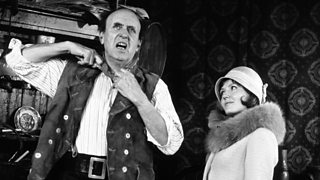
"is the novel funny in its own right?"
Cold Comfort Farm - what are the ingredients that make a funny book?
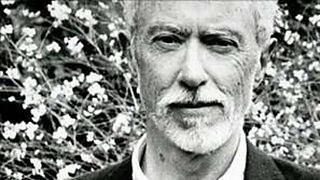
"This is anything but romance."
How JM Coetzee narrates the disturbing rape scene in his 1999 novel Disgrace.
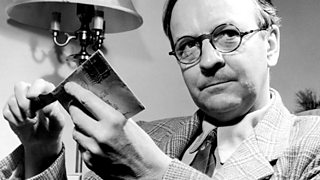
"The whole novel is a kind of joke."
Raymond Chandler's hard boiled detective fiction
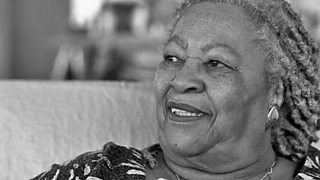
"Ever since I read it I've been haunted by it."
The unique qualities of Toni Morrison's writing in her great novel Beloved.