Main content

Air display
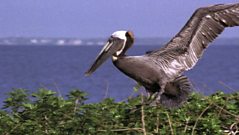
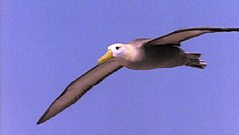
Flying in formation saves energy. A big bird like a pelican creates a trail of turbulence in the air and this can give a following bird some lift. The effect is greatest directly behind a bird's wing tip so that is the best place for a following bird to fly. Pelicans also save about 20 per cent of their energy by mixing flapping with gliding. Aerodynamically, it is better for a bird to time its flaps with those of the bird ahead. This is why pelicans give such amazing displays of synchronized flying.
Duration:
This clip is from
Featured in...
![]()
BBC Nature
Be captivated, informed and inspired by the world's wildlife.

More clips from The Mastery of Flight
![]()
Light fantastic
Duration: 01:48
![]()
Landing craft
Duration: 02:22
![]()
Stationary view
Duration: 01:19
![]()
Aerodynamic albatross
Duration: 01:59
More clips from The Life of Birds
![]()
Weka Territory—To Fly or Not to Fly?
Duration: 01:08
![]()
Feet on the ground—To Fly or Not to Fly?
Duration: 00:51
![]()
Thirst quencher—The Limits of Endurance
Duration: 03:10
![]()
Food on the run—Meat-Eaters
Duration: 02:12