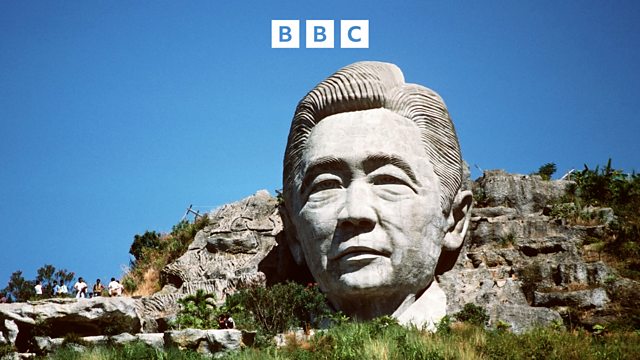
Airbrushing Autocracy: The Fall and Rise of the Marcoses
In 1986, the Philippines peacefully ousted its dictator in the People Power Revolution. 40 years on, the losers of that uprising are back in charge and they’re rewriting history.
On 25 February 1986, Asia’s oldest democracy peacefully took control of its destiny.
Ferdinand Marcos, a democratically elected president-turned dictator, who remains accused of widespread graft and human rights abuses, had gambled on one too many rigged elections. After days of mounting protests and the defection of the military to the opposition, Marcos and his family were ejected from their gilded palace in Manila. These events have since been named the People Power Revolution.
The uprising ushered in a return to constitutional democracy, guardrails on executive power, and a new constitution that redistributed power from Manila to local governments across the 7,500-island archipelago. It was also supposed to seal the fate of the Marcoses once and for all - permanent exile in Hawaii.
At least, so the Filipinos thought.
Forty years on, not only are the Marcoses back, but they’re arguably stronger than ever. Ferdinand’s eldest, Ferdinand ‘Bongbong’ Marcos Jnr, is now president, with his sister, son, and various cousins in Congress. It’s a far cry from the Philippines of 1986, when the post-revolution state vowed ‘never again’ to let any Marcos near the halls of power.
But the story of the last four decades isn’t simply one of a profound Marcos restoration. While the family has certainly been adept at resurrection, the story of the post-revolutionary Philippines can’t be separated from the failures of the post-revolutionary state. Politics remains dynastic, the economy profoundly unequal, while corrupt officials rarely face accountability. It’s a cocktail for popular disaffection with democracy itself.
Presenter: Shiela Coronel
Producer: Alan Weedon
Executive Producer: Louise Orchard
A 2 Degrees West production for BBC Radio 4
On radio

Broadcast
- Sat 14 Feb 202620:00BBC Radio 4
