Ae Fond Kiss by Robert Burns
4 Extra Debut. From America to Jamaica, singer Karen Matheson, writer Joan Donaldson and others explain what the song means to them. From 2025.
Robert Burns began a correspondence with Agnes McElhose, also known as Clarinda and Nancy, a married woman he was besotted with.
When she left Scotland to reunite with her husband he wrote Ae Fond Kiss as a heartfelt farewell.
It was later set to music and is one of his most famous 'songs' along with Auld Lang Syne and My Love Is Like A Red Red Rose.
Karen Matheson, the singer with Capercaillie, talks about its meaning to her and how performing it at the Commonwealth Games in Glasgow in 2014 was a very special moment.
Joan Donaldson from Michigan grew up with Scottish music and has called her latest historical novel Ae Fond Kiss. She says she channelled her grief into the characters as a way of dealing with a devastating loss.
Sir Geoff Palmer discovered the song when he arrived in Edinburgh in the 1960s. He has traced Burns' and the song's connection to his home country of Jamaica and feels proud of the links he discovered.
For film maker Karen Guthrie from Ayrshire - Burns' birthplace - coping with and caring for her estranged parents meant long drives home through the countryside he inhabited. It was a journey of rediscovering Scotland's national poet and relating her family's story to Ae Fond Kiss.
Musician Seonaid Aitken plays both versions of the song on the violin and explains how the music conveys the feelings of longing after an unresolved love affair.
Producer: Maggie Ayre
First broadcast on BBC Radio 4 in April 2025.
Last on

Broadcasts
 Sat 12 Apr 202510:30BBC Radio 4
- Mon 14 Apr 202516:30BBC Radio 4
- Mon 20 Oct 202500:15BBC Radio 4
- Fri 23 Jan 202610:00BBC Radio 4 Extra
- Fri 23 Jan 202616:00BBC Radio 4 Extra
- Sat 24 Jan 202600:00BBC Radio 4 Extra
Why Sam Cooke's 'A Change Is Gonna Come' became a Civil Rights anthem
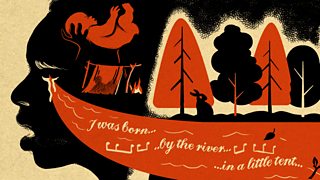
Watch the animation - Professor Mary King describes how the song became a symbol of hope.
Podcast
![]()
Soul Music
Series about pieces of music with a powerful emotional impact.