The Brain Tumour Charity
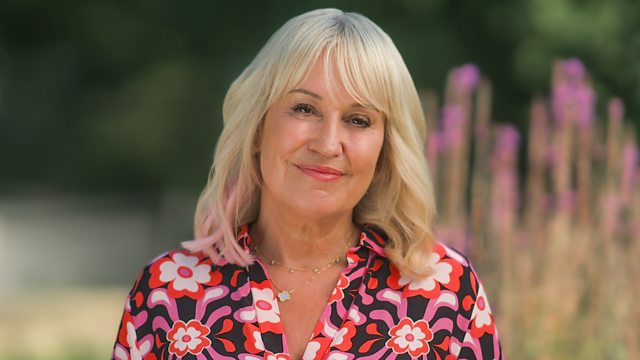
Nicki Chapman appeals on behalf of The Brain Tumour Charity, which funds research, as well as providing support and information for people with brain tumours and their families.
Last on

Clip
![]()
Nicki Chapman's Lifeline Appeal for The Brain Tumour Charity
Duration: 08:05
The Brain Tumour Charity
Every day, 34 people in the UK are diagnosed with a brain tumour and more than 5,000 people lose their lives to a brain tumour each year.
These statistics are shocking, and they aren’t improving quickly enough. But The Brain Tumour Charity is changing that.
They’re funding research to accelerate cures, they provide specialist support services and campaign for the needs of the brain tumour community - all to create a world where everybody affected by a brain tumour lives a longer, better life.
Only 13% of adults survive five years after a brain cancer diagnosis. That’s why The Brain Tumour Charity has invested £38m in finding desperately needed, new treatments since 2015. And they’re committed to attracting a further £200m of funding for research by 2030.
Brain tumours have a uniquely devastating impact on those diagnosed and their loved ones. That’s why The Brain Tumour Charity offer specialist support to anyone affected by this disease. Last year, they launched a new one-to-one counselling service. They also provide dedicated relationship counselling and support with benefits and managing money, through partnerships with Relate and Citizens Advice.
In 2022, The Brain Tumour Charity found that nearly 3 in 4 adults couldn’t name a single symptom of a brain tumour. They’re changing this and helping people get faster diagnoses by working closely with policymakers and promoting their Better Safe Than Tumour campaign. By supporting The Brain Tumour Charity, you’ll help us build a world where everyone affected by a brain tumour lives a longer, better life. Thank you!
Nicki Chapman
I’d like to tell you about The Brain Tumour Charity – a cause that I will always support after I was diagnosed with a meningioma in May 2019.
I’ll never forget the initial shock of that moment, and then struggling to share the bad news with friends and family. I was nervous about the surgery and what the future might hold. There were some dark and difficult days.
I was fortunate. I had successful surgery, recovered quickly and was back at work shortly afterwards, but only 13 per cent of adults survive for five years after being diagnosed with a brain cancer.
That’s why it’s so important to me to shout from the rooftops about The Brain Tumour Charity’s ambitious aims and brilliant work, and to let other people know they’re not alone.
By donating today, you can help people who are feeling anxious and frightened, and help scientists accelerate a cure for this awful disease.
Ravi
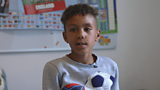
After developing a lopsided smile and a tremor in his left hand, Ravi was diagnosed with a low grade tumour in his brain stem.
During a 10-hour operation, surgeons removed some of the tumour. But Ravi still lives with its impact and so does his little sister, Maya.
He has regular checkups and has had surgery to try to correct his facial palsy, which makes him self-conscious and sometimes dampens his buoyant spirit.
His parents Gbenga and Bethan were anxious and overwhelmed: “We didn’t have a clear roadmap of what to expect.”
The Brain Tumour Charity became a “huge support” after sending the family an Information Pack and introducing them to other local families coping with similar circumstances.
“It made us feel that we weren’t alone in this.”
Ravi’s family has since given back - raising funds through a charity single, football fundraiser and fashion show.
Alan
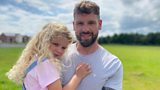
Alan’s wife Anneka was diagnosed with a glioblastoma in 2019, when their daughter Sienna was just a baby. Anneka died six months later, aged just 33.
Alan, a medical engineering technician from Dumfries, channeled his grief into supporting others raising more than £76,000 for The Brain Tumour Charity by running the London Marathon, and taking on other challenges.
He has amassed 40,000 followers on social media where he highlights the need for urgent action to improve outcomes for people with this devastating disease.
Knowing that the money he’s raised will contribute to funding groundbreaking research gives him some comfort.
He says: “Watching Anneka go through what she went through was so horrific. To think what it must have been like for her. Not seeing our daughter grow up and be the amazing mum to Sienna that she would have been gives me nightmares. That’s all she wanted to do.”
Mel
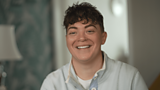
Sports coach Mel, 23, was diagnosed with a brain tumour in December 2022.
Her diagnosis came ‘out of the blue’ after what appeared to be a sinus infection. Then she developed sickness, blurred vision and blackouts.
An eye specialist confirmed her worst fears: “I knew I wasn’t well, but to hear those words “you have a brain tumour” - nothing comes close to describing that moment.”
Surgery meant Mel missed out on Christmas and New Year celebrations. 10 days later, she was discharged home to recuperate.
The Brain Tumour Charity’s support proved invaluable, especially the Young Adults Service.
Mel said: “A brain tumour diagnosis is scary and isolating. But talking to the other young people makes you realise you’re not alone!”
Mel has thrown herself into fundraising for The Charity by taking part in The Twilight Walk and supporting local fundraising events.
Dr Ola Rominiyi
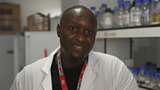
Dr Rominiyi is a Lecturer and a Specialty Registrar in Neurosurgery at the University of Sheffield. During his surgical training, Dr Rominiyi regularly saw the devastation brain tumours cause patients and families. This inspired the trajectory of his career, and he has since secured significant research funding, published multiple peer-reviewed papers, and delivered national and international scientific presentations. He has also created a large biobank of samples used by researchers and industry throughout the UK.
He’s a Future Leader at The Brain Tumour Charity – receiving a grant of £224,000 over three years to research how different cells repair their DNA.
It’s hoped this will help people diagnosed with high grade gliomas – affecting 2,000 people in the UK every year. Dr Rominiyi’s research will help find treatments that are more effective than those used today, delaying a recurrence of the tumour, and improving prognoses.Credits
| Role | Contributor |
|---|---|
| Presenter | Nicki Chapman |
| Researcher | Melissa White |
| Production Assistant | Sophie Evans |
| Production Manager | Katie O'Hanlon |
| Executive Producer | Hardeep Giani |
| Director | Charlotte Denton |