Sharon Stone, Gillian Keegan MP, Fertility & Race
Women's voices and women's lives - topical conversations to inform, challenge and inspire.
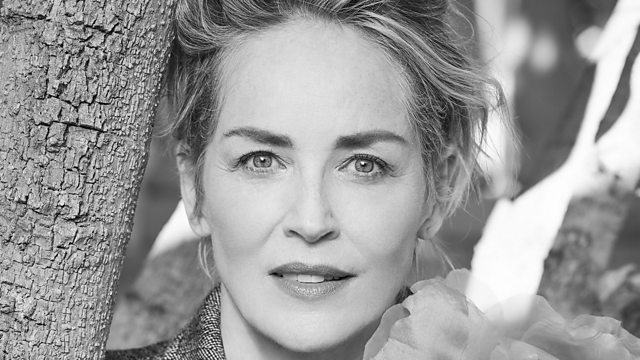
It’s nearly thirty years since Sharon Stone was in the film Basic Instinct, with the famous uncrossing-of-legs scene. She really wanted the role but only got it after twelve other actresses turned it down. After Basic Instinct more films followed including Casino alongside Robert De Niro. In 2001, after adopting her first child, she suffered a stroke and almost died. She’s now written her autobiography called The Beauty of Living Twice. She gave Woman's Hour her only UK broadcast interview.
On the morning that a new helpline has been launched for potential victims of school sexual abuse we speak to Gillian Keegan MP who's from the Department for Education.
We're talking about shop changing rooms with retail expert Catherine Shuttleworth. When lock-down lifts will you be using them, or sticking with ordering online and trying things on at home?
People from ethnic minorities who have fertility treatment are less likely to be successful. That's according to the Human Fertility and Embryology Authority. Their data says Black patients having the lowest chances of successful treatment whilst only 4% of egg donors were Asian. We find out more with Sally Cheshire, outgoing Chair of the HFEA and Dr Karen Joash, Consultant Obstetrician and Gynaecologist at Imperial College Healthcare Trust and spokesperson for Race Equality at the Royal College of Obstetricians and Gynaecologists.
Last on

Chapters
Sharon Stone interview
Sharon Stone interview
Sharon Stone talks about her new book 'The Beauty of Living Twice'
Duration: 16:11
Gillian Keegan on NSPCC helpline
Gillian Keegan on NSPCC helpline
Gillian Keegan joins to talk about a new helpline run by the NSPCC
Duration: 12:05
Fitting rooms reopening
Fitting rooms reopening
Changing rooms are set to reopen in line with the shops opening
Duration: 04:00
Race and fertility treatment
Race and fertility treatment
Ethnic minority people undergoing fertility treatment are less likely to have a baby
Duration: 08:03
NSPCC
NSPCCThe Report Abuse in Education helpline can be reached on 0800 136 663, on Monday to Friday 8am - 10pm, or 9am - 6pm at weekends. It can also be contacted by email at help@nspcc.org.uk
Broadcast
- Thu 1 Apr 202110:00BBC Radio 4
Follow us on Instagram

Get all the pictures, videos, behind the scenes and more from Woman’s Hour
Podcast
![]()
Woman's Hour
Women's voices and women's lives - topical conversations to inform, challenge and inspire

Related Content
