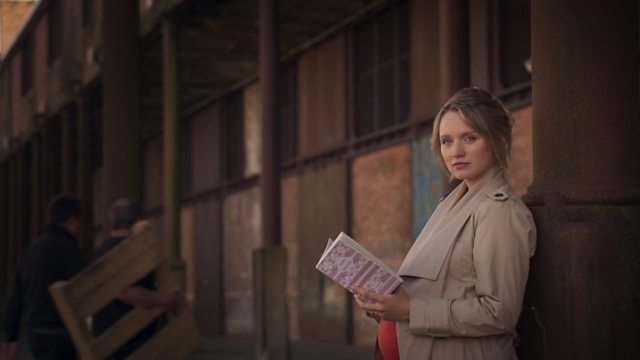
The Class Ceiling
This third episode of the series begins with one of the most famous portrayals of the poor and the destitute - Charles Dickens's Oliver Twist, published in 1837.
The story of class and social division has been a driving narrative since the very first novels in English appeared. Using performed readings and with contributions from contemporary novelists and critics the series explores the power that novels had in the past and still have today. This third episode of the series begins with one of the most famous portrayals of the poor and the destitute - Charles Dickens's Oliver Twist, published in 1837. The 'Condition of England' novel, by British novelists such as Dickens, Disraeli and Elizabeth Gaskell, whose Mary Barton is set in the industrial North of England, drew sharp attention to and pity for the lives lived by the have-nots in a 'two-nation' society. But, though sympathetic, these novels fell short of offering support for the aims of working-class movements. By the the next century, though, the voices of the workers had grown in strength and novels such as Robert Tressell's The Ragged-Trousered Philanthropists, published in 1914, pressed not just for reform and social change to take root.
Last on

Broadcasts
- Sat 27 Jun 202001:30GMTBBC News except UK & UK HD
- Sat 27 Jun 202008:30GMTBBC News except UK & UK HD
- Sun 28 Jun 202014:30GMTBBC News except UK & UK HD
- Sun 28 Jun 202020:30GMTBBC News except UK & UK HD
- Mon 29 Jun 202002:30GMTBBC News Latin America & North America only
- Mon 29 Jun 202012:30GMTBBC News except UK & UK HD
- Wed 1 Jul 202007:30GMTBBC News except UK & UK HD