Strange Fruit
An examination of harrowing stories from the American South behind 'Strange Fruit', made famous by Billie Holiday. From 2013.
"Southern trees bear a strange fruit, blood on the leaves and blood at the root..."
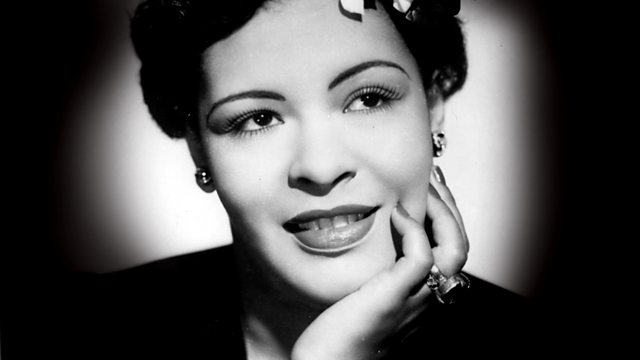
Billie Holiday's famous song expresses the horror and anguish of those communities subjected to a campaign of lynching in the American South.
Soul Music hears the stories of people whose relatives were lynched by white racists and of the various forms of grief, anger and reconciliation that have followed. These include the cousin of teenager Emmett Till, whose killing in 1955 for whistling at a white woman, added powerful impetus to the civil rights movement.
Despite its association with the deep south, the song was actually composed in 1930's New York by a Jewish schoolteacher, Abel Meeropol.
Meeropol adopted the children of Julius and Ethel Rosenberg after they were executed in 1953 as Soviet spies. One of those children, Robert, talks of his adopted father's humanity and his belief that the Rosenberg's were killed in a 'state sanctioned lynching by the American government'. For him, Strange Fruit is a comforting reminder of his adopted father's passionate belief in justice and compassion.
Series about pieces of music with a powerful emotional impact.
Producer: Maggie Ayre
First broadcast on BBC Radio 4 in November 2013.
Last on

Clips
![]()
Strange Fruit: Emmet Till's Cousin Speaks
Duration: 00:52
![]()
An 'orderly, humane' lynching
Duration: 01:26


Broadcasts
 Tue 26 Nov 201311:30BBC Radio 4
- Sat 30 Nov 201315:30BBC Radio 4
- Tue 26 May 201509:00BBC Radio 4
- Tue 26 May 201521:30BBC Radio 4
- Fri 5 May 201718:30BBC Radio 4 Extra
- Sat 6 May 201700:30BBC Radio 4 Extra
- Tue 23 Nov 202118:30BBC Radio 4 Extra
- Wed 24 Nov 202100:30BBC Radio 4 Extra
- Fri 26 Jan 202420:30BBC Radio 4 Extra
Featured in...
![]()
Soul Music—Soul Music Mixtapes
Music that has a powerful emotional impact on musicians and listeners alike.
![]()
BBC Music Day—BBC Music Day, 2015
Watch or listen to a day of BBC programmes celebrating music


Why Sam Cooke's 'A Change Is Gonna Come' became a Civil Rights anthem
Watch the animation - Professor Mary King describes how the song became a symbol of hope.
Podcast
![]()
Soul Music
Series about pieces of music with a powerful emotional impact