The remarkable lives and deaths of seven famous poets
What is the cost of poetry? Must poets be melancholic, doomed and self-destructive? Or is this just a myth? Novelists can be stable, savvy, politically adept and in-control, but poets should be melancholic, doomed and self-destructive. Why?
This week's Book of the Week, Deaths of the Poets, sees Michael Symmons Roberts and Paul Farley explore the myth of the doomed poet. By exploring the lives, opinions and deaths of a variety of famous poets, the book builds up a picture of what it is that makes poets want to write in the first place.
Here are seven facts about the lives and deaths – from 18 straight whiskies to catching a chill in a cave – of some of the poets discussed in the book.
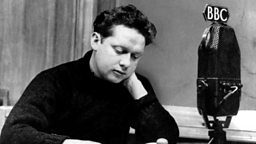
1. Author of Under Milk Wood and Do Not Go Gentle Into That Good Night, Dylan Thomas famously drank himself to death with 18 straight whiskies. But there were many at the time who believed it was actually medical mismanagement by the doctor caring for him afterwards at New York's Chelsea Hotel that killed him.
2. Despite being a successful poet, a writer for the New York Review of Books and a rising star of the literary world, in her 40s Rosemary Tonks had a powerful religious conversion and became a recluse, never writing poetry again. She settled in Bournemouth and refused meetings with anyone including her editor. It’s also said she then burned a number of unpublished works including a novel which she believed was the best thing she’d ever written.
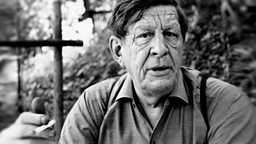
3. As well as being one of Britain’s greatest poets, W H Auden is also known for his prolific sex life. While resident in Kirchstetten, Austria, Auden had a relationship with a young car mechanic, Hugerl, which deepened into genuine fondness over more than a decade, even surviving Hugerl’s use of Auden’s yellow VW Beetle in a series of robberies in and around Kirchstetten, including at Auden’s own house.
4. Perhaps the most bizarre of poetic deaths discussed in Deaths of the Poets is that of Frank O’Hara, who was run over by a golf cart on a beach in Fire Island Pines, New York.
5. Sylvia Plath’s death in 1963 (from intentional asphyxiation), in a flat at 23 Fitzroy Road in London’s Primrose Hill, is well documented; but few are aware that the building already had literary connections, having previously been the residence of W B Yeats. In 2000 a plaque was unveiled at another address in Primrose Hill where Plath had also lived; asked why it wasn’t at Fitzroy Road, Plath’s daughter Frieda replied: “My mother died there… but she had lived here.”
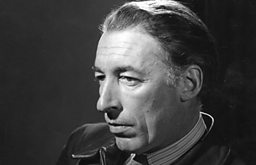
6. Irish poet and playwright Louis MacNeice was also a BBC Radio producer, and met his end after catching a chill in a cave in Yorkshire in 1963 while recording sound effects for a radio play.
7. US poet and scholar John Berryman, it’s safe to say, did intend to kill himself and jumped from a Minneapolis bridge just metres from where his archive now resides. He was identified by “a pair of glasses with his name on them and a blank check”.
Deaths of the Poets by Michael Symmons Roberts and Paul Farley is Book of the Week at 09:45 and 00:30 every day this week and read by the authors. All of the episodes are available to listen to now via the Book of the Week website.