How hospital chaplains have coped through a pandemic
When we think of people working in hospitals, we often think of those doctors, nurses and healthcare assistants on the front line, treating our loved ones – but hospitals are more than that, they can’t function without cleaning staff, porters or security, admin staff, mortuary staff and chaplains, whose job it is to support staff and patients.
5 Live’s Adrian Chiles spoke to two hospital chaplains who have been working throughout the pandemic, to find out what their experiences have been.
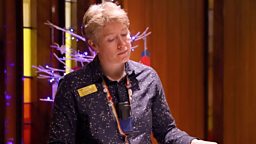
Katie Watson is the head of Chaplaincy at Newcastle upon Tyne Hospitals. She says the past year has been a “terrible time”.
“We’re seeing people who are being denied a chance to see their families, and likewise those who are unable to come in and see their loved ones.
“My dad died in June and I got ten minutes with him before he died, and I was angry. Sometimes the job is about being a conduit for that anger and taking it away from them - a chaplain’s job is to provide space for people to say whatever it is they need to say in that moment.
“My job is also to speak to staff and say ‘you are doing the very best you can in extraordinary circumstances and this is not your fault, this is not your issue – let us take that burden away from you so you can continue to be that person the relatives and the patients relate to.
“One of the things I always say to patients and families is I’m not here about religion, I’m here to see what I can provide for you at this place and in this time – if that is simply to get you something to eat and a cup of tea, I can do that.
“If it’s going to be somebody that you can shout at, that’s me. If it’s to cry, that’s fine – and quite often that’s what folks want to do, have somebody to sit and hold that space with them, and I do absorb it and take it away and what I do with it then is my business.
What Katie often does with the emotions she’s absorbed is to “leave some of that behind on the hills and just get rid of it.”
“My outlet is running, so at the minute my treadmill at home is getting some serious pounding, but when we’re allowed to be loose, I’m out to the hills and that’s where I lose those emotions.”
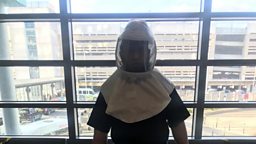
Mufti Mohammed Zubair Butt is the Muslim Chaplain at the Leeds Teaching Hospitals NHS Trust. He says religion is not always something he discusses with the people he meets in the hospital.
“Whilst we are people of faith, we come with no agenda and we are guests of the patients. I can spend an entire visit with the patient having nothing to do with the faith at all.
“It’s just what the patient wants to talk about… I can talk about the weather, politics or have a conversation about sport, which is sometimes cause for further misery to some people!
“Sometimes there are prayers and sometimes there’s discussions about the faith and aspects of the faith, but that’s led by the patient… On occasion there can be a question of ‘why me, what have I done wrong?’ And an expression of anger, and it’s about allowing them to express that and reassure them it’s not something they’ve done, but that as a person of the Muslim faith, it’s part of God’s plan and the wisdom we obviously are not aware of.”
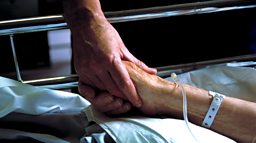
Mohammed says he has found patients who are dying are less concerned about themselves and more concerned about the families and friends they are leaving behind.
“All you can do is provide reassurance things will work out and they will be able to cope and slowly but surely they will right themselves and they will be able to get on with their life – that’s as much as you can do really.”
Katie says she sometimes gets asked what will happen after death.
“I say I cannot tell you what’s next, I can tell you what I believe comes next and that I can tell you wherever you’re going to next, there’s no pain, there’s only love and all those we’ve loved will be there somewhere to embrace you, you will not be alone, you will not be in pain and you family will be ok – we will look after them for you.
“A lot of the time, people who are dying are so generous in spirit. It’s not about them dying, it’s about the people they’re leaving behind. So to be able to give that reassurance they won’t be abandoned and we will care for them as best we can, it’s the way we go."