Main content
First Aid – What to do if an animal is injured in a road traffic accident
Road traffic accidents are by far the most common cause of severe injury in animals. If you know what to do at the scene, you can improve an animal’s chances of survival.
- Find out where your nearest veterinary practice is. If out of normal hours, you may be relocated to a different emergency centre. Always call ahead to give the vet details, seek advice and give them time to prepare the operating theatre.
- Keep calm and make sure the scene of the accident is safe before helping the animal. Check for traffic and other hazards.
- An injured animal is likely to be stressed and may bite or lash out, so approach with caution.
- Check for a reaction by stroking them and gently calling their name if you know it. If there is no response, you can check for consciousness by gently tapping near the inside corner of their eye.
- Check for a pulse on the animal’s underside below the elbow.
- Check for bleeding and cover any wounds with a clean tea towel to keep dirt out.
- To avoid further injury when removing the animal from the scene, slide a blanket under their body and use it to lift them. Get help if the animal is large. The parcel shelf of a car can be used as a makeshift stretcher if you think the animal has broken bones.
- Comfort and soothe them to help reduce the effects of shock.
- Even if the animal seems fine, it’s best to get them checked over by a vet as they may have internal injuries that aren’t immediately obvious.
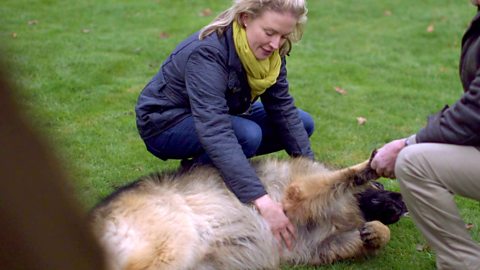
Animal first aid in road traffic accidents
First aid tips and practical measure you can take to help after a road traffic accident

