Seven things we learnt about the secret life of hair
Emma Tarlo, author of Entanglement: The Secret Lives of Hair, taught the Woman’s Hour team a lot they didn’t know about the follicle world…
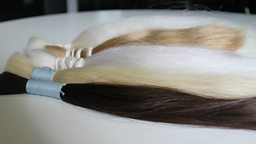
1) Selling hair is big business
“On the whole, it used to be poor peasant women in rural areas, who were selling their hair, which would be collected up and would be used for wealthier women’s hairstyles. And that was very, very common in the late nineteenth century.”
2) European locks are desirable
“European hair is generally more expensive partly because it’s more difficult to get hold of, but also because you also have a much wider colour range available… The vast majority of hair that’s on the market is black hair that’s gathered from different Asian countries.”
3) Virgin hair is untreated hair
“Virgin gold would be blonde virgin hair that hasn’t been treated at all. And of course that’s difficult to get hold of because many people are dying and bleaching their hair, they don’t necessarily have long hair in Europe and also many Europeans don’t want to sell their hair, although there is some trade coming in from Russia and Ukraine.”
4) The world of hair is top secret
“There’s partly a slight ‘yuck’ factor that people are slightly repulsed by the idea of the trade in a body part but there’s also a certain amount of shame attached to poverty if you’re selling your hair – so, you’re not going to want to advertise it particularly – and then, when you think of hair collectors, they want to keep their sources and supplies of hair to themselves… Even when hair’s in circuit, there’s a lot of anxiety about hair theft…”
5) Male pattern baldness is a very real issue
“I certainly found that the level of psychological stress linked to hair loss for men could be enormous… One man had said: “I look in the mirror and all I see is a sell-by date...’”
6) Orthodox Jewish women are obliged to wear wigs
“In certain sorts of Orthodox communities, there’s an expectation that you would wear a wig once you’re married… So, this is the idea that your own hair is sexualised and should be covered so it’s a gesture of modesty and it’s also considered a ‘mitzvah’ – a commandment or duty to cover it. So, most women will keep their own hair underneath but will purchase wigs and wear them in the public space.”
7) And… there’s hair in food?
“Hair is very rich in proteins and there’s a particular amino acid called L-cysteine, which is very good for giving elasticity to dough and therefore it was quite widely used in bread, and pizza and bagels and it was also used as a flavour enhancer. Now, technically that is illegal today but there is still L-cysteine being produced in the market in factories in China and being purchased it seems in Europe, and it’s very difficult to trace what’s going into what.”
You can listen to the full interview with Emma here. Follow us @BBCWomansHour.