Cheers! How John Gilroy’s revolutionary drinks ads changed advertising
3 October 2016
Although advertising imagery surrounds us each and every day, rarely do we give a second thought to who was behind it. Yet one budding Tyneside artist would change all that. Not only would he sign all his ads, he would occasionally appear in them. CHRIS JACKSON goes in search of John Gilroy, the man whose unforgettable artwork would help to turn a staple Irish drink into a global brand.
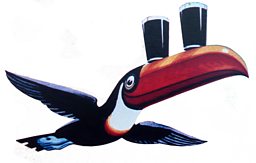
Three decades after his death John Gilroy’s name may no longer be on the tip of our tongues but his humorous characters are still firmly lodged in our collective memory. A mere mention of a toucan and most of us think of the flamboyant bird with a pint of Guinness perched on its beak.
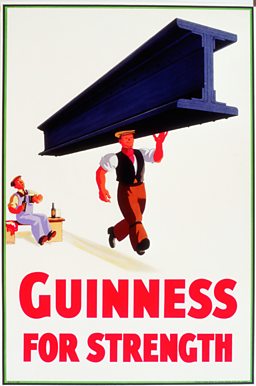
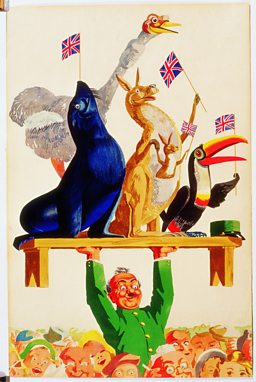
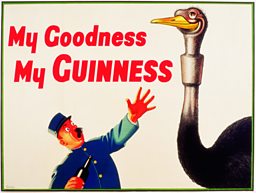
Whether it’s a harassed zookeeper trying to retrieve his beer from a menagerie of mischievous animals or a worker strolling along holding a massive steel girder aloft, his iconic campaigns transformed the staple Irish drink into an unmistakably dominant global brand.
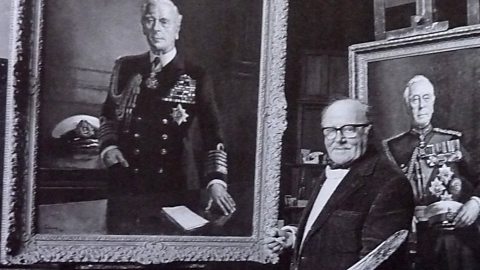
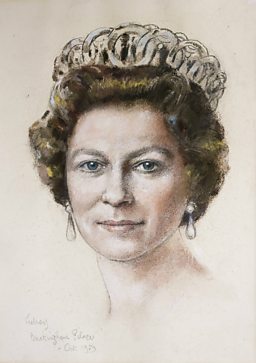
Away from adverts he was a gifted portrait artist, often in demand from the great and the good to capture their likeness.
Gilroy was a revolutionary in the advertising world who understood how his artistic talents could seduce an audience.
“His philosophy was somebody sitting on the top deck of a bus going past a hoarding should be able to quickly recognise the poster. You had to keep it simple, high impact, colourful, amusing."
"It had to be memorable", says David Hughes, a former Guinness employee who has written several books about Gilroy and the brand.
“The white background was important to him because he didn’t want the eye to be distracted". This trademark kept him designing Guinness adverts for three decades.
The Irish brewing family had shunned any form of promotion for more than 170 years but when they relented they insisted the quality of the advertising must be as good as the beer.
Guinness archivist Eibhlin Colgan is custodian of a vast collection of advertising. She credits Gilroy with not only creating great posters but infusing them with his spirit: “The little twinkle in the eye that Gilroy brought to Guinness really set up the brand for all the amazing advertising that followed”.
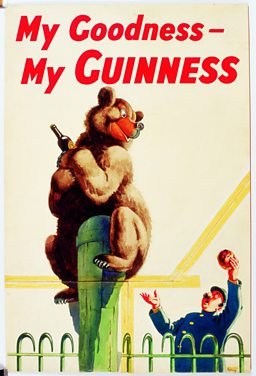
At the London based advertising agency S. H. Benson he worked alongside crimewriter and poet Dorothy L Sayers who famously penned a tongue-twisting rhyme to accompany the toucan posters. More often a three or four word slogan was enough to drive the message home; ‘My goodness, My Guinness’ and ‘Guinness for Strength’ have made their way into the vernacular.
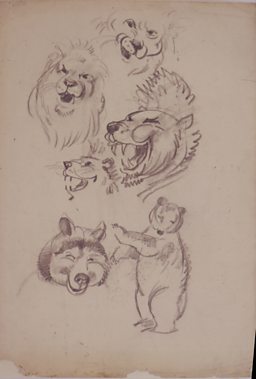
But is it art? Gilroy was at pains to point out that all his creations were seriously designed. Potentially scary animals such as a bear were drawn with such a kind eye they were instantly loveable.
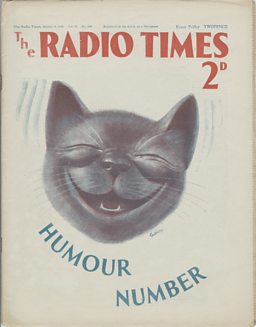
Not that everyone was amused. Radio Times commissioned him to come up with a cover for a special humour edition and an apparently simple smiling cat’s face was enough generate a mixed postbag:
“My small son was so convulsed with laughter it is now a permanent addition on the wall of his nursery”, Dr. John Pryde, Cardiff.
“Could you possibly find anything more revolting? If so, please get a new artist.” J Crawshaw, Leeds.
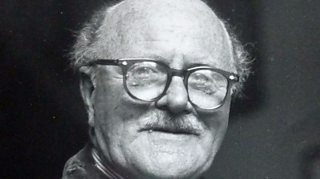
Who was John Gilroy?
John Gilroy: Advertising’s revolutionary designer
The artist produced iconic campaigns that transformed Guinness into a global brand.
![]()
Find out more on Inside Out
Chris Jackson from BBC North East and Cumbria's Inside Out tells the heartwarming story of the artist whose work helped sell millions of pints.
The Royal Family had no qualms about calling on Gilroy. Away from adverts he was a gifted portrait artist, often in demand from the great and the good to capture their likeness.
It probably wasn’t until he became famous for his commercial art that those in the artistic hierarchy gave him the respect he deserved
Grandson Jim Gilroy recalls entering his cavernous studio in Holland Park as a child. “He was colourful and not just because he was always covered in paint. If he pulled his handkerchief out, it would become an animal and chase you around the room”.
“He was very humorous and it’s no surprise to me that on his first visit to Buckingham Palace to paint the Queen he knocked over his easel and it amused Her Majesty and they immediately hit it off.”
Despite that royal approval and public acclaim Jim Gilroy believes “it probably wasn’t until he became famous for his commercial art that those in the artistic hierarchy gave him the respect he deserved.”
In the early days growing up in Newcastle it was clear where his destiny lay.
As a teenager he earned pocket-money drawing cartoons for the local paper. A skill he indulged later in life creating line portraits of famous figures, where his pen never once left the page.
Scholarships, a place at the Royal College of Art, Royal commissions and exhibited works at the Royal Academy were the official markers of a great talent, but it was his 30 years of designing posters that brought him fame and a remarkable place in advertising history.
For the 1953 coronation he produced a poster of his infamous zookeeper and menagerie waving the Union Jack. It was the first ad where the product and brand name were nowhere to be seen. His creations were now so famous they needed no explanation.
Interestingly Gilroy also captured the Queen’s coronation procession in an oil painting which currently hangs in the British Embassy in Cuba.
Jim Gilroy says his grandfather didn’t distinguish between his commercial work and paintings. “I don’t think he would have seen it as a trade, he saw it as an extension of his portraiture. He was proud of both”.
He certainly lives on in creations because the chubby cheeky-chap features of the Zookeeper are unmistakeably a self-portrait - in body as well as soul.
Asked in a BBC interview a few years before his death if people would remember ‘Gilroy was here’ he replied; “Ah, yes they will. If they follow some of my humour they’ll say he certainly was here.”
Chris Jackson tells the story Tyneside's forgotten artist John Gilroy on BBC Inside Out North East & Cumbria on Monday 3 October at 19.30 and available on iPlayer thereafter.
More from BBC Arts
![]()
Picasso’s ex-factor
Who are the six women who shaped his life and work?
![]()
Quiz: Picasso or pixel?
Can you separate the AI fakes from genuine paintings by Pablo Picasso?
![]()
Frida: Fiery, fierce and passionate
The extraordinary life of Mexican artist Frida Kahlo, in her own words
![]()
Proms 2023: The best bits
From Yuja Wang to Northern Soul, handpicked stand-out moments from this year's Proms