10 different uses of the swastika. None of them Nazi
The swastika is one of the most ancient symbols used by humans and has been found in nearly every corner of the world. But for most people in the West, the swastika remains inextricably linked to the atrocities committed by the Nazis in the last century.
In Reclaiming the Swastika, Mukti Jain Campion reports on calls to reclaim the symbol from its Nazi links and restore its origin as an ancient symbol signalling good luck.

1.
The word swastika comes from Sanskrit meaning well-being. It has been in use for thousands of years, particularly by Hindus, Jains and Buddhists as an auspicious sign which is part of everyday life. In India it is often found painted over doorways or on motor vehicles.
2.
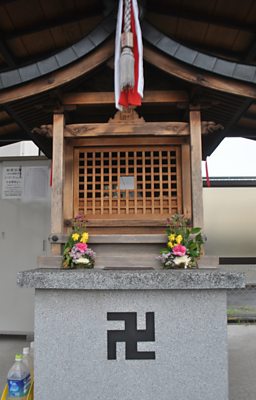
In Japan the swastika is known as manji. It was used on Samurai swords and traditional kimono designs. Today it is often seen on maps signifying the location of a Buddhist shrine.

3
At the beginning of the 20th Century there was a fashion for the swastika in the West. It was widely used on buildings, in advertising and in product design.

4.
The swastika was used by American military units during World War One and it could be seen on RAF planes as late as 1939. Most of these benign uses came to a halt in the 1930s as the Nazis rose to power in Germany.
5.
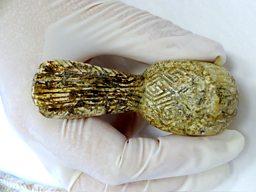
The world's oldest identified swastika pattern is on a mammoth ivory bird figurine from Mezin in Ukraine. It has been radiocarbon-dated to 15,000 years old.
6.
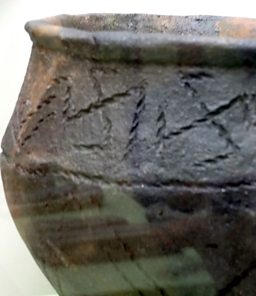
By the Bronze Age, swastikas were found across Europe as well as in India. This clay pot was found in a burial mound in Ukraine and is around 4,000 years old.
7.
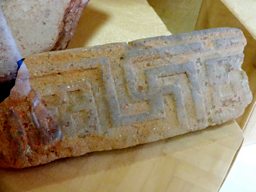
The ancient Greeks often used the swastika as an architectural motif. Linked swastikas formed a border design which is still in use today.
8.
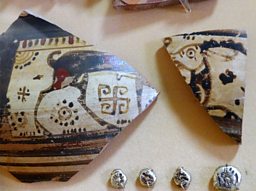
This fragment of an ancient Greek pot is from the 7th Century BC and shows a curly swastika underneath the belly of a goat.
9.
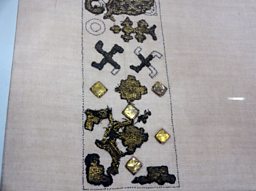
This rare textile fragment of a dress collar embroidered with gold swastikas dates from around the 12th Century AD and is believed to have belonged to a Slav princess. The swastikas were supposed to help ward off evil.

10.
On Learn to Love the Swastika Day in November 2013, tattoo artists around the world offered free swastikas to members of the public to raise awareness of the symbol's long history.
![]()
Reclaiming the Swastika
Mukti Jain Campion reports on calls to reclaim the symbol from its Nazi links.