8 things you may not know about music festivals
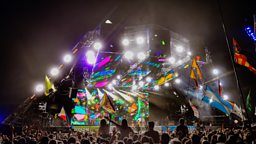
Summer in the UK would be nothing without the festivals. From Download to Glastonbury to Bestival, almost every weekend is an opportunity to escape your routine and see some of the world's biggest stars perform in the great outdoors.
6 Music has explored the story behind our love for music festivals in A Brief History Of Music Festivals, where we packed iconic performances and key festival facts into a single hour of radio, presented by Chris Hawkins and Tim Burgess.
We've taken a listen and here's what we learned.
1. Festivals date back to the 1950s
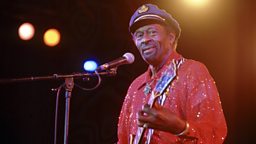
If it wasn't for Chuck Berry, music wouldn't be where it is today, but there's a good chance that without Chuck, festivals wouldn't be what they are today either.
The Newport Jazz Festival started in 1954, but in 1958 boasted performances from Chuck along with Louis Armstrong and Dinah Washington.
The festival offered attendees three of the biggest names in the genre and multiple reasons to buy a ticket - and is credited with being the first festival to offer a line up of this quality and appeal.
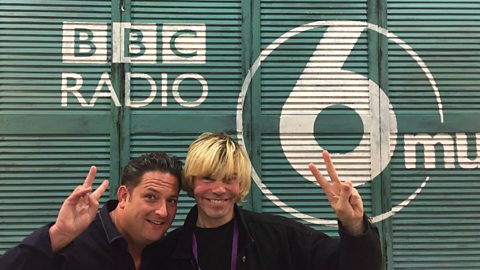
V98? Did we headline?!
The Charlatans’ frontman tries to remember if he ever headlined V98 (he did!)
2. And we have jazz to thank for more than that
You might not think it when you hear the stories of burning tents and teenagers running riot after picking up their exam results, but Reading Festival started life as a jazz event.
The National Jazz Festival was first held in 1961 and ran for 10 years in locations in London and the surrounding counties before settling in a more permanent home in Reading in 1971.
Organisers opened the line-up in 1963 to r&b acts, with The Rolling Stones, Georgie Fame and Long John Baldry making appearances. Twenty years later, Reading Festival established itself as a rock and metal festival in the 1980s.
3. Bob Dylan shocked the world in 1965
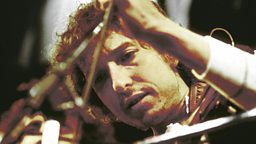
Fans gathered at the event expecting Bob Dylan to deliver his usual folk set when he performed at the Newport Folk Festival in 1965, but they were in for a bit of a surprise.
It was this performance when he first performed a more electric sound - much to the disgust of folk star Pete Seeger, who believed the festival was for folk and folk music only.
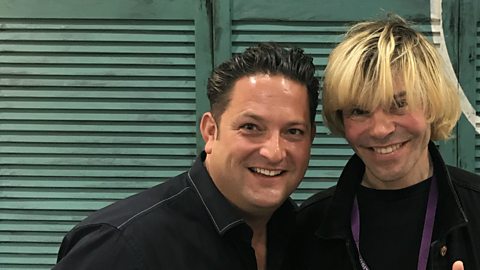
Tim Burgess on Glastonbury
Tim Burgess tells us who he caught on the bill at his first ever Glastonbury
4. Organisers' plans couldn't always be trusted
Woodstock is one of the most iconic names in the festival world and was billed as "three days of peace and music" when it took place in 1969 but in fact spilled over across four.
400,000 people attended and festival opener Richie Havens was forced to perform for three hours after the band who were meant to kick things off were caught in traffic. Tim Burgess describes the event as "naive and beautiful".
5. 700,000 people went to the Isle Of Wight in 1970
If you've been to The Isle Of Wight festival or Bestival, you'll know what it's like to queue for the ferry to and from the mainland.
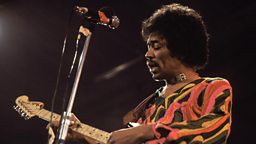
In 1970, an estimated 700,000 people travelled to the Isle Of Wight festival to see Jimi Hendrix perform at what is believed to be the biggest festival of all time.
6. Glastonbury changed everything in 1971
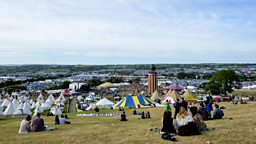
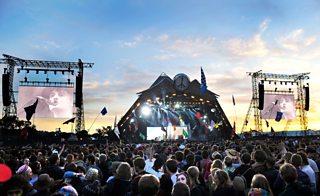
Known as Pilton Festval when Michael Eavis first invited thousands of strangers onto his farm in 1970, 'Glastonbury Fair' took place in 1971 and began what is now a British music institution. David Bowie headlined, along with performances by Fairport Convention, Hawkwind and many more.
This was also the year organisers introduced the now-iconic Pyramid Stage but it wasn't until 1989 when unofficial soundsystems started to appear at the festival.
Now, Glastonbury boasts 11 stages offering live performances and more than 50 other destinations packed with DJs, cabaret and more musical excitement.
An estimated 135,000 people attended Glastonbury in 2017, and if you want to catch up on the action, you can find all the best bits on BBC Music.
Tim Burgess on Bowie
Find out what Tim Burgess said to David Bowie when he met his idol for the first time.
7. Nirvana thought their 1992 Reading appearance would end their career
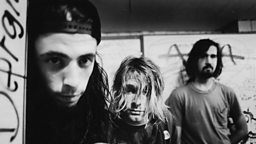
Tim Burgess was at Reading in 1992 but admits he "can't remember any of it."
That's a shame, because otherwise he might recall Nirvana's now-iconic headline slot, which Kurt Cobain arrived on stage sat in a wheelchair and wearing a wig.
"We rehearsed once the night before and it wasn't good," said Dave Grohl after the performance, as stated by Chris Hawkins during the show. "I really thought this will be a disaster, this will be the end of our career for sure."
It wasn't, of course.
Tim Burgess on Kurt Cobain
Tim Burgess reflects on where he was when he heard that Kurt Cobain had died
8. Things got serious in the 90s
During the summer months, UK music fans are now spoiled for choice when it comes to weekend festivals, with countless options for all music tastes. The festival scene first started to get crowded in the nineties, when T In The Park, Creamfields, V Festival, Global Gathering, Bestival, Green Man and Kendall Calling began and Donnington's Monsters Of Rock festival became Download.
Further afield, Coachella and Lollapalooza began in the US, the latter set up by Perry Farrell of Jane's Addiction and becoming the world's first touring festival.