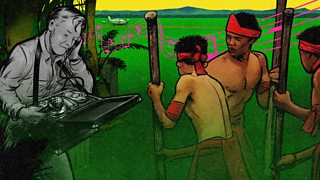
Seven ways to be immortal
As the old years pass and new ones arrive, it can be hard to escape thoughts about ageing. Immortal North, a new BBC Radio 3 documentary, heads north to examine the science and ancient beliefs around the subject. Here are seven things we learned about the quest for immortality…

1. Embrace technology
We already enhance our immune systems with vaccinations, so prepare yourself for the enhancements that are in the pipeline. Many in Silicon Valley are working hard at a "solution" to death. Like Aubrey de Grey of the SENS foundation who is researching cures to the diseases of aging. He says the first person who will live to 1000 has already been born. Or Dmitry Itskov, the founder of the 2045 Initiative, who is working with a network of scientists to achieve immortality. He plans to upload people’s minds to computers, and suggests that by 2045 he’ll give us all the opportunity to live for as long as we like. Life as an upload would be interesting – you could make back-up copies of yourself, and transmit yourself as information at the speed of light.
2. Work at it
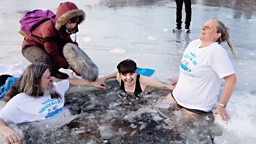
If you need inspiration, check out Trygve Bauge. He plans to live as long as possible, with a regime taking in the restorative power of ice: "A day spent ice bathing and in the sauna is a day when you don’t age." He has dramatically changed his diet and lifestyle, and has an interest in his local network of nuclear bunkers... just in case!
3. Move to Svalbard
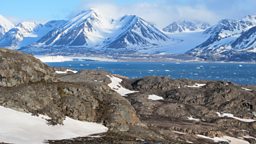
It is illegal to die in this remote Norwegian archipelago, and has been for over 70 years. The tiny graveyard stopped accepting newcomers after they realised bodies were being preserved, rather than decomposing. However the permafrost also preserves deadly viruses – Svalbard has been searched for the virus that caused the catastrophic Spanish Flu outbreak in 1918, and in Russia there have been reported deaths from ancient anthrax spores, released and activated as the permafrost warmed.
4. Stay cold
Cold slows things down: trees grow more slowly, things last longer, DNA damage in our cells is reduced. Some bacteria can live for hundreds of thousands of years in low temperatures, and permafrost researcher Anatoli Brouchkov even claims to have found 3.5 million-year-old bacteria which is still active, which he believes could hold the clue to future immortal human life.
5. Be a seed
Seeds are much better at lasting a long time than the fleshy bodies we hop around in. Some have been known to germinate successfully after 2000 years. If you were to make the transition you might even make it into the Svalbard seed vault, which in its icy chambers holds the seeds for the world's crop plants – an eternal insurance policy for global agriculture.
6. Head North
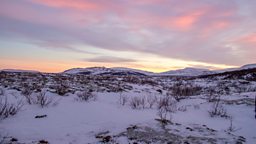
There are centuries of stories about astonishingly long-lived people in the far North; they’ve been met by everyone from ancient Greek explorers to 18th-century Brits. Perhaps there is some truth to these stories of the residents of Hyperborea and Thule – if you went there you might not just lose yourself in the endless, eternal ice, you might pick up some cloneable traits in mythical DNA.
7. Have a back-up
Sadly, all those who claim to have invented an elixir of life have one thing common – they’re now six feet under. Philosopher Stephen Cave believes he has found a tried and tested back-up plan which has been part of global religion and culture for centuries: "You could rise again; cultivate your immortal soul; or create a unique legacy and so live on in people’s memories."
![]()
Sunday Feature: Immortal North
Eleanor Rosamund Barraclough, lover of all things Nordic, offers a practical guide to immortality, life extension and survival in the far North.

Sunday Feature on BBC Radio 3
![]()
Listen to the programmes
Documentaries which explore music, history, science, visual arts and literature.
![]()
Six secret smuggled books
Six classic works of literature we wouldn't have read if they hadn't been smuggled...
![]()
Attenborough's field recordings
Unlikely music performances captured.
![]()
Podcast
Download Sunday Feature to your smartphone or tablet device.