Making the past a thing of the future
When we hear 'heritage' some of us might immediately think of museums, National Trust properties, visiting ruins or maybe researching a family tree. However heritage is about so much more than that: stories, food, language, the places we live.
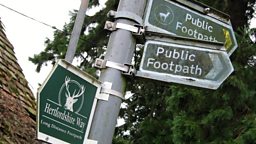
If you want to learn more about everything that heritage projects can encompass, a great place to start is the website for the Heritage Lottery Fund. Since it was created in 1994, the fund has been the largest dedicated funder of heritage projects in the UK, with £6billion awarded to more than 36,000 projects.
| Why get into heritage? | Can it be inexpensive? | Is there a family option? |
|---|---|---|
| It’s a fascinating way to really think about ourselves and look at the world around us. Embracing heritage activities is a way to celebrate who we are, feel proud of where we live and understand more about our surroundings and communities. It also looks forward – what we do today creates the heritage of the future | Heritage activities needn’t cost you a penny. It’s free to walk around your neighbourhood or visit a library and lots of museums are free | Lots of museums cater for families with discovery trails and exhibits targeted at the young and enquiring |
What would you like to try?
Get walking
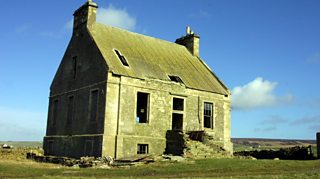
Heritage is all around us, before you even set foot in the places like museums where you might expect to find it
Walks are a brilliant way of immersing yourself in heritage. You can go on a guided walk around your local area or further afield. If you get enthused by discovering more about your locality you could be brave and lead a walk, sharing your knowledge with others. Maybe you are interested in the buildings in your neighbourhood. Why were they built and by whom? How have they changed in terms of use or ownership? Not only will you learn a lot, you’ll get exercise in the process!
Volunteer
Volunteering offers so much. It allows you to spend time around an area or venue that’s of particular interest and share your knowledge and enthusiasm with others. In some cases you might receive priority booking or discounts for events in return. And of course it also gives you a good feeling, as so many organisatons and groups rely on an army of volunteers, freeing up much-needed funds to be deployed elsewhere. The National Trust offers a range of activities for volunteers. You could help out in your nearest National Trust house, have a working holiday on one of their projects or get involved with activities by signing up to volunteer as a family. Check out websites for museums, venues and groups that interest you to see how you can be part of the team.
Record your experiences
If you’ve been to an exhibition that inspired you, find a platform and blog about it. Taking photos is another good way to have input on heritage projects. Your shots of neighbourhood landmarks might find a home on a website covering local history. Recording sounds is a good starting point for a project too. What are the noises in your local streets? How would they have been different in another era?
Museums
This might seem obvious, but if you are interested in heritage, go to museums. Many of us have been to the most famous ones. There are museums of various sizes and styles, and discovering a new one is a treat. In Scotland, why not investigate the armouries at the Kelvingrove Art Gallery and Museum in Glasgow? Or find out what life was like in the Northern Ireland of yesteryear at the Ulster Folk and Transport Museum. And if the idea of a museum to coal mining doesn’t have you rushing to get your coat, you’ve clearly never been to Wales’s Big Pit National Coal Museum in Torfaen, where visitors don helmets and cap lamps before being lowered 90m below the ground for a walk around the mine's tunnels. If you are near Bristol, Blaise Castle House Museum is definitely worth a visit. It’s filled with thousands of everyday objects to illustrate Britain's social history, such as period costume and Victorian bathtubs. Whether you want football, fashion, toys or travel, there’ll be a museum to fit the bill.
Relics and ruins
Archaeological discoveries are all around us, sometimes in the most unlikely places - as the story of Richard III’s remains under a car park in Leicester proved. If unearthing history is where your interest lies, look for local groups and join in a dig. The Council For British Archaeology is a good place to look for news, information about projects and updates on events such as the annual Festival Of Archaeology.
Natural heritage
Buildings might be an obvious, visible symbol of our changing world, but of course our surroundings, flora and fauna change too. Did you know that there are heritage trees? A heritage tree is typically a large, individual tree with unique value, which is considered irreplaceable. Landscapes are an important part of our past. The UK invented the municipal park movement, an enduring legacy of the industrial revolution. Along with our historic cemeteries, each park tells a story inextricably linked to the history and everyday lives of local communities. Find out about gardens and parks near you. Who designed and built them? Why? Who were they for, and how can we preserve them for the future?
Back to your roots
STAMP is the Shad Thames Area Management Partnership, a community collaboration between residents, businesses, cultural organisations and the local council.
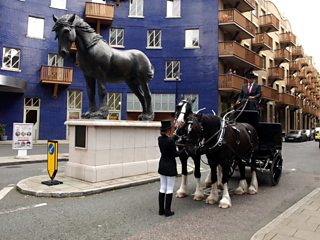
We are finding creative ways to celebrate the past, present and future of this iconic place.Janet Morris
Since starting in April 2014, a growing group of volunteer stakeholders has been working to make the Shad Thames conservation area an even better place to live, work and visit.
From bigger projects, like the Streets Project - an overview of the streets, traffic and the public areas– to specific initiatives, like a vertical green wall and the Shad Thames Trail, STAMP is finding ways to enhance the heritage of the area while also celebrating its 21st century identity.
Janet Morris, long-term local resident and current STAMP chair, has led events every three months - walks, talks, open discussions and even a visit by dray horses to mark the local brewing heritage.
“We are finding creative ways to celebrate the past, present and future of this iconic place,” she told Get Creative.
"This is a much-loved area and people are keen to know more about it. You don’t need to be born somewhere or even live there a long time to feel proud of a place. And you don’t need to be an expert to share knowledge. Getting involved has made me feel very rooted here and has connected me with so many of my neighbours, both residents and businesses.
"We now share our experiences and our ideas – together celebrating the area’s past and present, and shaping its future. And the more we learn, the more enthusiastic we become.”