Classical Chillers
When it comes to horror, classical music’s ability to create a soundscape of pure terror is fierce as hell – as these six tracks selected with the help of Radio 3 presenter Rob Cowan reveal…
1. Music for lost souls
Remember little Danny riding over through the long deserted corridors of the Overlook Hotel? The slow building of strings in this Bartók piece was used in Stanley Kubrick’s early 1980s movie The Shining. Music for Strings, Percussion and Celesta perfectly captures the slow sinister descent of the story into dark terror.
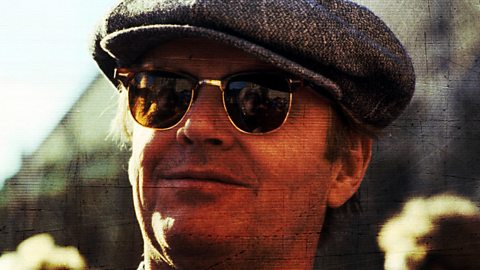
Bartók's Music for strings, percussion and celesta, as featured in The Shining
“What you need are thrusting rhythms... with plenty of antiphonal information...”
2. The knife in the shower
During a stopover at the seedy Bates motel, Marion Crane slides behind the shower curtain to freshen up before continuing with the journey to her debt-laden boyfriend with the spoils of a bank deposit she has stolen. So far, so gruesome. But the iconic scene where she meets her grisly end at the hands of Norman Bates in Alfred Hitchcock’s masterpiece, "Psycho", may not have inspired such fear in generations of viewers were it not for the dynamic tension ratcheted up by the discordant invasive strings of Bernard Herrmann’s great score.
3. The creeper
Understated yet eerie, Christopher Komeda’s soundtrack to Rosemary's Baby perfectly reflects the fate of Rosemary whose life begins to unravel after she moves into an apartment block in Manhattan’s Upper West Side and falls pregnant. The music can be heard in a two-hour reading of Ira Levin’s modern occult novel on Radio 4’s Fright Night, read by Kim Cattrall. Sample the opening Lullaby here:
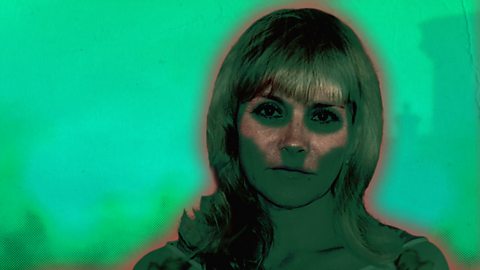
The opening of Rosemary’s Baby
Kim Cattrall reads. Features music by Christopher Komeda, used in the 1968 film.
4. By hook or by crook
As far as urban legends go, summoning a murdered artist and son-of-a-slave, and incurring his wrath by intoning his name five times while looking into a mirror, seems as scary as any we’d like to contemplate. And while the exploits of Cabrini-Green's residents seem masochistic enough, the opening track of Philip Glass’s gothic soundtrack to the 1992 film, Music Box, uses a pipe organ and chorus to exploit the terrific possibilities of the creepy drama and send shivers down your spine.
5. Cleaven by the guillotine
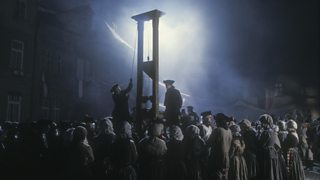
For downright chilling evocations, Berlioz is the ultimate craftsman. In the fourth movement of his now legendary Symphonie Fantastique he vividly depicts an artist’s march to the scaffold for having killed his lover, as well as the death blow he receives and the uproar of the crowd. The French composer conjures up some of the most suggestive music in western history, creating the impressions of a witch’s Sabbath, replete with ghost, ghouls and monsters of every sort of spine-tingling beast in attendance at the funeral that follows - as played here by the BBC Scottish Symphony Orchestra conducted by Donald Runnicles.
6. Where waltzes turn into the stuff of nightmares
Entitled “Night on Earth”, the auguries of the scherzo from Mahler’s Seventh Symphony already suggest all things supernatural and malevolent. A supposed mockery of the Viennese Waltz, many describe the movement as the darkest and most threatening in the entire work. At the height of the witching hour, pizzicato bases and timpani herald a nightmare during which Mahler uses otherworldly woodwind shrieks and spooky texture in the basses, as well as a melancholic theme in the woodwinds, to distort the regal dance form by fragmenting its structure, abandoning the sense of pulse, and spookily hollowing out this gallant courtly dance.