Huntingdon gets in on the act
A pie, a pint and a play - how a lack of theatres made all the world a stage
It wasn't quite Glastonbury, but strict laws regulating theatres introduced in the early 18th century meant touring actors had to get quite creative on where they staged their plays. And performing Shakespeare was no exception. Paranoid Prime Minister Robert Walpole's licensing act attempted to crack down on satires poking fun at the government of the day, effectively forcing theatres out of business.
![]()
Much ado near me
Hear more Shakespeare stories on BBC Radio Cambridgeshire
![]()
Shakespeare Festival 2016
The BBC celebrates the genius of the bard


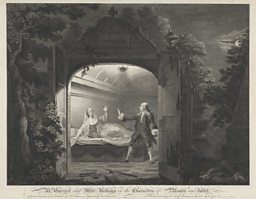
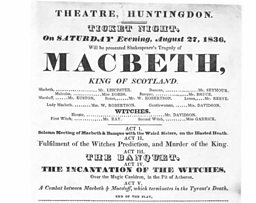
But thanks to inventive actors and magistrates turning a blind eye, plays like Macbeth and Romeo and Juliet were popping up in a host of unusual places, from barns and town halls to the upstairs of a pub. As this playbill from Huntington shows, it says the venue is a theatre, except there wasn't one in the town.
In the early 18th Century, most towns did not have permanent theatres – they were served by groups of travelling players of varying quality that would set up in barns or town halls for as long as necessary, before moving on.
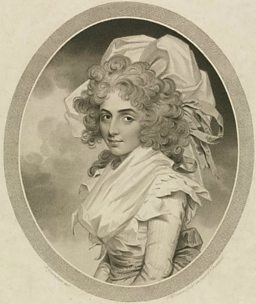
From the mid eighteenth century onwards actors such as David Garrick, and then later the Kemble family including the actress Sarah Siddons, toured in Shakespearean productions, joining a local company and taking the lead roles. As provincial towns grew larger, some began to desire a permanent playhouse with a resident theatre company.
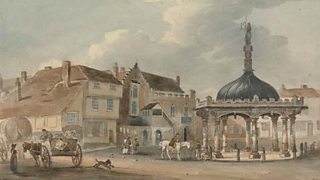
Places like Huntingdon wanted to get in on the act. Although there is no theatre listed on the playbill, it was most likely a temporary theatre that was used for other purposes outside the brief theatrical season – which was all a town like Huntington could support.
This production could have been staged by a local touring company visiting for the summer – it is dated 27 August, or staged by local actors.
If there had been big stars in the play, then they would have had top billing on the poster, before the title of the play.
In our example, the play’s the thing – the big attraction to local audiences and it’s a great choice.
The big dramatic roles of Macbeth and Lady Macbeth, were ones that every ambitious actor or actress would aspire to play.
Shakespeare’s cabaret show in the town hall
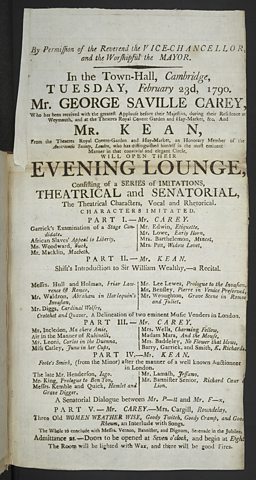
Another theatre playbill stored in the British Library shows how Shakespeare was being performed in new and imaginative ways.
In this particular performance or “Evening Lounge” in 1790, we see advertised a series of ‘imitations’ – or sketches – featuring songs and impressions from the Bard’s plays.
It’s all being performed not in a theatre – as theatres were not established in every town – but in the town hall.
It promotes an evening of entertainment which comes across as a veritable 18th century Shakespearean cabaret!
Related Links
Saturday evening entertainment in 1836
About Shakespeare on Tour
From the moment they were written through to the present day, Shakespeare’s plays have continued to enthral and inspire audiences. They’ve been performed in venues big and small – including inns, private houses and emerging provincial theatres.

BBC English Regions is building a digital picture which tracks some of the many iconic moments across the country as we follow the ‘explosion’ in the performance of The Bard’s plays, from his own lifetime to recent times.
Drawing on fascinating new research from Records of Early English Drama (REED), plus the British Library's extensive collection of playbills, as well as expertise from De Montfort University and the Arts and Humanities Research Council, Shakespeare on Tour is a unique timeline of iconic moments of those performances, starting with his own troupe of actors, to highlights from more recent times. Listen out for stories on Shakespeare’s legacy on your BBC Local Radio station from Monday 21 March, 2016.
You never know - you might find evidence of Shakespeare’s footsteps close to home…
Craig Henderson, BBC English Regions
An Overview of the Licensing Act 1737
Around the time of this production of Macbeth in 1836, theatre in general had been highly regulated for nearly a century.
It was back in 1737 that the then Prime Minister Robert Walpole introduced the Licensing Act. It was a bid to gain control of the playhouses after Walpole’s government was the subject of numerous satires on the London stage.
The Act introduced strict controls and censorship on theatres. It stated that all new plays must be submitted to the Lord Chamberlain for examination and were subject to his censorship, that only theatres that held a patent could stage theatrical entertainments, and that no new patents could be issued.
As only London’s Covent Garden and Drury Lane held patents, they were effectively the only places in the whole country that could legally stage Shakespeare.
At this time, most towns did not have permanent theatres, they were served by groups of travelling players that would set up in barns or town halls for as long as necessary, before moving on. Under the Act they were now operating illegally but local magistrates were often willing to turn a blind eye and allow them to continue playing. Some did so from a love of the arts, some because they enjoyed the financial remuneration from grateful players, and some because they were simply unhappy with Westminster’s attempt to dilute their powers as previously local magistrates could license players as they saw fit.
Also you can see from the British Library’s stock of playbills that in order to get around the license laws, the Shakespeare play was sometimes billed as being in the middle of a concert or musical performance. This gave the impression that what was on offer was not a play but a mix of entertainment. In reality of course, the audience would be attending to see the play and not to hear the music. But by charging for the concert the theatre manager avoided prosecution.
![]()
Shakespeare Lives
The nation’s greatest performing arts institutions mark 400 years since the Bard's death

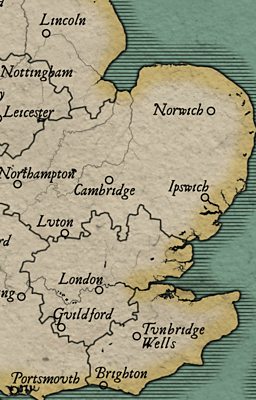
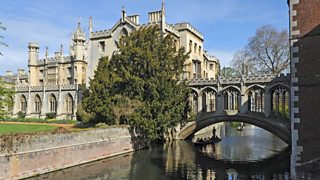
Shakespeare on Tour: Around Cambridge
![]()
The actors are well rewarded in Cambridge
Was Shakespeare among them?
![]()
Cambridge students put on a Christmas satire
'Footlights' Shakespeare-style
![]()
Cambridge Footlights
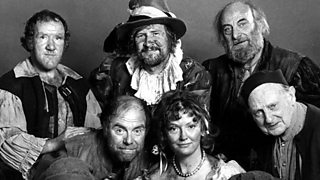
And much ado about Jonathan Miller's Shakespeare
Shakespeare on Tour: Around the country
![]()
Ipswich: a magnet for Shakespeare?
Why did Shakespeare's company visit Ipswich ten times?
![]()
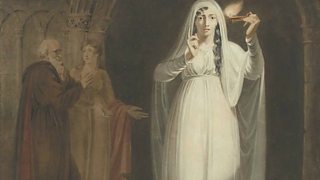
Sarah Siddons visits Norwich
Putting the Theatre Royal, Norwich, on the map
![]()
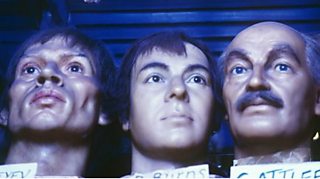
Madame Tussaud's exhibiton in Nottingham
Including a model of William Shakespeare
![]()
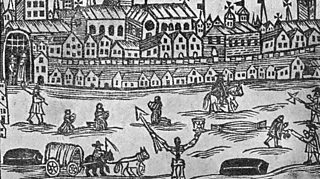
Touring Kent to avoid the plague
In 1592, the plague forced touring theatre companies out of London