Reading Europe 2015
Radio 4 takes a journey across Europe, from France to Istanbul, exploring what the continent is reading now and why.
The books discussed in this feature were featured in the first series of Reading Europe in October 2015.
For any available programmes or interviews for Reading Europe take a look at our Reading Europe Collection.
And previously featured on Radio 4's Reading Europe...
Austria: A Whole Life by Robert Seethaler
This slim masterpiece went straight onto the bestseller lists in Germany in 2015 and has been there ever since. Robert Seethaler's fifth novel, A Whole Life, has been described by Jim Crace as both "heart-rending and heart-warming". Over 200,000 people have read this book across Europe.
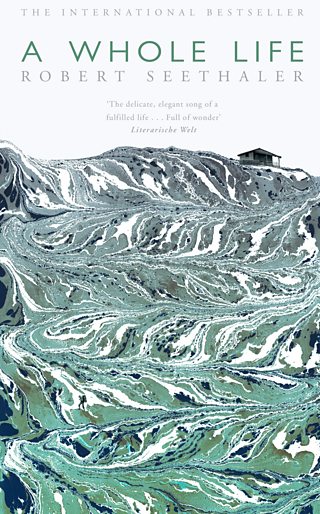
It tells the story of Andreas Egger, who spends his life in the solitude of the Austrian alps. Romance and grief and a sometimes wry stoicism are the touchstones of Egger’s solitary life as the 20th Century unfolds around him. The modern world encroaches slowly on the valley, the forest is carved out for ski lifts, electricity arrives, and tourists too. But throughout it all Egger remains steadfast in his modest struggle to survive and in his constant respect for the landscape around and above him.
Without sentiment, in spare and vivid phrases Robert Seethaler tells the extraordinary story of A Whole Life, with a bright and shining simplicity.
It’s a taut, perfect novella, managing to be full of love and drama and the desperate refusal to give up. Yet for all the big events, the romance and despair, it is a very quiet book, sometimes so still that you can hear the snow falling past Egger’s window.
Germany: Look Who's Back by Timur Vermes
Look Who’s Back was a runaway success in Germany, selling over 1.5 million copies. Why? Well for a start it’s very funny. Hitler, miraculously awake in Berlin in 2011, makes many unintentionally witty observations about the modern world. Yet with lines such as, “Germans today keep their waste more thoroughly separated than their races,” the humour almost always has a sting in its tail.
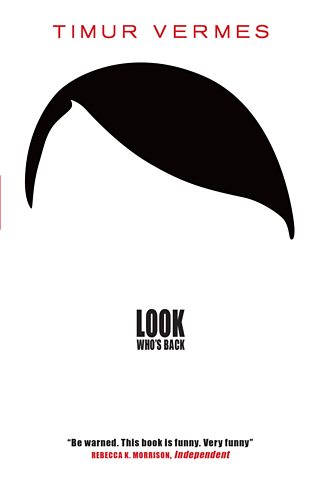
In a country where giving the Nazi salute is still an illegal act, Look Who’s Back’s unapologetic stance must feel both dangerous and oddly liberating. Germany is finally being allowed to unshackle itself from the guilt of its past and join the rest of the world in laughing at Adolph Hitler. But there’s a serious side to the book as well.
Timur Vermes’ Hitler is neither monster nor clown. He’s a fully realised human being who can be polite and charming, who gets scared and confused. In making him an empathetic figure, Vermes forces the reader to reconsider the real Hitler and the role the German people played in democratically electing him in the first place.
Given Europe’s current strained political climate, Look Who’s Back is a timely reminder of collective responsibility.
Germany: The Truth and Other Lies by Sascha Arango
This dark, sardonic thriller was a huge bestseller in Germany and is written by Sascha Arango, prize-winning screenwriter of Germany's long-running television crime drama, Tatort.
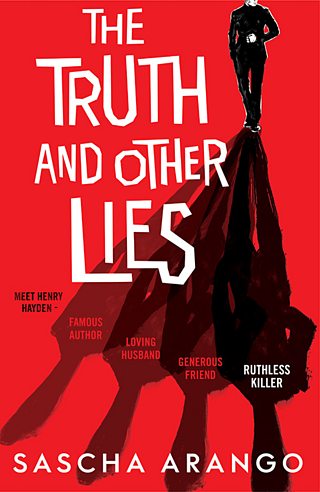
The Truth and Other Lies was published in the UK in 2015, adding to the 25 other countries it has been released in. It's was also a recent Simon Mayo Book Club choice on Radio 2.
It tells the story of acclaimed novelist Henry Hayden, who has it all – brilliant career, luxurious house and beautiful wife. Or so it seems. His life is in fact built around one carefully constructed lie, a lie he will stop at nothing to protect. And when he makes one fatal error, despite his most Machiavellian efforts, the whole dream begins to unravel.
Brilliantly plotted, full of black wit and an anti-hero to rival Patricia Highsmith’s Tom Ripley, this is a thriller that has kept Germany on the edge of its seat.
Poland: Entanglement by Zygmunt Miłoszewski
In Entanglement by Zygmunt Miłoszewski, a best-selling Polish crime thriller that was also adapted into a film, a long-suffering state prosecutor finds himself trapped in a dangerous web of half-truths and secrets in post-Communist Poland. An apparently motiveless murder soon reveals tantalising glimpses of links to the old regime.
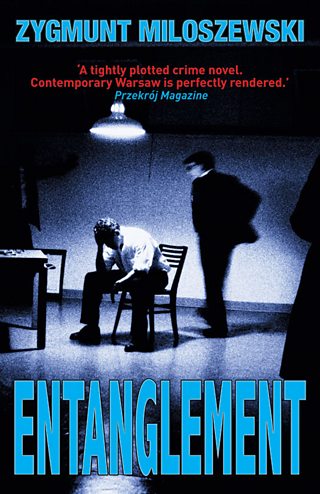
Dramatist Mark Lawson says: “Zygmunt Miłoszewski’s novel shows that contemporary Poland is an extraordinarily powerful setting for a story that turns on what was done in the past.
“Poland had the misfortune, during and after the Second World War, to be under the control at different times of first the Germans and then the Russians. So the sort of witch-hunts in post-war France for those who might have collaborated with the Nazis and suspicion in modern Russia about who used to be in the KGB apply simultaneously in Poland, where politicians, police and priests may be compromised by previous involvement with the Nazis or the Soviets or, in some cases, both.
“When you add a third power-base - the Roman Catholic church - the intrigues over allegiance become even deeper.”
Previously...
Reading Europe also visited France, for Three Strong Women by Marie NDiaye, and Spain for Tomorrow in the Battle Think on Me by Javier Marias.
Seven European bestsellers you should read in 2017
The wonderful thing about being a reader is that even when you’re familiar with the classics of English literature, there are still bookshelves all over the world to explore.
These writers, featured in Radio Four’s Reading Europe series, are some of the most famous novelists in their own countries - but the rest of the world has yet to discover them. Here’s why you should read them.
Reading Europe
Five European writers visit a favourite bookshop to explore how issues preoccupying their societies are being reflected by contemporary novelists.

Dorthe Nors investigates if Danish fiction reflects the identity of those living outside the capital, Copenhagen. Listen online now.
Moroccan-Dutch writer Abdelkader Benali examines whether Europe’s bookshops can be a place of refuge from those fleeing their home countries. Listen online now.
David Wagner uncovers whether German literature still shows any sign of an East-West divide, 25 years after the reunification of his home country. Listen online now.
Alba Arikha, a French writer now living in London, explores whether long term immigration is causing an identity crisis in French fiction. Listen online now.
Elif Shafak visits a bookstore in Istanbul to understand whether modern Turkey can be experienced through its shelves. Listen online now.
