Behind the scenes of the 'modern post-mortem'
What happens to us after we die?
It is impossible to say for certain. But for some individuals, if their cause of death is sudden, violent or unknown, an examination of their body - known as a "post-mortem" or "autopsy" - will be carried out.
These investigations - though uncomfortable subject matter for some - tell scientists more about life, through death.
5 live decided to go behind the scenes at a pathology lab to find out more about the process, and why it is changing.
What is a post-mortem?
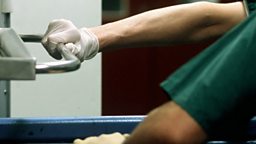
A post-mortem is the examination of a body after death, which aims to determine the cause of death. They are carried out by pathologists: doctors who specialise in understanding the nature and causes of disease.
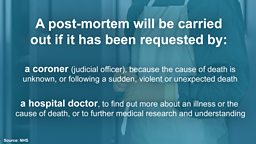
There are two types of post-mortem, hospital and coroner:
Why would someone opt for a post-mortem?
According to the NHS website, hospital post-mortems (not coroner) can only be carried out with consent - either from the person before they died, or a person close to the deceased.
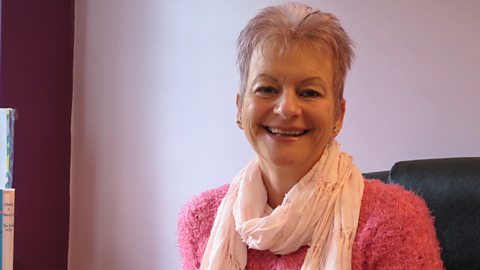
Some people choose to give consent so their bodies can be used in research, like stage four breast cancer patient Jan King.
She said she was a "lifelong believer" in organ donation and was "hurt" when she found out her "body was no good to anybody" due to her cancer.
Jan explained why she was joining the Royal Marsden's Legacy study, which allows patients with secondary breast cancer to donate their tissues for research just hours after they pass away.
Cancer patient: Why I want a post-mortem after I die
A woman with breast cancer explains why she is opting for a post-mortem after death.
What is it like to work with dead bodies?
It might seem like grim work for some, but working with dead bodies is pathologist Dr Alison Cluroe's 9 to 5.
She explained why carrying out autopsies had "never been an issue" for her.
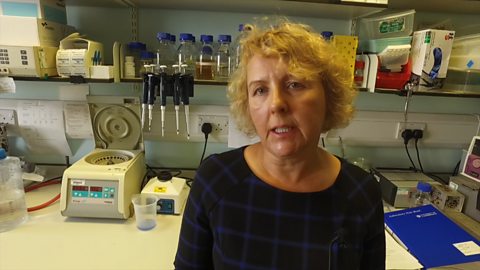
Pathologist: How I am able to work with dead bodies
Dr Alison Cluroe carries out post-mortems to find out why and how people have died.
Why are post-mortems changing?
A report published earlier this year found that hospital autopsies are in decline.
The report states a number of factors to be responsible, but one big reason could be due to the development of post-mortem scanners, which allow pathologists to look inside bodies without cutting them open.
The technique has been welcomed by certain faith groups, who stress non-violation of the body and quick burial.
Claire Walker, who operates one such scanner by private company iGene in Sheffield, said it helped families "avoid an invasive post-mortem" and allowed her to scan a body in "under three minutes".
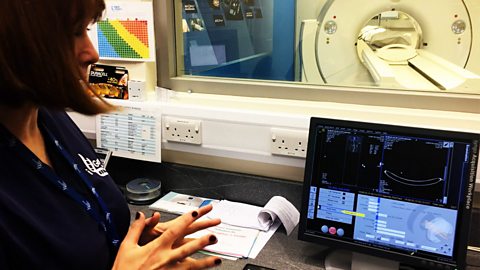
How scalpel-free scanners are revolutionising post-mortems
How are pathologists conducting post-mortems without the need for a scalpel?
Postcast: What actually happens during a post-mortem?
So what actually happens during a post-mortem examination? In this podcast, you'll hear an examination of a man in his 70's played out in real-time. It was recorded for us last year, and we have consent from the family to broadcast it.
Warning: We have taken care to make sure the audio is not too graphic, but because of its nature some people might find the following podcast upsetting.
![]()
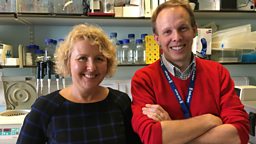
What happens in a post-mortem? 5 live's Dr Chris Smith listens in
5 live's Dr Chris Smith of the Naked Scientists was talked through the process by consultant histopathologist, Dr Alison Cluroe, who carries out post-mortems on behalf of the Cambridge coroner.
Related Links
Your comments
During the programme, lots of you got in touch with feedback and questions.
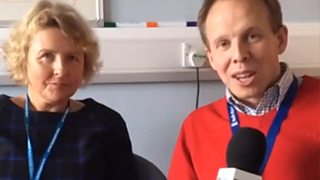
We ran a Facebook live video to answer some of your queries, available to watch here.
Bereavement support
Details of organisations offering information and support with bereavement are available at bbc.co.uk/actionline, - or you can call for free, at any time to hear recorded information on 08000 158 707