Tips for dealing with grief during a pandemic
By Stella Radeva // BBC The Social contributor // 5 March 2021
Grief is a messed up cluster of emotions. one day you are laughing and the next, you cannot even find the motivation to wake up. Unfortunately, there is no 'cure' for grief, but certain things may help you better cope with the intense emotions you feel, especially during a pandemic that has affected every aspect of our lives.
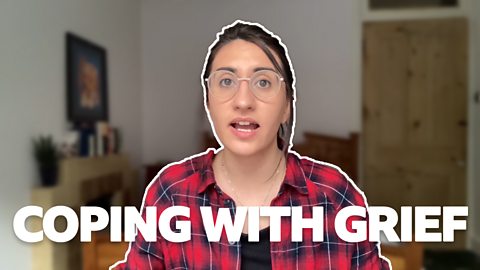
Dealing With Grief During a Pandemic | Stella Radeva
If you've been dealing with grief recently, these tips from Stella are really valuable
When I got the news that my grandpa had passed away, I was in my flat in Glasgow. It was a few days after the New Year had begun, and I was by myself because many flights were canceled, and my flatmates could not come back. I barely remember the conversation with my mum, but I remember that I spent some time sitting on the ground and crying. It was then when it struck me that it's been almost a year now since the pandemic started. Yet, that was the first time that I felt so helpless, knowing that my whole life had changed, and I could not do anything about it.
After I spent two weeks on takeaway and not leaving my bed, I realised that no one else could help me unless I made some effort myself.
The stark reality was that my grandfather might not have passed away from the virus; however, its suddenness and the current restrictions made it impossible for me to fly back home and say goodbye the way that we both deserved. The truth is that I did not have many support networks left here either. Between the people here that I could not see and the people in my class that I have known only via Zoom, my only real connection with anyone was over the phone with my mum.
Despite how difficult it’s been, I feel that I’ve been able to find some things that have helped me cope along the way. So I want to share some advice with you in the hope that it may be able to help you too.

Establish a Routine:
After I spent two weeks on takeaway and not leaving my bed, I realised that no one else could help me unless I made some effort myself. The healing process is unique for everyone, but perhaps the first thing to keep in mind is finding something simple that adds a sense of normality to our day. For me, this started with waking up and going to bed at the same time each day. This does not mean that you are burying the pain or ignoring it, but that you're slowly moving on while acknowledging your emotions. Doing your laundry or cooking yourself a proper meal are always a bonus.
Be Creative:
Another thing that usually makes me feel better is to create new things, so I immediately felt inclined to write about my experience. It was a way for me to wrap my head around what had happened and who I was becoming in the wake of it all. Remember that whatever you choose to do - writing, drawing, making music - you are doing it only for yourself, so don't filter anything. In my case, I wanted to apologise that I could not be there for my grandfather, but more than anything I wanted to say "thank you", and I did so by writing letters to him in my journal.
Exercise:
It was a few years ago when I discovered my love of going to the gym and exercising. Whenever I was stressed about an exam or just feeling down, I would go and literally sweat it all out. There’s also a clear link between physical and mental well-being which can’t be denied. With gyms being closed, I like to "punch" my worries away with outdoor boxing classes. However, it does not need to be anything intense- an online yoga class or meditation are often therapeutic and easy to do from the comfort of our own home.
Don’t Underestimate Connection:
For the past year, I have noticed that by reading the death numbers every day, we have lost grip on how traumatic such an experience is, and somehow, we got used to it as if it is something normal. That is why I strongly recommend trying not to isolate yourself. I am certain that most of you would be familiar with the term "zoomed-out", and it is not ideal to share such a painful experience through the screen. Nonetheless, telling a trusted friend or a family member might help you heal better when telling stories about the person you lost and what they meant to you. One of my dogs is also an integral part of every conversation with my family - she sighs as if she’s had the longest day in the world, and that is all the therapy I need.
Create More Opportunities For Laughter:
Telling a trusted friend or a family member might help you heal better when telling stories about the person you lost and what they meant to you.
The first days after my grandpa passed away, I would try and distract myself by watching a comedy series. I remembered feeling so guilty the first time that I laughed. I immediately messaged a friend asking the question, "Am I a bad person?". Obviously, the answer is "No". When I laugh, I feel my anxiety, anger and sadness dissipate, and that’s a good thing. It is a different process for everyone, but if we do not grieve every second of every day, it does not mean that we do not care. It means we are all human. There is nothing wrong with the fact that you want to make yourself feel better.
Honour The Person You’ve Lost:
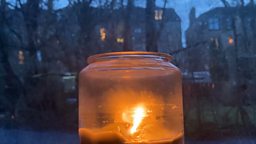
Still, the best advice I could ever try to give anyone is to honour the person they have lost. On the day of my grandpa's funeral, I organised a small ceremony in my room. I lit a candle and listened to classical music, which is the last thing my grandfather and I did together. I recalled the moments when he taught me how to play board games and told me to never give up, even when it seemed I was losing a game. He believed in me unconditionally, and the only way of preserving his memory now is to pluck up the courage to move on. Like everyone, I have my doubts, but I also have my motivations.
Be Kind To Yourself:
Lastly, don't you ever forget to be kind to yourself. I repeat this phrase to myself every single day, and I know it is easier said than done. I will also tell you that a glass of wine and a hot bath never disappoint in these cases. Give yourself a moment to breathe and arrange your thoughts. Something really difficult has happened to you, and the current period does not make it any easier either. The pandemic has ultimately changed our experiences but also made them more valuable than ever.