How to be an Edwardian gentleman
As The Forsytes, based on John Galsworthy's epic Edwardian drama chronicling the lives of an upper middle class family in London, comes to Radio 4 we examine the life of an Edwardian gentlemen.
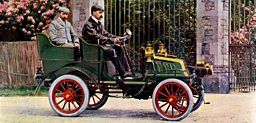
An Edwardian gentleman’s primary desire was to cram in as much enjoyment (huntin’, shootin’, fishin’, gamblin’) as humanly possible, with little interference from females or inconvenience of any kind. We’re talking here of men with no need to work for a living; those gentleman that did suffer the indignity of having to work generally pulled sufficient social rank to get cushy legal, political or City positions. Thank goodness that sort of privilege no longer exists… oh, hang on…
Think of Bertie Wooster, whose closest brush with work was writing a piece on ‘What the Well-Dressed Man is Wearing’ for Milady’s Boudoir although he’d probably say dodging marriage to women in terrifying tweeds was a full time job in itself.
So, what would you have to know and do to be a convincing Edwardian gentleman?
1. Go huntin’, shootin’ and fishin’
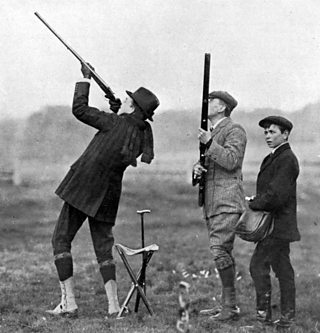
If you had the right contacts you could pretty much hunt most days of the week through the winter. Objections to hunting were viewed as freakish, much like being vegetarian.
And then there was shooting. Very popular for a “Saturday to Monday” (the word ‘weekend’ was considered common as it implied that visitors may actually have jobs and need to observe the working week), it was tweeds on, beaters at the ready (that’s men who wallop the undergrowth to get the birds to fly, not egg whisks) and off you go. Edward VII and eight fellow shots bagged 1300 birds in one day. Obviously you needed a friend with a well maintained shoot and swathes of land but that usually wasn’t a problem if you’d been to the right school or married into the right family.
And fishing? Simple. Find a friend with a stretch of Dee and you could catch your own salmon for lunch – rivers were generally very well stocked.
2. Location is everything
Well, Mayfair…where else? £150 a year would secure you a goodish place, y’know, for self and valet.
3. Kick back and relax
Gentleman’s clubs were very popular. No women, obviously (the chaps wanted to enjoy themselves, what?) For the bachelor it meant company and some decent food. Rather like prep school, but with more alcohol.
4. Make your own routine
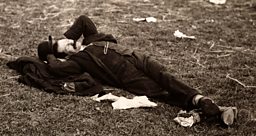
Rise at 8, enjoy breakfast prepared by valet, then spend the morning on correspondence, answering invitations and bills. Quick trot around the park to compare one’s quiet dove grey gentleman’s suitings with others (male fashion was very competitive) then lunch at 2pm, an afternoon party of some sort or visit to a gallery (if one was one of those fearfully bright chaps), then out for dinner at around eight thirty. During the season you’d be more or less forced to attend a ball and take your turn whirling a young woman around the dance floor as her fond mama beamed and mentally totted up your income and prospects.
5. Take regular holidays
Obviously this frenetic and stressful pace of life would take its toll on the exhausted frame, so you’d nip over to the Riviera when things got too much. London was pretty much a ghost town in August, with gentlemen taking their families to Devon, bachelors taking cottages in the country or enjoying the delights of Cannes. Those that could escaped the English winter by migrating to the South of France.
6. Visit friends and relations often
One’s ‘people’ were hugely important. Not for the Edwardian gentleman the swift visit – if he came to stay it could be for a month at a time. After all, he had little else to do and no obligations. He’d be expected to attend church every Sunday, become involved in local events if necessary, and make himself useful entertaining and escorting single ladies into dinner. A ‘bread and butter’ letter would be expected afterwards, expressing huge gratitude and delight for his stay, which he hoped would guarantee him a return visit.
7. Settle down… Eventually
Into each life some rain must fall. If a gentleman was still single at the age of forty, older relatives would start to make pointed remarks about continuing the family line and ‘settling down’. Women were chosen as prospective wives for their beauty, modesty and ability to run a home. Once they were married wives were essentially considered part of the gentleman’s property, rather like his horse or dog, although they frequently received less affection. The prospect of suffrage was deeply alarming to the Edwardian gentleman; why alter a system that clearly worked so well?
So there we are. The selfish, serene life of the Edwardian gentleman. A little Elysian bubble that was to be shattered extremely abruptly by the war… and women.
The Forsytes
![]()
Listen to The Forsytes
A feature-length opening episode of the drama based on the novels of John Galsworthy.
![]()
Meet the cast
Photos of the cast, featuring Juliet Aubrey, Joseph Millson and Harry Hadden-Paton.