What does it take to work in animal conservation?
Quotes from the rehabilitators
Nature’s Miracle Orphans gives us a privileged insight into the lives of some of the most inspiring and determined people in wildlife conservation today. But what does it really take to rehabilitate wild animals? We hear from the dedicated people themselves.
One thing is clear – to be an animal rehabilitator is a life choice. The passion, dedication and love these people have for animals and the often unusual and unique ways they find to give animals the second chance they deserve is awe-inspiring.
Roxy Danckwerts, founder of Wild Is Life
“One has to have a touch of the audacious, yet always be infused with a sense of humility and empathy. A dash of courage, a teaspoon of humour and an infinitely full cup of patience will go a long way to ensure the intense commitment required for this particular journey ... of love and of giving.
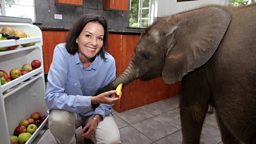
Petronel Nieuwoudt, founder, Care For Wild Africa
"If you decided to walk this road, it’s a journey, it’s a lifelong commitment…I won’t drop them ever. Attention to detail is important. If there’s a hair that falls from their bodies, I want to know where – maybe there’s a reason for that. Its lessons that they teach us, not us teach them.
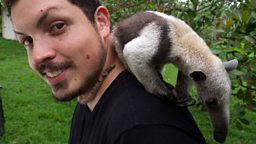
Pedro Montero, biologist, Kids Saving the Rainforest
“I have worked with a lot of animal people and they come from very different walks of life and everyone has a different set of skills and personalities but the really successful ones are the ones that are crazy, animal crazy. I think you have to be crazy to work in rehab, a special kind of crazy, the type of crazy that lets you put aside all the things society says you should care about: money, time, forming a family and focus on the animals.”
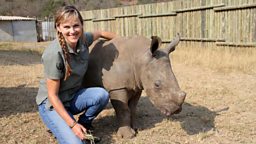
Sarah Carter, Twala Trust Animal Sanctuary
“The whole focus of what I do is based on giving the rescued animals a second chance - often they are so broken, physically and psychologically. I want them to feel first of all, and then I want them to feel nurtured and loved. I believe animals experience emotion - happiness is what I want for the animals.”
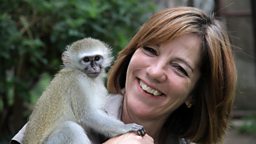
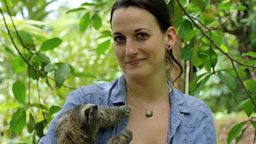
Sam Trull, co-founder and sloth director, Sloth Institute Costa Rica
“Beyond the technical skills needed to rehabilitate wild animals like understanding scientific literature, experience with veterinary procedures and a comprehension of wildlife ecology; rehabilitating wild animals also requires an almost obsessive passion for animals and a superhuman ability to deal with grief. Your love for animals has to go beyond the superficial "they're so cute" feelings and be a deep, selfless love willing to forego personal comfort to focus on their welfare. Being a wildlife rehabilitator is the most tragically beautiful profession I could have ever imagined for myself. Holding the life of something as precious as Monster (a female three toed sloth) in my hands and knowing that we humans are destroying her habitat and with it her potential for a happy future….has lit a fire inside of my soul and I will stop at nothing to make this world a better place for Monster, other sloths and really all animals that need our help.”