Always available for work? You might be prone to 'presenteeism'

Are you always working when you should be off sick?
Sending emails at night, at weekends, and even on your holidays?
This behaviour has been given a name - 'presenteeism'. The feeling that you always need to be 'seen' to be working, and ever-present in the office.
According to a study by the CIPD and Simplyhealth, presenteeism has tripled since 2010. If it sounds like you might be part of that trend, you need to take action.
'Bad for business'
A rise in presenteeism is associated with increases in mental health conditions and stress-related absence - but it could be bad news for your work performance too.
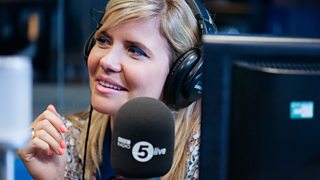
Psychologist Professor Cary Cooper told 5 live: "It's not very good for you - particularly if you come to work ill.
"The evidence is that you will not actually produce much - you will provide almost no added value to the service of product that you are doing so it's bad for business."
He said he thinks the main cause is people feeling insecure about their jobs, something he said has worsened in recent years: "People are going to turn up ill because they don't want it showing on their record."

Rachel Suff, from HR body CIPD, said companies need to prevent staff feeling pressure to be always available.
“If employers want to build a workforce that is happy, healthy and productive, the well-being agenda needs to be a priority... and integrated in the organisation’s day-to-day operations," she said.
Bosses could even choose to adopt the French approach.
In France, employees have the legal right to avoid work emails outside working hours, as part of their "right to disconnect" law.
But it's not just workplace culture that needs to change. If you think you might be prone to presenteeism - what can you do about it?
1. Develop a good relationship with your boss

Professor Cooper said he could understand why people might not want to admit they are ill: "Nobody is safe any more, nobody has job security. Life has changed right now."
But he said having a good relationship with your boss is key - particularly if you aren't feeling your best.
"Tell your boss that if you are ill and you don't think you can produce any added value by coming in and you don't think you will be able to contribute, that you'll work from home."
Plus - nobody in the office will thank you for sharing your sniffles...
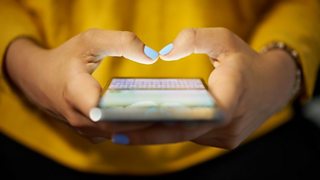
2. Step away from the smartphone

Thinking of checking your work emails outside of office hours? Don't.
Professor Cooper said access to email is affecting our social lives and some companies are now trying to stop it.
"Don't access it all the time," he said.
"Particularly at night, at weekends, and very importantly - when you're on holiday."
Sound like a tall order? This video, How can I stop being addicted to my phone?might help. You'll thank us later...
3. Leave the office on time
"Don't always show face time," Professor Cooper says.
"If you've finished your job at five o'clock, don't stay until seven o'clock because you're wanting to show commitment and to impress your boss.
"That won't do you any good. In the long run, it will affect your productivity and certainly your health."
Clocking off on time, guilt-free? Count us in.
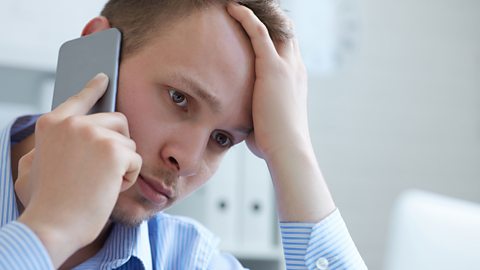
Are you always logged-in to work?
Are you always logged-in to work? You might be prone to "presenteeism".
Presenteeism: Your views
5 live listeners spoke to Nicky Campbell on Your Call - click here to listen.
"You'd have seven days off during the year and that would trigger an attendance meeting with a manager. When you returned to work you'd be pilloried, and asked 'do you realise what impact this has had on your colleagues?' - making you feel really guilty."
"A lot of the time it's people feeling if they don't work additional hours then they'll be seen negatively, or not able to manage their workload."
"My wife works at a company where you don't want to go off on holiday, you don't want to take time off because you're terrified what will happen when you are away. She's terrified about not answering her phone in the evenings."
"Self employed people can't switch off. I run a small business with eight employees. When I’m on holiday I find it more relaxing if I do keep an eye on my emails. Christmas holidays are the best because we shut the business down for two weeks and I can finally switch off!"