Bipolar: ‘My sister wasn’t diagnosed at the beginning’
It is estimated that more than a million people in the UK have bipolar disorder. But according to Bipolar UK, the real number may be much higher.
The charity has told BBC Radio 5 Live Drive that the average time it takes for a person to be diagnosed with the condition is eight years.
Bipolar used to be known as manic depression and people can be affected in different ways. It involves periods of mania and bouts of depression.
Bipolar UK says that bipolar increases an individual’s risk of suicide by up to 20 times.
Rebecca Marshall from London was an NHS doctor. She was 28 years old when she took her life in February 2020.
She had been diagnosed with bipolar disorder eight months before but had been experiencing symptoms since 2010.
Her older sister Esther told 5 Live presenter Michelle Ackerley that Rebecca’s bipolar “wasn’t diagnosed at the beginning” and explained some of the challenges her sister was facing for nearly a decade.
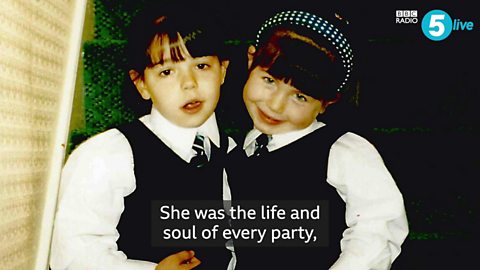
Bipolar: ‘My sister wasn’t diagnosed at the beginning’
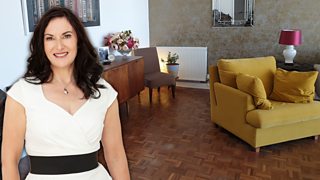
Esther Marshall explains the challenges her sister Rebecca experienced with bipolar.
With the pandemic putting a strain on people’s mental health and wellbeing, how can you spot the signs of bipolar?
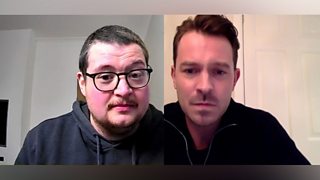
Simon Kitchen the Chief Executive of Bipolar UK describes the “mood scale” model he uses to explain what people with bipolar experience.
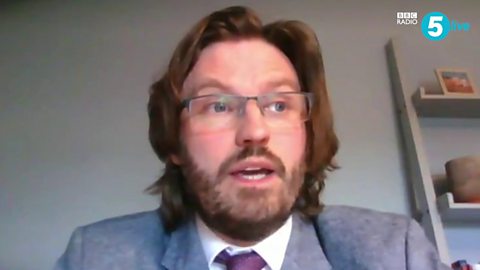
How to spot the signs of bipolar
The CEO of Bipolar UK describes the "range of emotions” people with bipolar experience.
The charity has launched a commission to help people get early diagnosis and access the most appropriate treatment and support.
Since Simon and Esther’s discussion on Drive, Esther has been made an ambassador for Bipolar UK.
She hopes telling Rebecca’s story will help others.
'We need to fight the stigma'
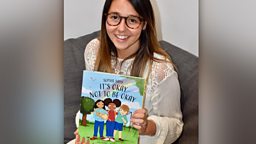
In her sister’s memory, Esther has written a children's book series called 'Sophie Says'. The sisters thought of the idea which aims to encourage conversations around mental health and diversity in young people.
“The two of us both wanted to make the world a better place. Rebecca through medicine and myself through the work I was doing in diversity, inclusion and sustainability.
“The books I was finding for my son were not encouraging positive mental health and giving these strong messages to children.”
Esther has now left her job to focus on her project and has just launched an education hub for teachers and parents to help children learn about their feelings.
“It’s all in her [Rebecca’s] memory and therefore I feel like I’m with her each day even though she is not physically here," Esther said.
If you have been affected by this story and need mental health support and advice please visit – bbc.co.uk/actionline