"They deserve to be cherished" – Arlo Parks, Ed O'Brien & more on the importance of independent music venues

6 Music marks Independent Venue Week this week (25-29 January). With substantial challenges facing the UK’s independent music industry due to the COVID-19 pandemic, it's a more vital time than ever to shine a light on the importance of independent venues.
All week Steve Lamacq will be playing standout Independent Venue Week performances from the past few years from the likes of Anna Calvi, Idles, The Specials, Nadine Shah, Gruff Rhys, Self Esteem and more. He will also be joined by an array of guests, including a conversation with Frank Turner on Thursday (28 January) and a special pre-recorded Independent Venue Week session from Arlo Parks on Friday (29 January).
You can also listen to a special edition of Now Playing dedicated to Independent Venue Week.
Listen to 6 Music and Steve Lamacq on BBC Sounds.
In the spirit of celebrating independent music, and with many independent venues closed for the foreseeable future, artists including EOB, Arlo Parks and Kelly Lee Owens take a trip to their favourite venue, explaining why these spaces have been so central to their careers.
Arlo Parks: "They are so, so important, and they deserve to be cherished"
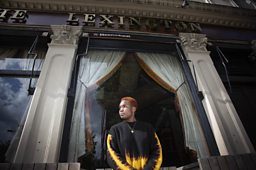
Fast-rising songwriter Arlo Parks has recent first-hand experience of independent venues helping to kickstart a career.
Photographed outside The Lexington in London, she says "it was the first venue that I’d played with BBC Music Introducing," and one of the first shows she'd ever played. "I remember feeling so excited and having all my close friends there, having my family there. I felt there was really a special energy in the place; a sense of magic. I felt so fully at home and at peace on stage."
She has similar fond memories of playing King Tut's Wah Wah Hut in Glasgow on a recent headline tour. "I felt like there was this sense of it being almost like a hub in the community. And I remember the gig being so electric, everyone being so full of energy and so welcoming."
Arlo's time in the spotlight is still in its early stages, and she says small venues are "so important in terms of building an audience, in terms of getting heard, and in terms of being able to play when you’re at the beginning of your journey."
"Honestly, musicians would be nowhere without grassroot venues," she claims. "They are the foundation of live music, and they are personally very important to me. I have had so many exciting – and really, actually, mesmerising times – watching gigs at independent venues, and playing music at independent venues… They are so, so important, and I believe they deserve to be cherished."
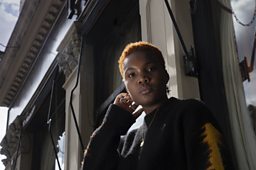
EOB: "Independent venues are more important than any arena or stadium"
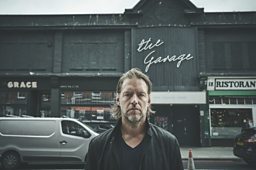
Radiohead have toured the world for the past two decades and have headlined Glastonbury three times, but guitarist Ed O'Brien (aka EOB) believes their success owes everything to independent venues.
"We wouldn’t be anywhere without them," he states. "They are more important than any arena or stadium – they are the lifeblood of live music."
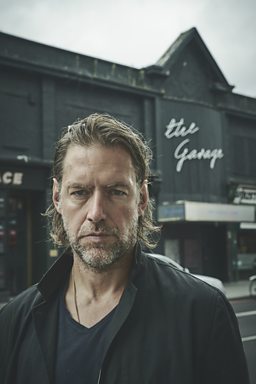
Photographed outside The Garage in Highbury, London, Ed recalls touring the UK in 1992 by travelling "the length and breadth of Britain", and playing nothing but "these small venues." He says this stint was "absolutely vital to our evolution" as a band, adding: "It is where we learnt our craft and started to build up our following."
The Garage has played host to many of Ed's all-time favourite shows, namely a Jeff Buckley solo show in 1994, Supergrass before the release of their iconic Britpop album 'I Should Coco', and Radiohead's own headline show in 1993. "It was dark and a bit grotty, but a great vibe." He also cites the Adelphi in Hull amongst his favourite venues, alongside the Jericho Tavern in his hometown of Oxford.
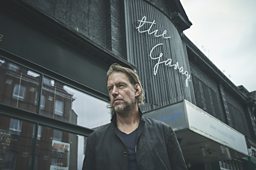
IDLES: "Without venues like these, there genuinely wouldn’t be a music industry"
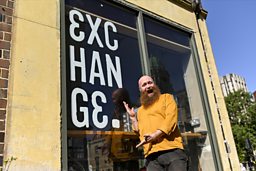
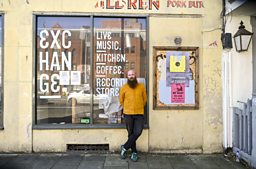
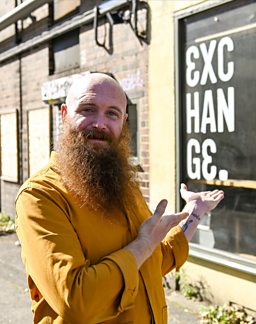
Adam Devonshire (aka Dev) has witnessed first hand how his band’s reputation has risen through independent venues. In fact, before things took off with the Bristol band – about to release third album 'Ultra Mono', the follow-up to 6 Music's Album of the Year in 2018, 'Joy As An Act Of Resistance' – the bassist used to manage this local venue, The Exchange.
"I don’t think that we would have much of a career if it wasn’t for the independent venues that we’ve been playing for the last 10 years, really," he says. "Without them, we wouldn’t be anywhere near the position that we are in now... We're forever indebted to the amazing venues up and down the country that afford bands like ours the opportunity to play."
"Without grassroot venues," he adds, "there wouldn’t be a music industry as such." He elaborates: "We relied, for a long time, on venues like The Exchange, allowing us to get up [on stage] three nights a week when we were awful – to get better, to make mistakes and learn our craft. Without venues like that, there genuinely wouldn’t be a music industry. Long may they continue."
Outside of Bristol haunts, the Devon-raised musician regularly saw gigs at Exeter Cavern, and he cites Moles in Bath as one of his favourite independent venues. "And one that all of the IDLES boys love going to is The Adelphi in Hull. It really is a magic venue run by some wonderful people, so we always look forward to going back to that one."
Kelly Lee Owens: "Live shows stay with us, inspire us, and it’s something we all need"

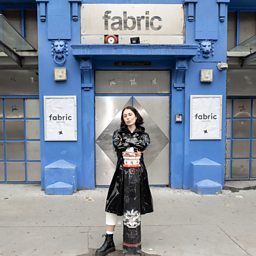
Producer Kelly Lee Owens first discovered dance music and club culture while working behind the counter at record shop Pure Groove. Directly opposite sat Fabric, a nightclub which opened her up to the possibilities of electronic music.
"It was my first foray into the dance world, the club scene; literally the first club I ever went to – which is kind of strange, because it’s one of the bigger clubs," she says, stood outside the venue. "But it’s been under threat in terms of closure, and it’s a place that’s meant a lot to me."
Similarly, while working at Piccadilly Records on Manchester, she found herself visiting nearby venue Night + Day. "It’s just been one of those underground places that’s held special and fond memories, and it keeps going. Everyone’s done their jaunt there. It’s where I met Foals, and they played a house party after that gig. The best times."
Since going to Fabric as a punter, she'd "always wanted to play there", and she recently managed to do just that, opening for the Mercury Prize-nominated Jon Hopkins at a club night and supporting UK producer Leon Vynehall in 2019.
Going to shows at independent venues gave her the belief that she could be on stage herself, she says. "It’s where I got to meet bands and other musicians and music lovers. And it made me curious about their journey, and made me believe that I could do that myself one day."
"And then when I did make my own music, to have small venues support me and take the risk in putting on my shows – that’s how I got my booking agent, that’s how I got signed. All of these things are absolutely fundamental in the chain of events that takes place in a musician’s career."
Working Men's Club: "Without these venues, we probably wouldn’t be releasing our album"
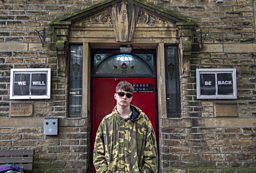
Syd Minsky-Sargeant fronts Yorkshire band Working Men's Club, whose gritty, urgent, dancefloor-rooted songs are best enjoyed at the kind of buzzy, sold out shows they played pre-lockdown.
He decided to take a trip back to Trades Club in Hebden Bridge, which the band played back in February this year. "They’ve always supported us as an independent venue, since we started out," he says, citing Golden Lion in hometown Todmorden as another nurturing home for their early shows.
The group's self-titled debut record is due for release in October, and Syd believes it may not have emerged without the help of spaces like Trades Club and Golden Lion, highlighting how many bands rely on playing small shows and building up an on-the-ground fanbase prior to releasing a full-length. "Without these venues, we probably wouldn’t be releasing our album."
Listen to 6 Music and Steve Lamacq on BBC Sounds.
