Royal Worcester
The Worcester porcelain factory was founded in 1751 by the physician Dr John Wall and the apothecary William Davis.
Prior to this, both had been experimenting to produce a perfect porcelain formula that would equal or better the porcelain of the Far East, which was for many years the preserve of porcelain manufacture. The formula quickly proved successful, as it was one of the few porcelains that would not crack after coming into contact with boiling water.
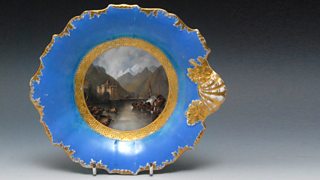
Production in the early years was low due to small scale production facilities and methods, and virtually everything produced was of functional use. However in 1788, Worcester’s fortunes were transformed after a visit from King George III. Upon his visit, the King was suitably impressed with the quality of Worcester’s wares and so ordered a breakfast service in Blue Lilly design, gaining the company its Royal Warrant in 1789 and the right to be henceforth known as Royal Worcester.
Royal Worcester has continued to produce extremely high quality wares and is now synonomous with high end porcelain pieces. Its styles and production techniques have always advanced with the times, and its range of products includes vases, tea sets and services, plates, figurines, and tableware. In 2009, the Worcester name was purchased by Portmeirion Pottery and the Severn Street factory was closed. Today, however, a handful of decorators still remain at the site as well as the museum itself.
Flog It! top tips
Look out for 20th Century hand-painted fruits on items, such as those created by Richard Sebright and Harry Ayrton. Also highly collectable are any items made by the Stinton’s.
The most expensive items to be sold at Christie’s are a pair of two-handled vases and covers by Charley Baldwyn, which sold in London South Kensington in 2010 for £39,650.
![]()
Take Part
Get the latest dates and locations for all upcoming Flog It! valuation days.