Where be di best kontries to raise pikin?
Wia dis foto come from, Getty Images
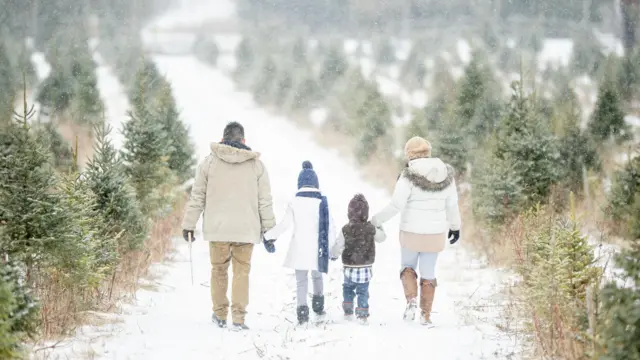
For pipo wey dey try relocate, ranking of di world most liveable kontris fit dey helpful. But wit pikin, more factors dey to weigh dan average income or economic stability. You fit wan know about di local pikin health or happiness, di quality of education, family leave policies - even which kontri get di greenest space of playgrounds.
Na dis kind factors Unicef focus on dia report card on pikin wellbeing. E dey important to note say dia ranking look only at di wealthiest kontris for di world - and no be all di data fit dey of equal interest to expatriate families. But dia findings help to paint insightful picture of wetin e be like to raise pikin for kontris around di world.
We use some of dis research to ansa every emigrating family top questions: where be di best places to raise pikin, or di best place to be pikin?
Japan
Wia dis foto come from, MONZENMACHI/GETTY IMAGES
For Unicef 2020 analysis of pikin wellbeing. Japan rank number one for physical health, wey look at child mortality and obesity. And for Unicef most recent report card for 2022, wey specifically look at di environment wia pikin grow up, e rank second for di “world around di pikin” - one category wey include aspects like urban green space and traffic safety. Japan also get di lowest rate of pikin obesity, low child mortality and extremely low levels of air or water pollution wey dey affect pikin.
Na also one of di safest kontris for families, and no be just in terms of road accidents. Japan overall murder rate na di lowest of any of di kontris Unicef look at: e dey 0.2 per 100,000, na fraction of di US figure wey be 5.3. Canada own na 1.8 and Australia na 0.8.




End of Di one wey oda users dey read well well
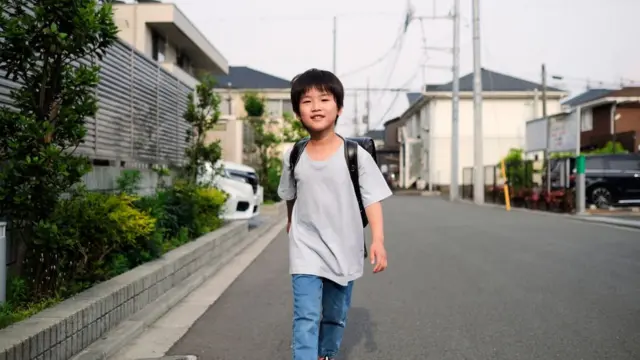
“Pikin dey go school on dia own from di age of six or so. Dem dey take di bus or train if e no be walking distance,” Mami McCagg wey be Tokyo native and resident of London tok. “Even for di middle of Tokyo, kids just walk around and go to school on dia own. E dey completely normal sake of say e dey really safe. No one dey really worried about dia pikin sake of say we no need to worry.”
Beyond top marks for health and safety, Japan also get one of di world top educational systems as e dey number 12 among 76 kontris and regions, according to OECD assessments wey Unicef draw im data from. And e provide generous entitlements for paid parental leave and na 12 months dem dey offer each working parent - although di kontri dey work on giving fathers incentives to take am up.
Estonia
Wia dis foto come from, VISUALSPACE/GETTYIMAGES
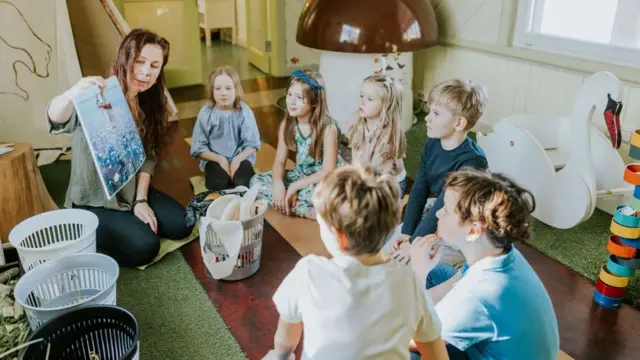
While Estonia no dey at di top of Unicef ranking overall, e dey rated highly for some important aspects. Pikin dey exposed to less air pollution, less noise pollution and fewer pesticides dan for almost any oda wealthy kontri. E get more urban green space dan many oda nations, including di US, Canada, Australia and di UK, and pikin dey especially likely to say dem enjoy dia neighbourhood recreation facilities, like playgrounds. Estonia also get di second-lowest rate of babies of any wealthy kontri wey dem born underweight. Dem consider dis to be good indicator of di quality of prenatal care.
However, one of di biggest draws fit be Estonia education system: pikin get beta maths, science and literacy skills dan any kontri outside Asia. Digital skills dey emphasised too. Already for kindergartens, e get robotics, smart tablets and so on, dem dey use all of dem as part of play-based learning.
But di system benefit go beyond reading and robotics. One recent Organization for Economic Cooperation and Development, OECD report say di average Estonian five-year-old dey beta at various social-emotional skills, including cooperating wit oda pikin dem and identifying emotions, dan dose for di US and England. Dem also dey well above di OECD average for self-regulation skills like mental flexibility, working memory and inhibiting impulses.
Family leave sef dey. Estonia get one of di most generous police of any kontri for di world, wit 100 days of maternity leave and 30 days of paternity leave and 475 days of paid parental leave wey dem go split or use part-time until di pikin reach three years. For up to 60 of dose days, both parents fit stay home at di same time and get paid. Each parent also receive 10 working days per year of paid parental leave for each pikin under 14. (Dis leave dey available to both permanent and temporary residents of Estonia, including foreigners.”
Spain
Wia dis foto come from, SOL DE ZUANSNABAR BREBBIA/GETTY IMAGES
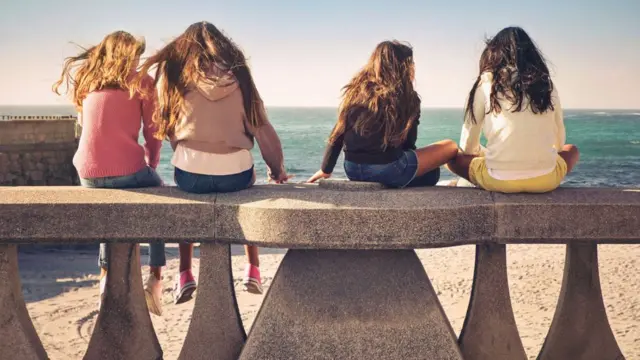
Spain dey rated highest for Unicef ranking of di environment around pikin, wit low levels of pikin morbidity sake of air or water pollution. And despite say dem get poorer overall offerings in terms of social, education and health service, according to Unicef, pikin for Spain get high well-being: di kontri rank third for kid mental well-being and fourth for basic academic and social skills. E dey di same level wit Netherlands in terms of how many pikin say dem make friends easily (81%), while adolescent suicide rate na one of di lowest of wealthy kontris and less dan one-third of di US, Canada, Australia or New Zealand own.
Parental leave dey: both mama and papa get 16 weeks of 100 percent paid leave (freelancers dey eligible too), afta dis one, di mama fit take unpaid leave of up to three years or reduce her hours. Dis option dey available to any legal resident wey dey registered wit Spain social security system wey don make contributions for at least 180 days for di last seven years. Just like for oda kontris wey dey listed, e no dey perfect - lack of available childcare na one big issue, and 33% of parents say dem wish say more dey available, di highest rate for any wealthy kontri - but e dey clear say di kontri get a lot to offer families.
Finland
Wia dis foto come from, TINA AND GEIR/GETTY IMAGES
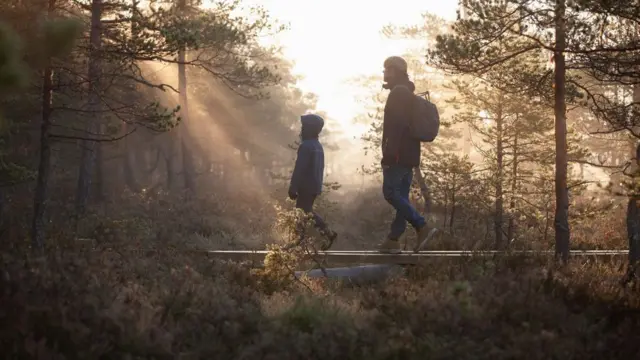
Finland wey come fifth overall for Unicef most recent report card score well for two of di three categories - number one for “world of di child” (wey look at how di environment directly impact di pikin, such as air quality), and number two for “world around di pikin” (wey look at elements of di environment pikin dey interact wit, like schools, traffic hazards and green space).
Na one of di world top-performing kontris in terms of pikin literacy and maths skills, and parents dey especially likely to tink highly of dia relationship wit dia pikin staff for school. Dia mortality rate of pikin aged 5-14 na one of di lowest for di world, less dan half of dat of US. And di kontri offer generous parental leave, including eight weeks of paid maternity leave, anoda 14 months of paid parental leave wey di parents go split, and additional childcare leave wey parents fit apply for until di pikin turn three. (Legal residents of Finland wey don dey covered by health insurance for at least 180 days before di pikin birth for Finland, or for any Nordic, EU or EEA kontri dey eligible).
Finland get di most urban green space per pesin of any wealthy kontri.
Netherlands

Wia dis foto come from, BUENA VISTA IMAGES/GETTY IMAGES
Na Netherlands top Unicef overall list for pikin wellbeing, wey do especially well in terms of pikin mental health (na number one) and skills (where e rank third). Nine out of 10 15-year-olds say dem get high life satisfaction, di highest proportion of all di kontris Unicef examine, and eight in 10 tok say dem dey make friends easily.